
Technology
Pallet Handling & End-of-Line Systems
Steel Square supports the equipment that transfers, stabilizes, wraps and moves palletized loads through the end of a process. That includes pallet inverters, load-transfer systems, stretch wrappers, palletizers, pallets and the controls or integration around them.
The problem
End-of-Line Bottlenecks
- A wrapper, inverter or transfer stops cycling
- Loads back up at the end of the line
- Pallet type is affecting handling or flow
- End-of-line equipment needs parts or service
What it is
About Pallet Handling & End-of-Line
Pallet handling and end-of-line equipment prepares, protects and moves palletized loads, including inverters, load-transfer systems and stretch wrappers. It gets product off the line and out the door. When one machine stops cycling, the loads back up behind it.
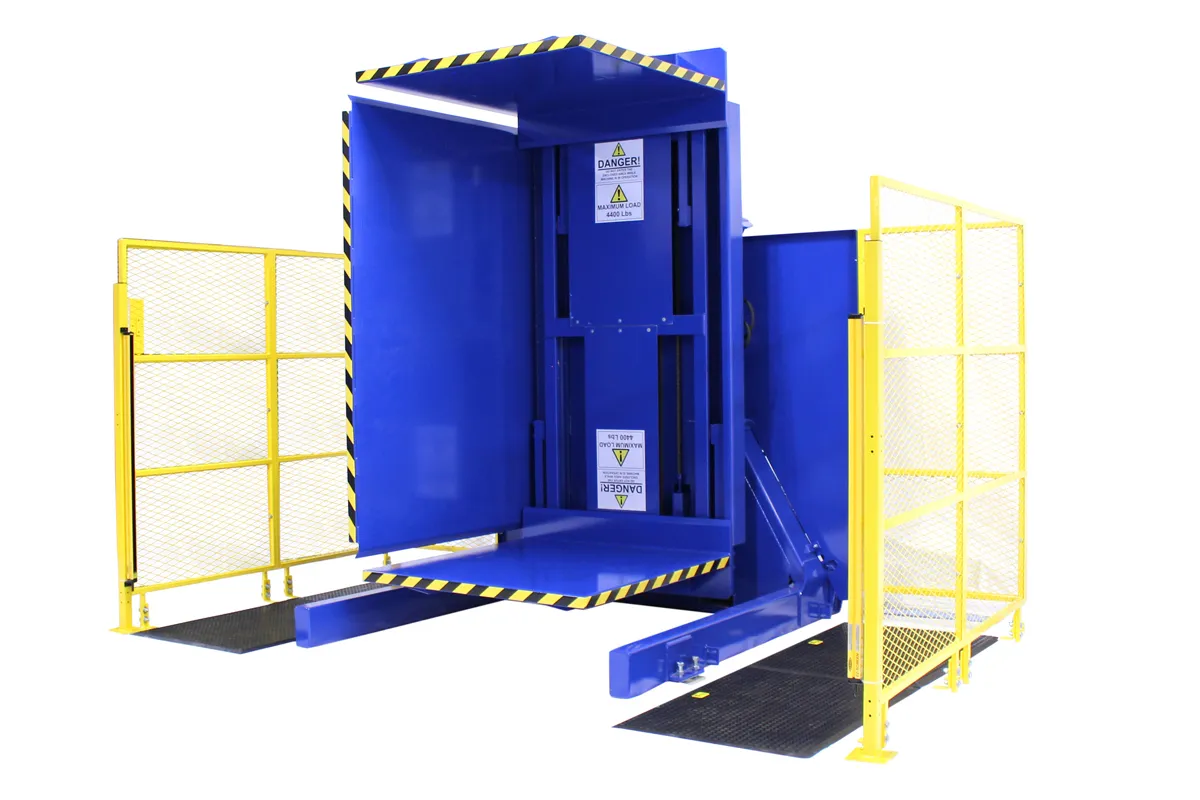
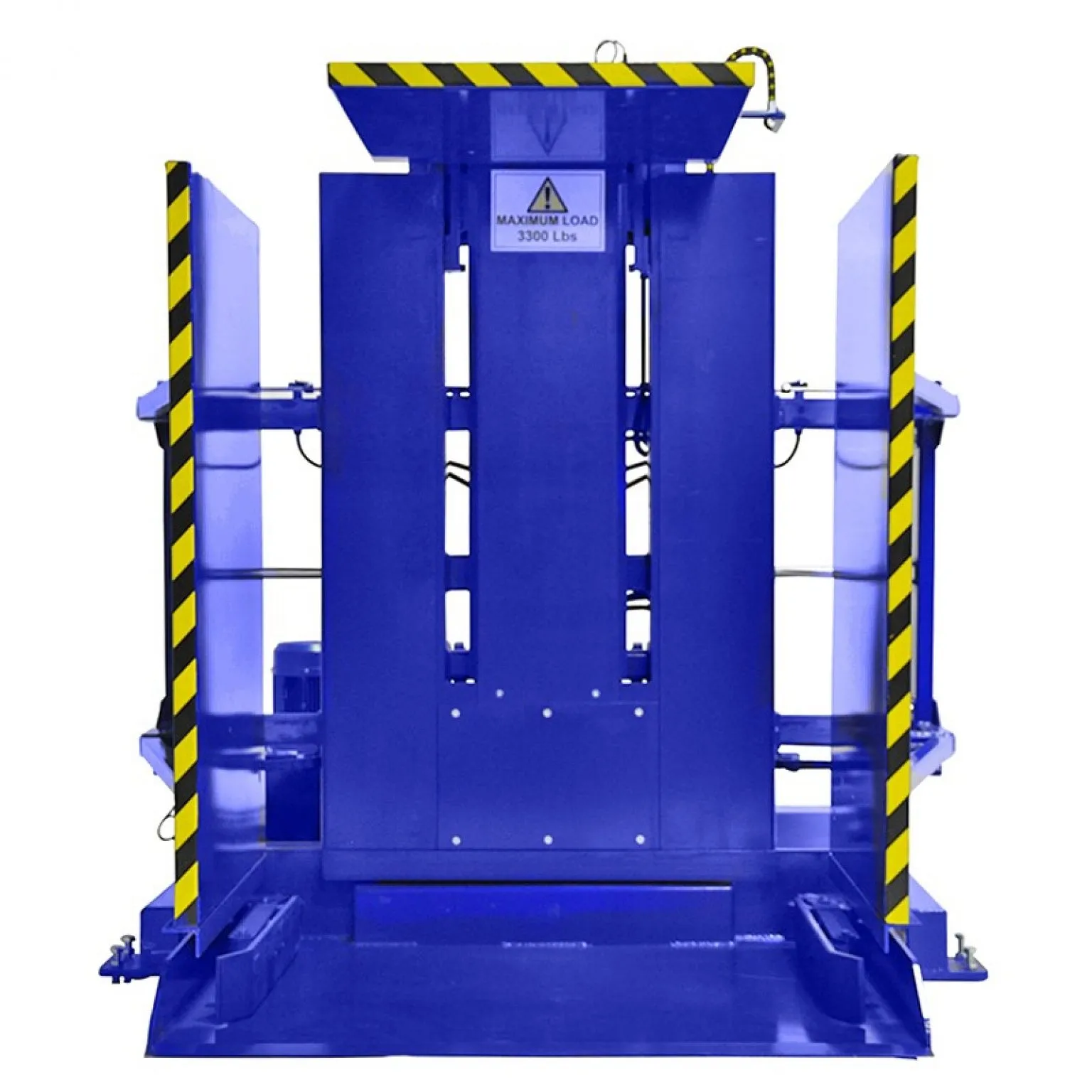
- Pallet inverters
- Load-transfer systems
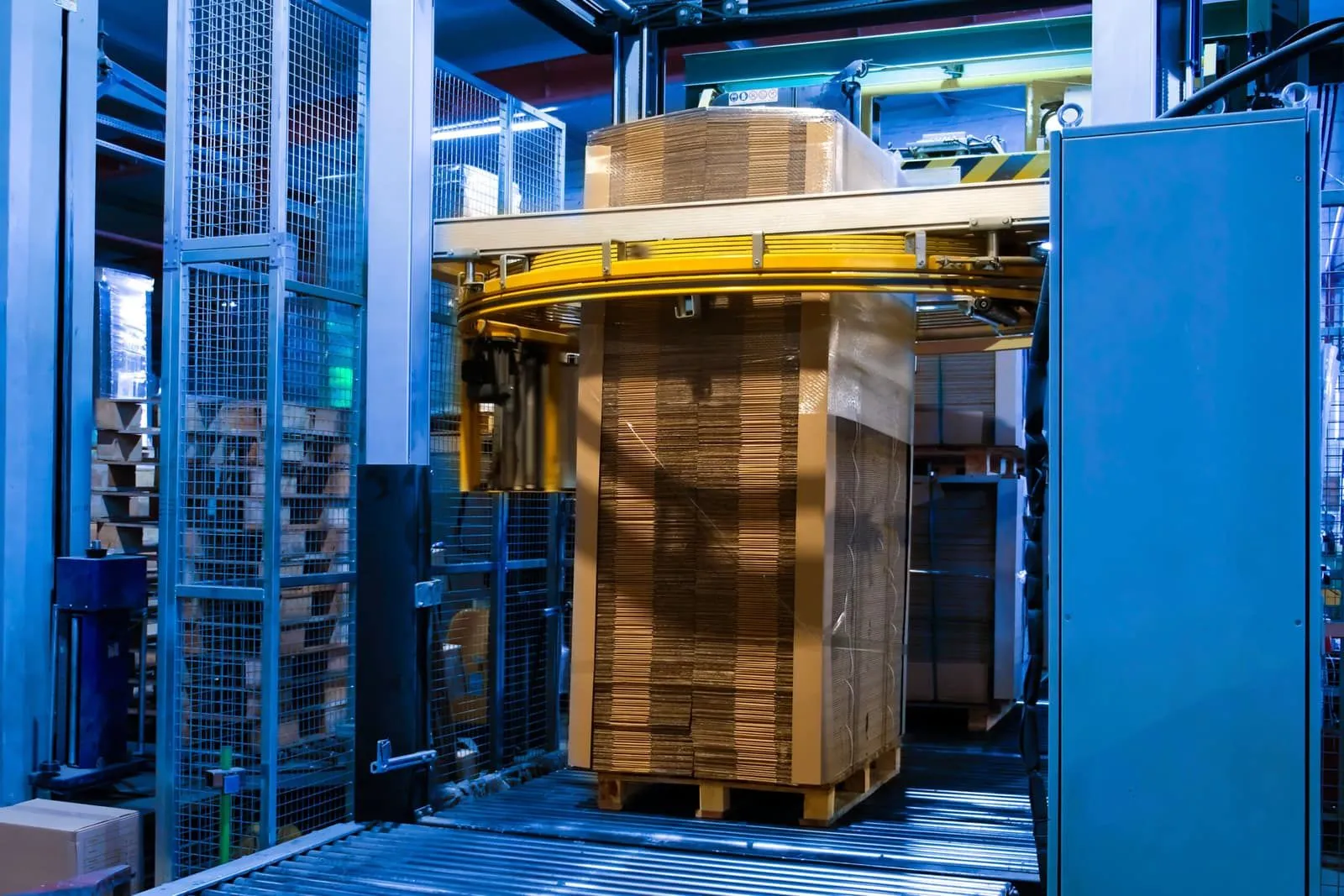
- Stretch wrappers
- Palletizers and pallets
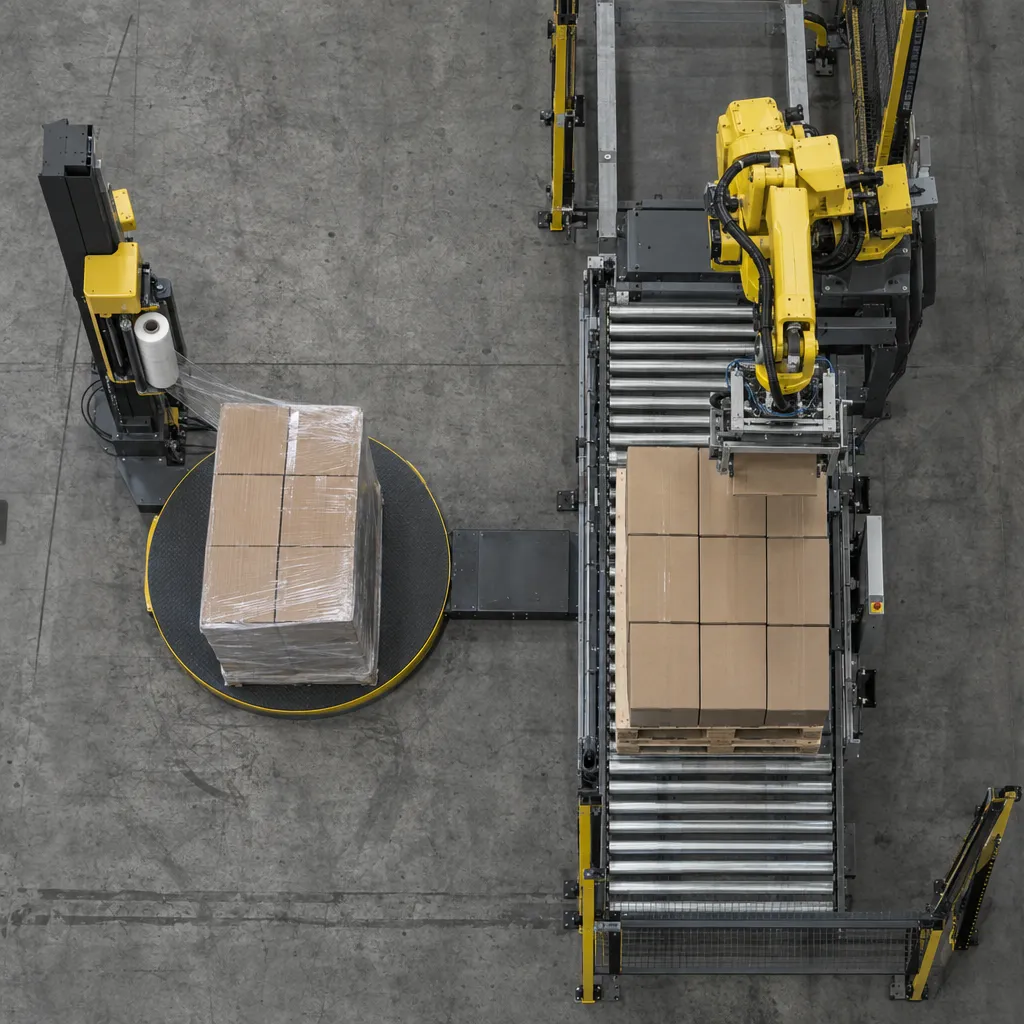
Everything After the Load Is Built
End-of-line is the equipment between a finished load and the dock: palletizing, pallet exchange, load transfer, stretch wrapping, labelling and the conveyor connecting them.
It has the least tolerance for downtime of anywhere in a facility, because it sits between production and shipping with nowhere to buffer. Production keeps making product, the dock keeps expecting trucks, and when wrapping or palletizing stops the floor fills within a shift.
Pallet Inverters & Load Transfer
Pallet inverters and load-transfer systems solve different handling problems. A pallet inverter rotates the load. A load-transfer system moves the load from one pallet or support surface to another, with pallet swap treated as part of that load-transfer process rather than a separate machine category.
The distinction decides which machine an application needs. Inverting is faster and simpler where the product can take it. Anything that cannot be turned over, because it is unstable, fragile, liquid or stacked loose, needs the transfer approach instead.
Stretch Wrapping
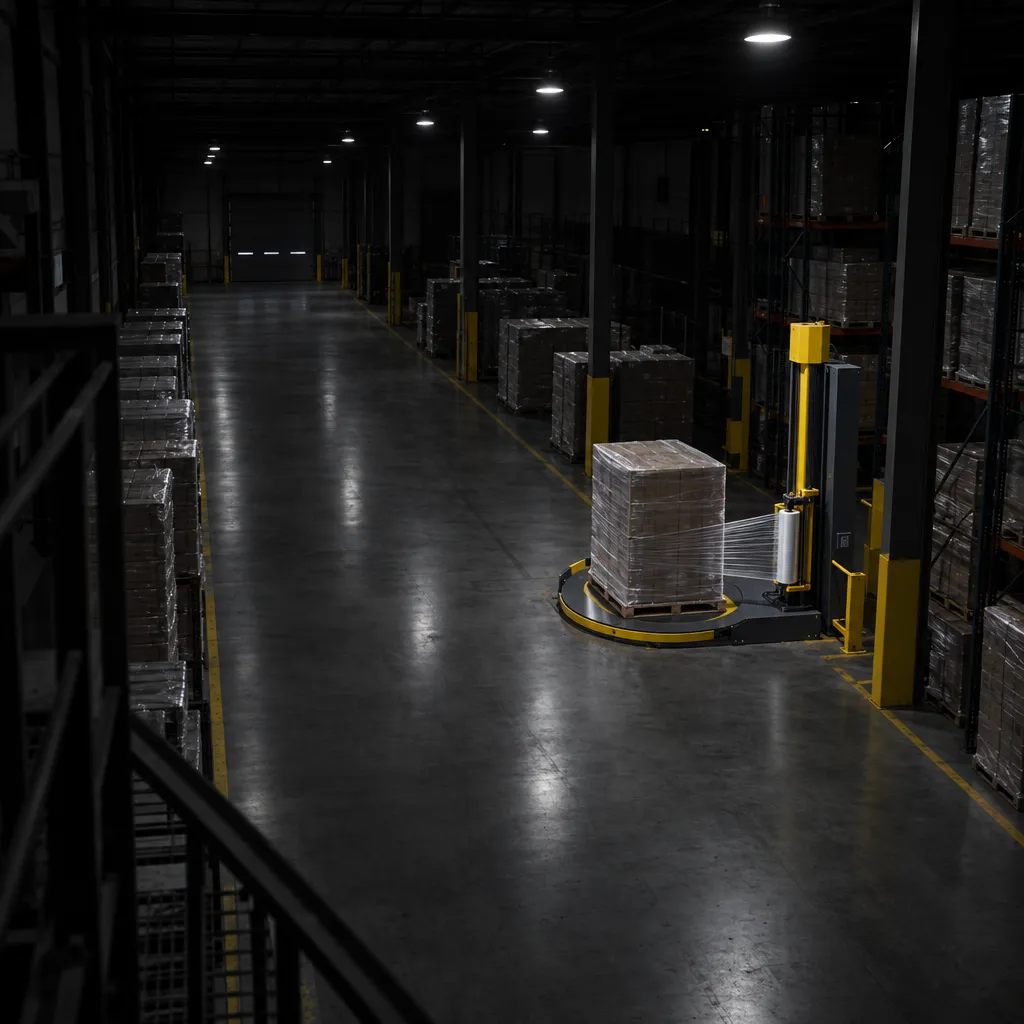
Stretch wrappers secure palletized loads before storage or shipment. Steel Square can support the surrounding mechanical, electrical, controls, guarding, startup and line-integration work required to make the wrapper function as part of the facility rather than as an isolated machine.
Wrap quality is a load-stability question rather than a cosmetic one. Under-wrap and loads shift in transit or collapse in racking. Over-wrap and film cost rises across every pallet shipped, which is a number worth knowing.
Pallets
Steel Square can supply both wood and plastic pallets. Wood pallets remain a practical fit for many operations. Plastic pallets can be a better fit where repeated handling and wear are the bigger concern because they generally hold up better over time. Where pallet type affects handling or flow, Steel Square can also evaluate the surrounding pallet-handling equipment and process.
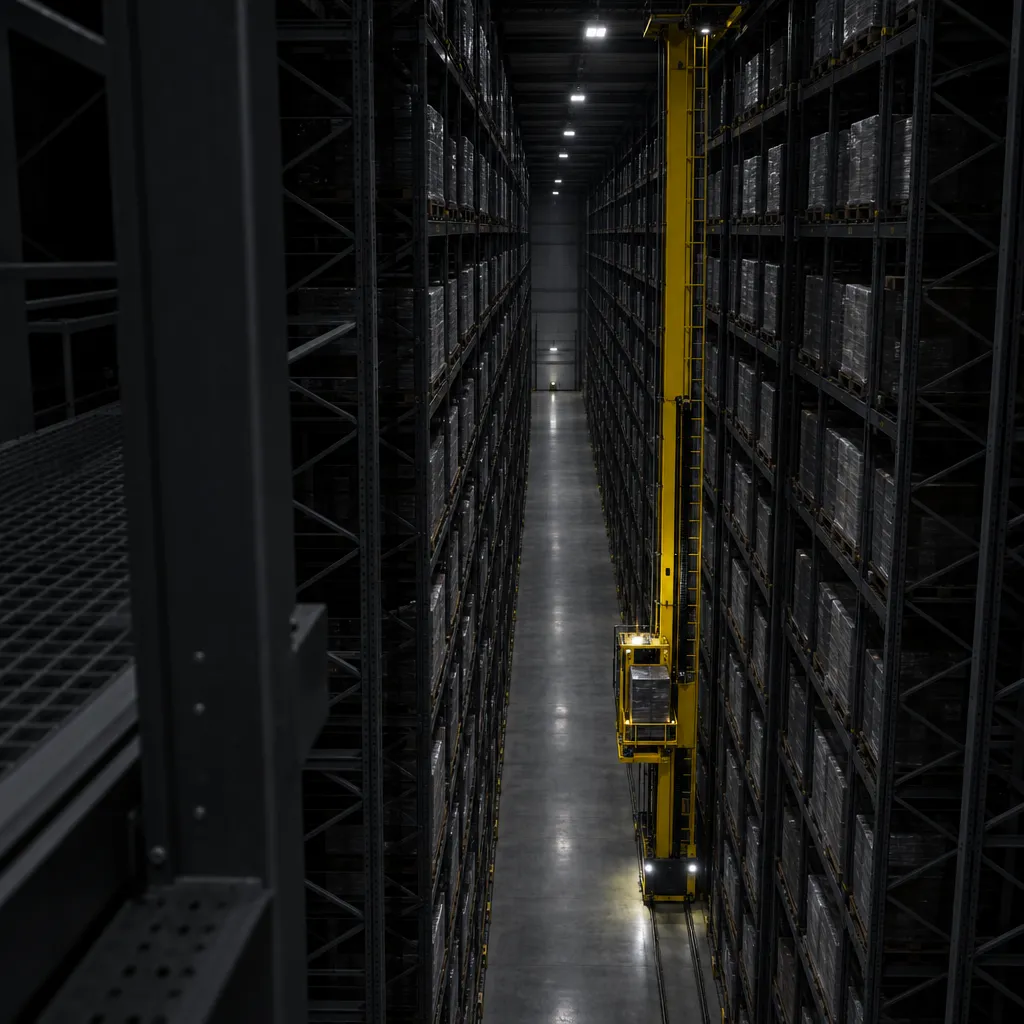
Pallet condition matters more in automated handling than in manual. A broken board that a forklift ignores will stop a conveyor or an ASRS infeed.
Service & Maintenance
Steel Square can support pallet-handling equipment through repair, preventive maintenance, controls work, parts, integration and modernization where those services fit the machine and application.
Project Experience
At Walgreens Anderson, Steel Square scope includes a pallet inverter, load-transfer system and Octopus C-Series stretch wrapper. Novo Nordisk can also be referenced for documented preventive maintenance on a pallet inverter.
Equipment & subtypes
Project Execution for This System
Service & support
- Repair & TroubleshootingTroubleshoot the failure across trades and perform the corrective work.
- Preventive MaintenanceInspection, service and lifecycle work planned around production.
- Equipment & Parts SupplySourcing equipment and hard-to-find parts for installed systems.
- Modernization & RetrofitsModernize aging equipment and controls instead of replacing outright.
Industries Where This System Runs
- 3PL & DistributionKeep receiving, storage, picking, pallet handling and shipping moving through equipment integration, controls, service and material-flow improvements.
- Retail / Pharmacy DistributionSupport storage, picking, pallet handling, controls, ASRS and material movement in high-volume distribution operations.
- PharmaceuticalSupport equipment reliability, pallet handling, controls, maintenance and industrial integration inside demanding production environments.
- Cold Storage & Food LogisticsSupport material handling, conveyors, controls, parts and maintenance where cold operating conditions increase equipment and service demands.
Related technology
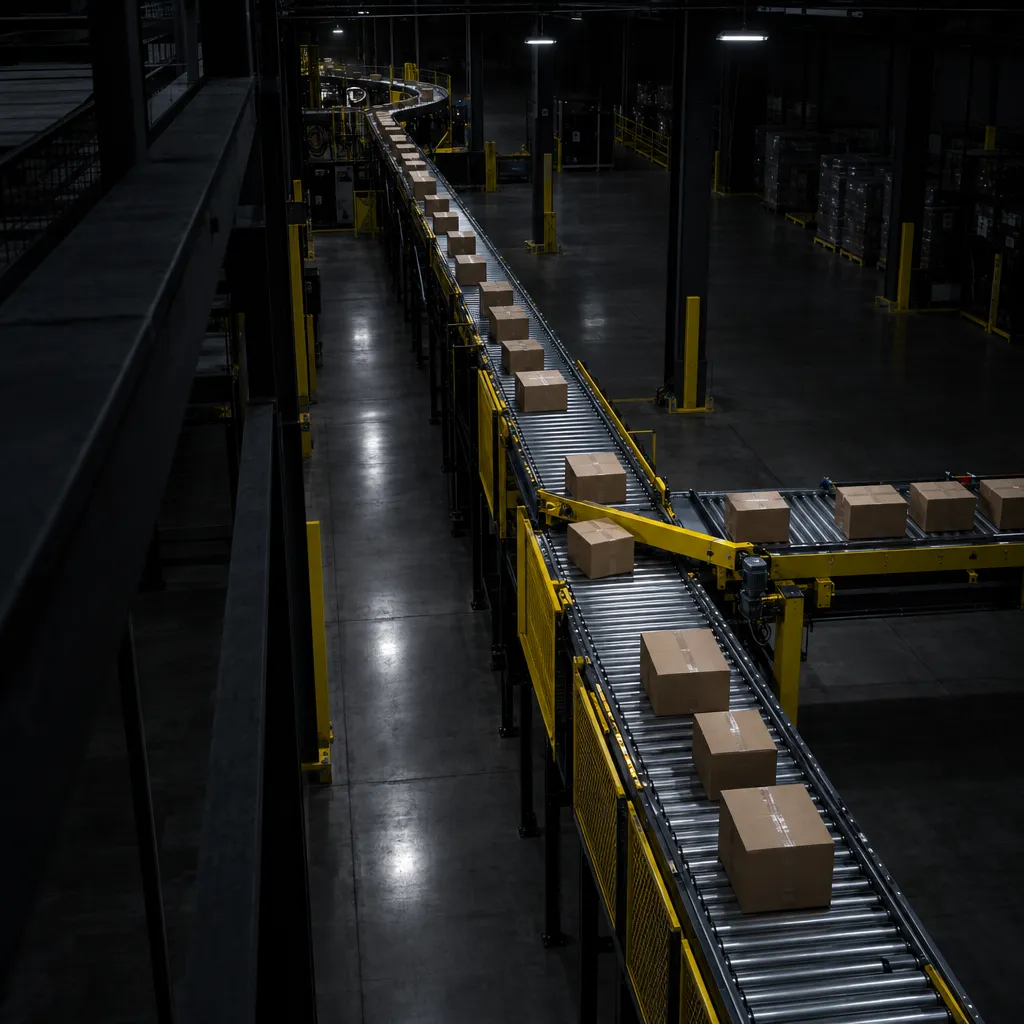
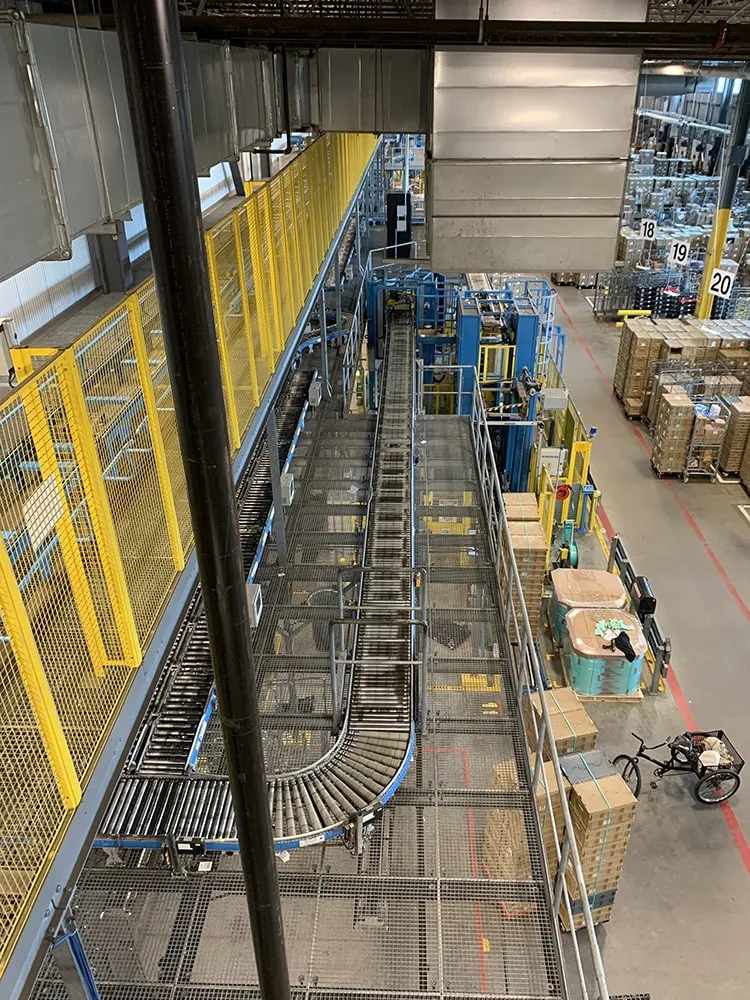 Conveyor & Material FlowEquipment, controls and process improvements for moving cases, totes, carts and pallets through the facility.
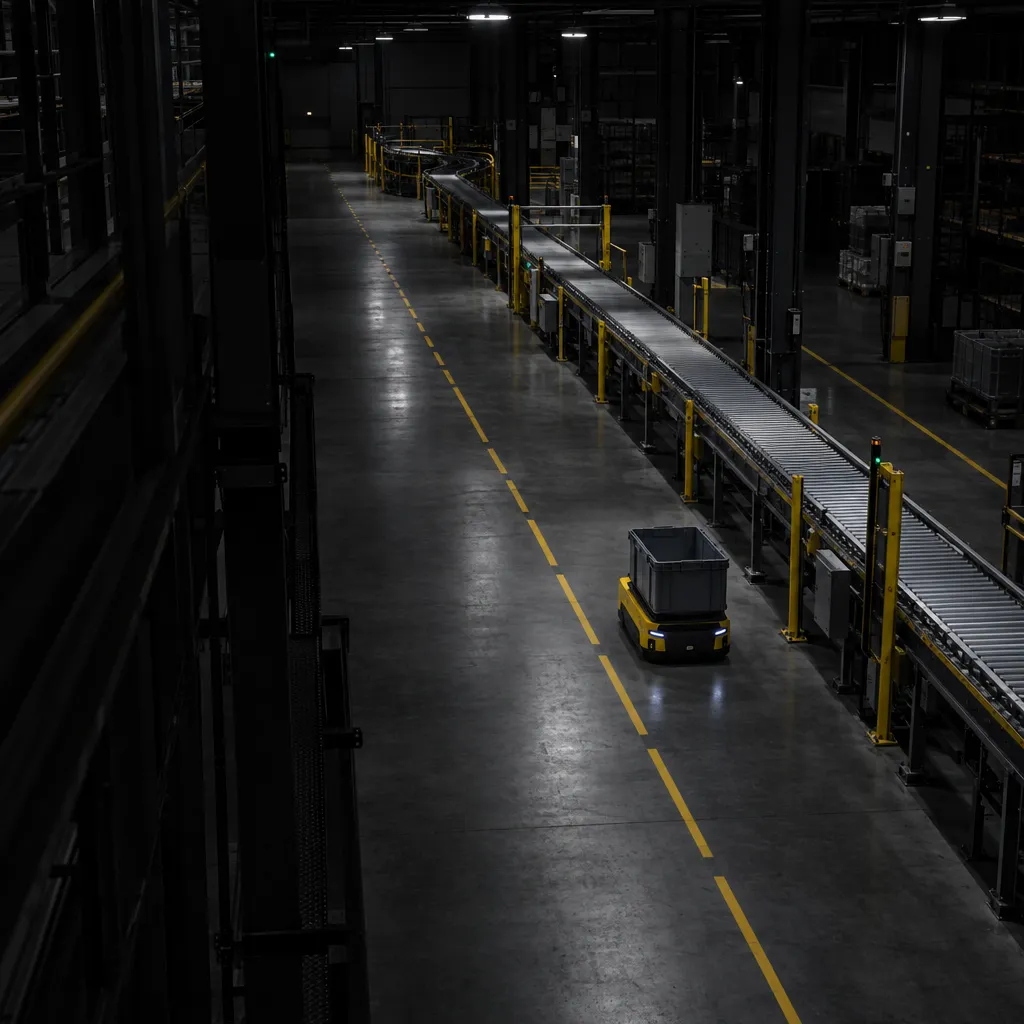
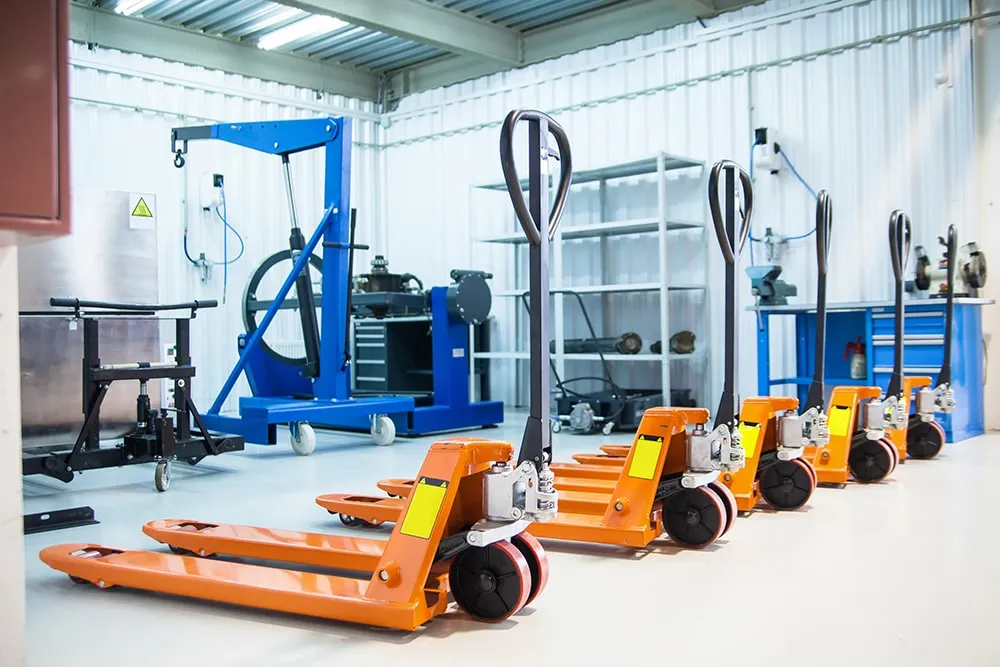 Robotics, Sortation & AGV/AMRAutomated handling, mobile automation and sortation integrated into the operation around them.
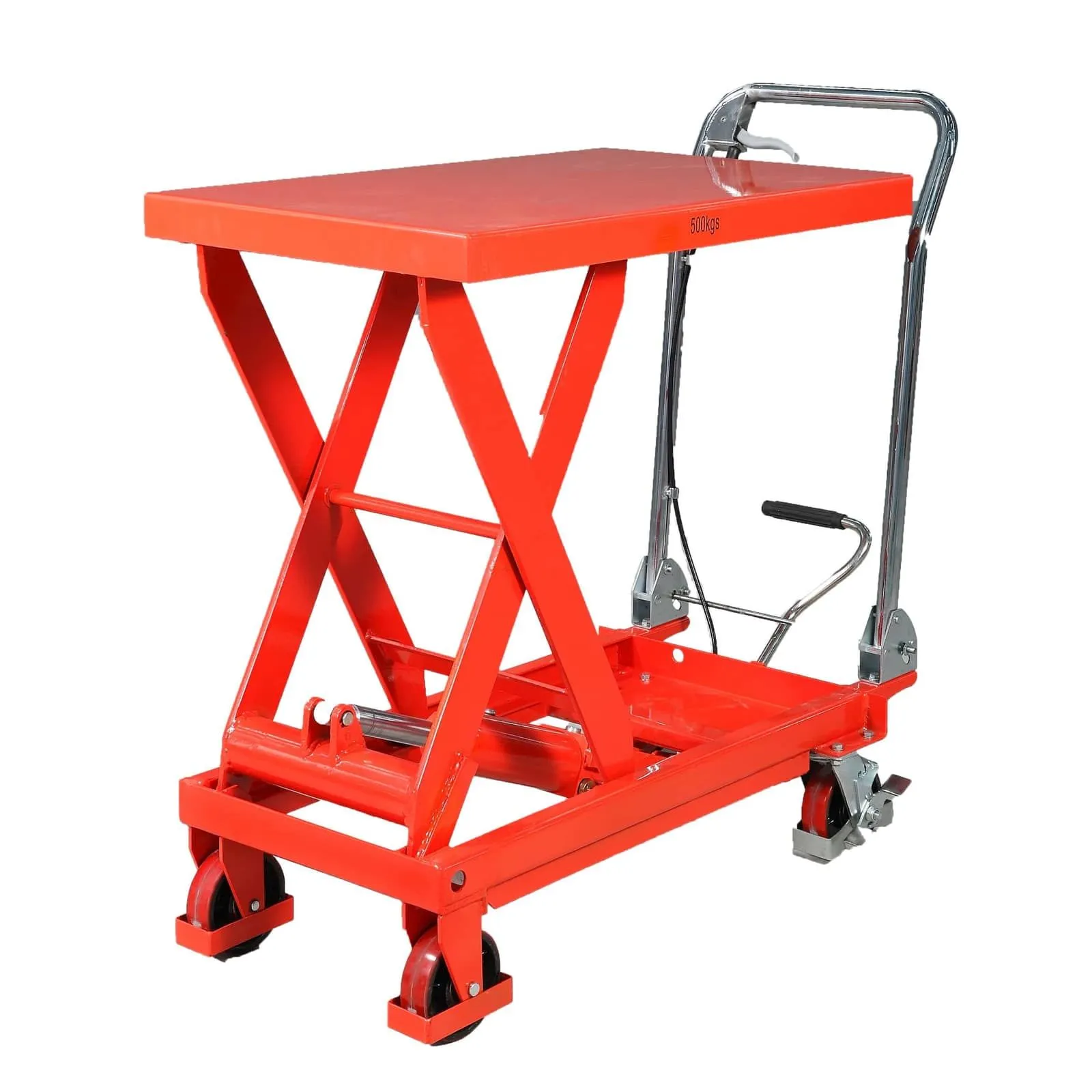 Industrial Controls & ElectricalPLC, HMI, panels, sensors, electrical integration, troubleshooting and modernization.
FAQ
Buyer FAQ
Is a pallet inverter the same as a load-transfer system?
No. They are separate machines. A pallet inverter rotates the load, while a load-transfer system moves the load from one pallet or support surface to another. Pallet swap is part of the load-transfer process.
Does Steel Square supply pallets?
Yes. Steel Square can supply both wood and plastic pallets for industrial and distribution operations.
Why choose plastic pallets?
Plastic pallets can be a better fit when repeated handling and wear are a major concern because they generally hold up better over time. The right choice still depends on the actual facility and use case.
Next step
Talk to Steel Square About Pallet Handling & End-of-Line
Discuss a defined project, or ask for a facility audit for a broader look at the operation.