
Project Execution
Equipment, Line & Facility Relocation
Steel Square can plan and execute the decommissioning, moving, rigging, reinstallation, controls reconnection and restart work involved in moving industrial equipment, production lines or a larger facility operation.
The trigger
Line & Facility Relocation Scope
- Equipment, a line or a facility has to be moved
- A machine needs decommissioning and rigging
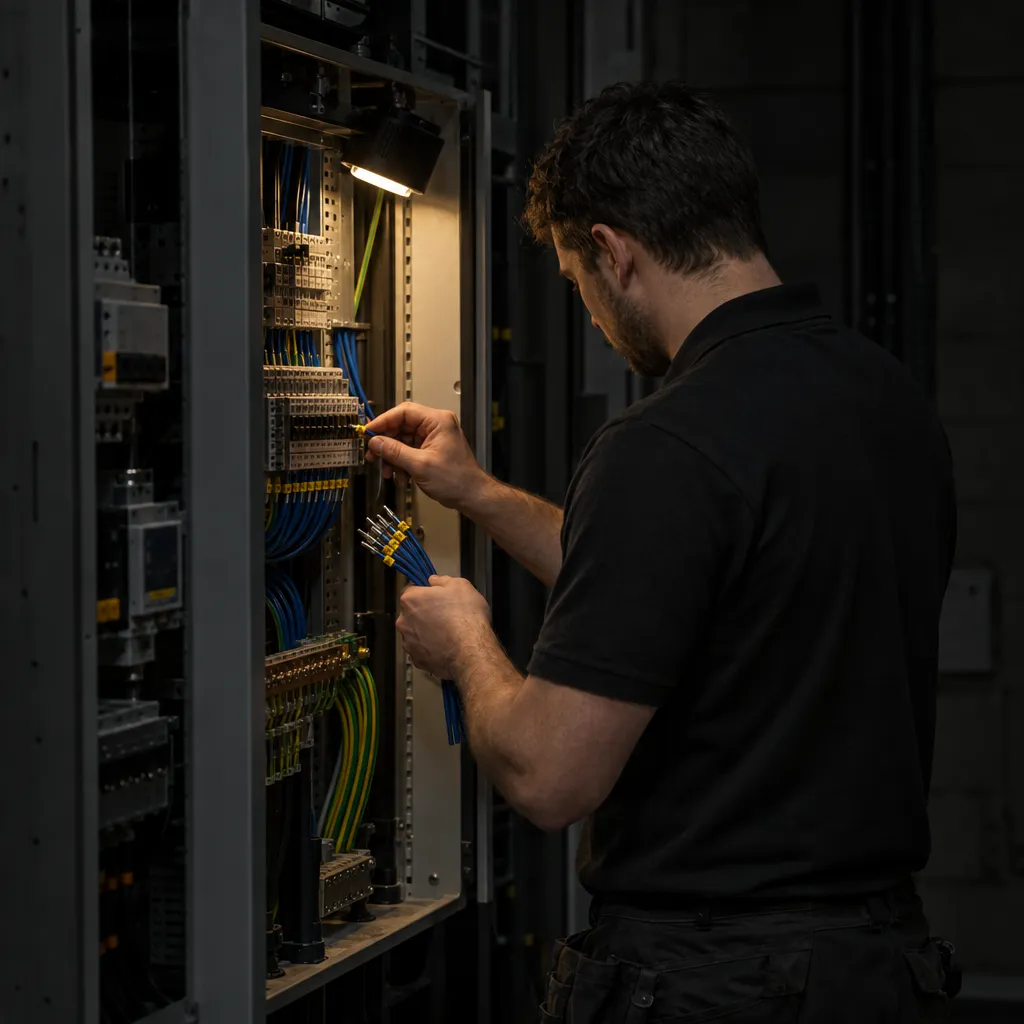
- Controls and services have to be reconnected
- A move has to end in a working restart
What a Relocation Actually Is
A relocation is not a move. It is a shutdown, a move and a startup, and the middle part is usually the least risky of the three.
The measure of the job is not whether the equipment arrived. It is how long the line takes to make good product again at the other end, and almost everything that determines that number is decided before anything is unbolted.
Four Scales of Move
The trade is the same at every scale. What changes is how much planning sits in front of it.
A single machine moved inside one building is the smallest version, though it still involves disconnection, a lift, a set and a re-alignment.
A line rearranged within a plant is harder than it looks, because a line is a set of relationships rather than a set of machines. Conveyor elevations, transfer points, guarding clearances and panel locations all have to land where they were relative to each other, on a floor that is not the floor they were surveyed on.
A plant-to-plant relocation adds transport, permits, staging and a receiving site that has to be ready before the first truck arrives.
A complete facility relocation is all of the above with a schedule that has to be sequenced so the last machine out is the first one that can be missed, and the first machine in is the one everything else depends on.
Machinery Mapping & the As-Found Record
Mapping is the part of a relocation that decides how the reassembly goes, and it happens while the equipment is still running.
It means match-marking mating parts so they go back the way they came apart, tagging every cable and line to the terminal it left, photographing as-found condition and routing, and recording shim stacks, alignment readings and elevations before they are disturbed. Without that record, a reassembly becomes a re-engineering job, and the schedule written for the first one does not survive the second.
Decommissioning
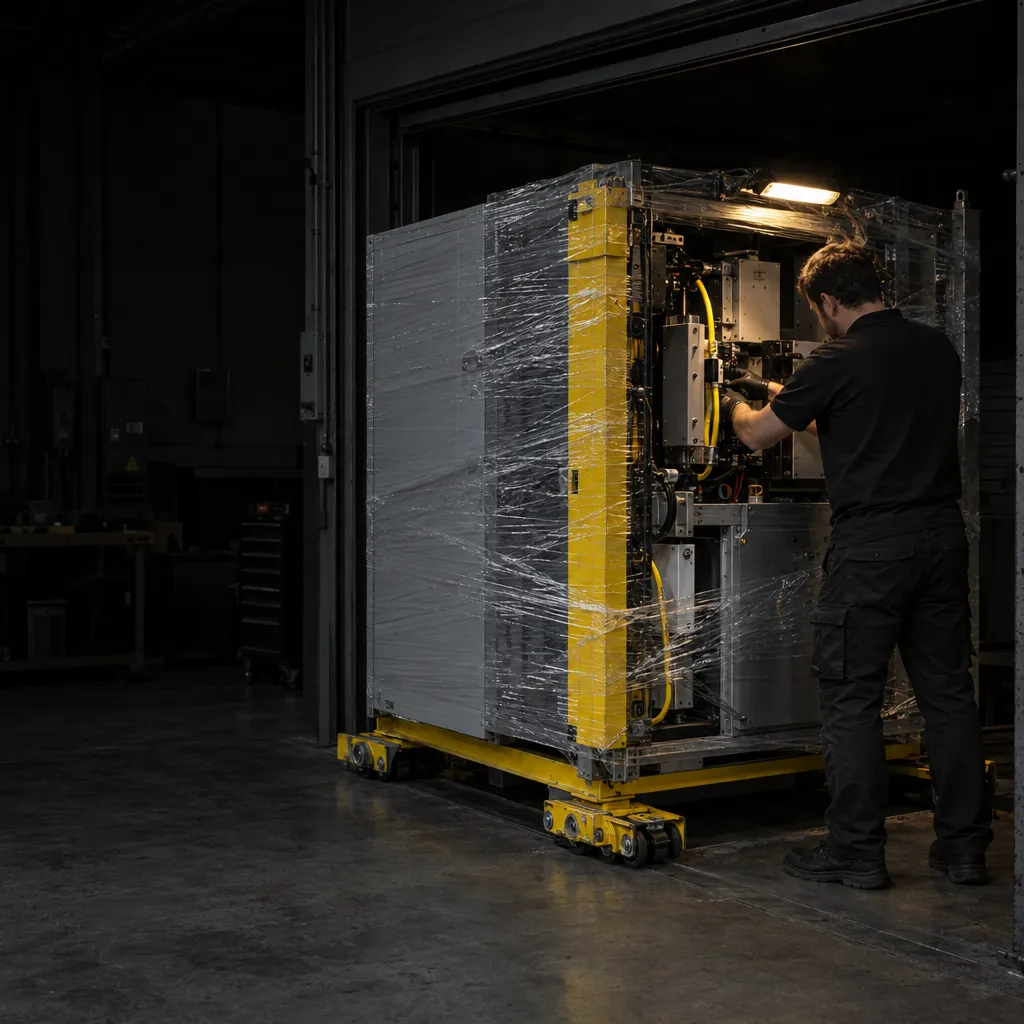
Decommissioning is where the shutdown clock starts. It covers lockout and isolation, draining and capping hydraulics, pneumatics and process lines, disconnecting electrical and controls back to a defined point, and breaking the equipment down into sections that can be handled and transported.
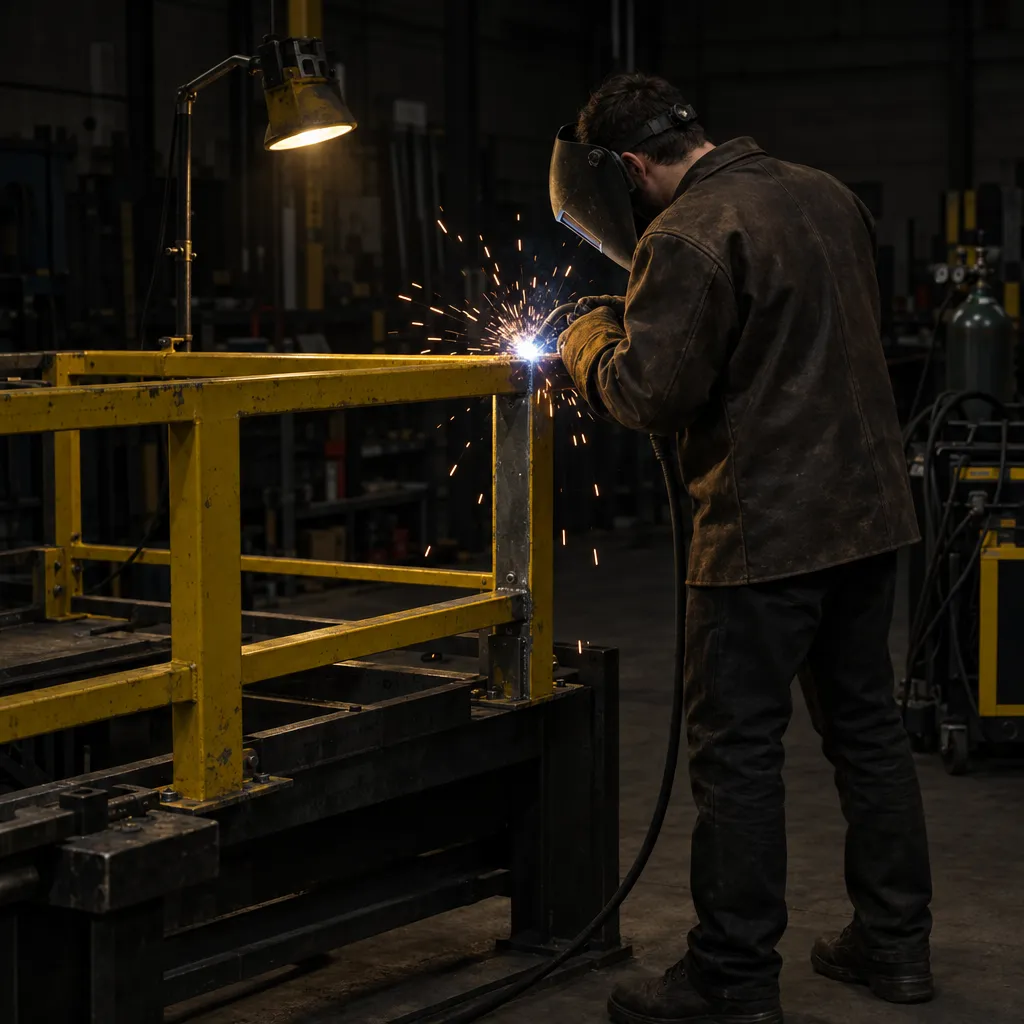
It also covers what is not moving. Demolition and scrap removal of obsolete equipment, redundant structure and abandoned services is part of clearing a floor, and deciding early what stays behind usually shortens the move more than any other decision.
Why Equipment That Ran Before a Move Fails After One
The risk in a relocation is the restart, and the reason is that the machine is the only thing that stayed the same.
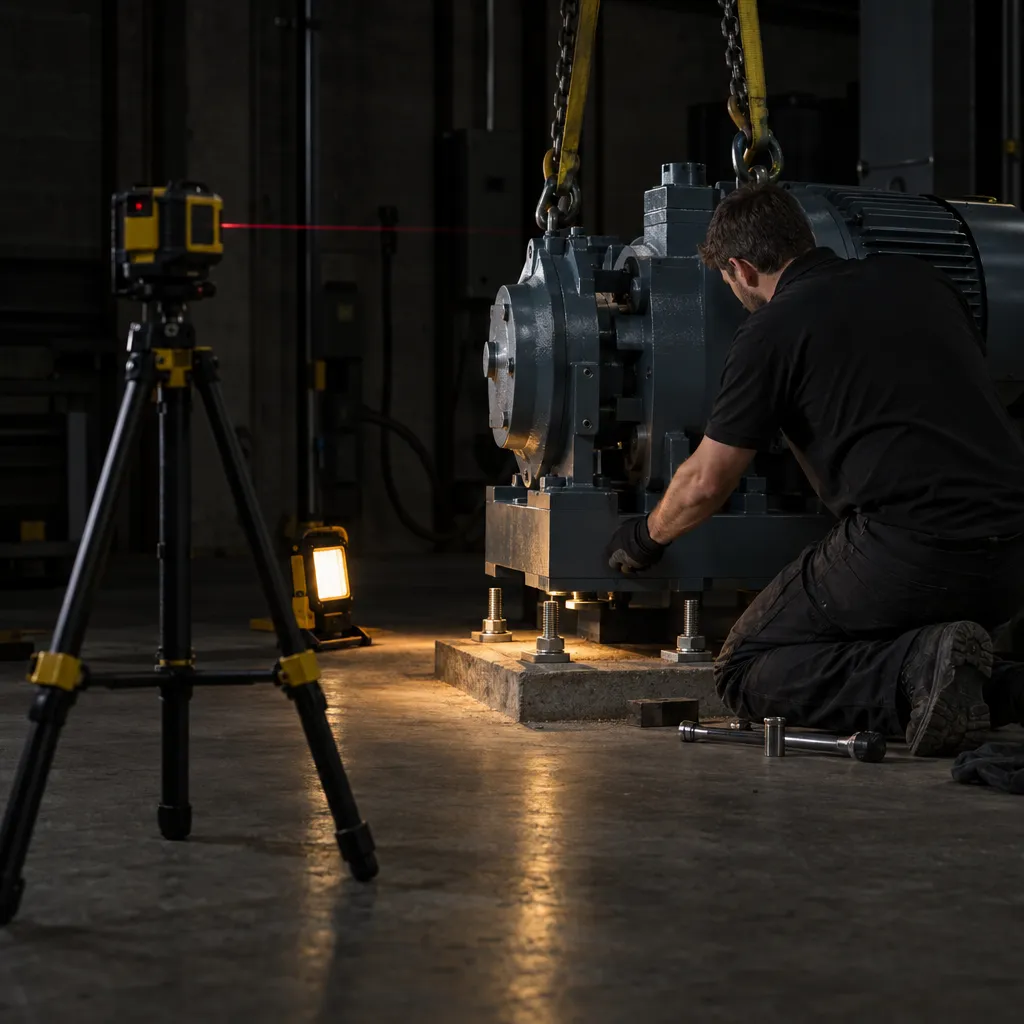
The new floor has a different flatness and a different slab thickness, so leveling and anchoring have to be established again rather than reproduced. Utilities differ between buildings in supply voltage, available air pressure and water quality. Alignment that was correct on the old foundation has to be re-established on the new one and rechecked after the equipment has run and reached temperature. Controls come back onto a plant network with different addressing, and safety circuits have to be proven again rather than assumed.
None of that is unusual. All of it is work, and a relocation plan that budgets only for the move discovers it during startup, when the production clock is already running.
Steel Square Scope
Steel Square can take on pre-relocation planning and budgeting, plant commissioning and decommissioning, machinery matching and mapping, rigging, disassembly and removal, logistics, reassembly and scrap removal, for complete facility relocations anywhere in the United States.
That includes material handling and production line systems such as conveyors, palletizers, wrappers, sorters, stackers and inverters, overhead cranes, monorails and jib cranes, and specialized production equipment including knitting and stitch machinery.
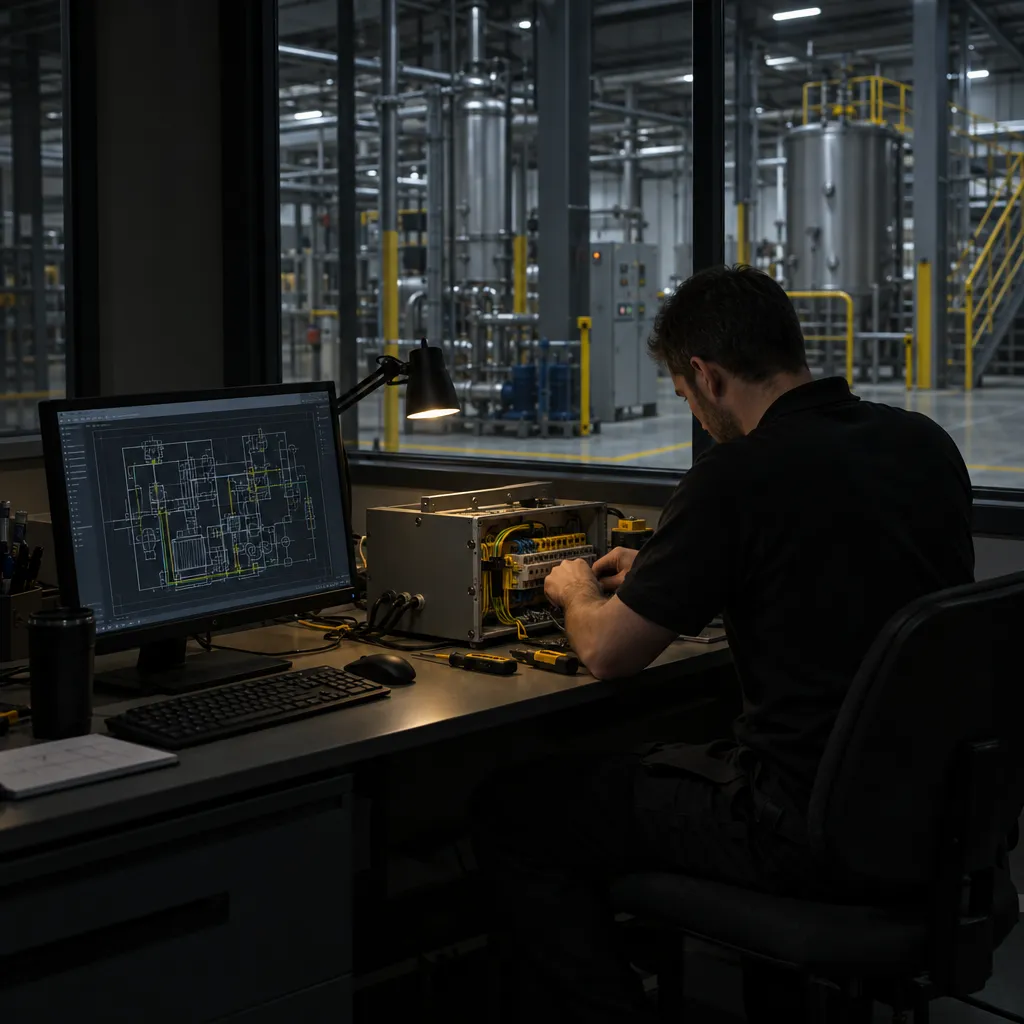
Relocation does not end when the machine is set down. Steel Square can reconnect mechanical, electrical and controls systems, make required modifications and support commissioning and startup.
Systems Covered by This Discipline
- Conveyor & Material FlowEquipment, controls and process improvements for moving cases, totes, carts and pallets through the facility.
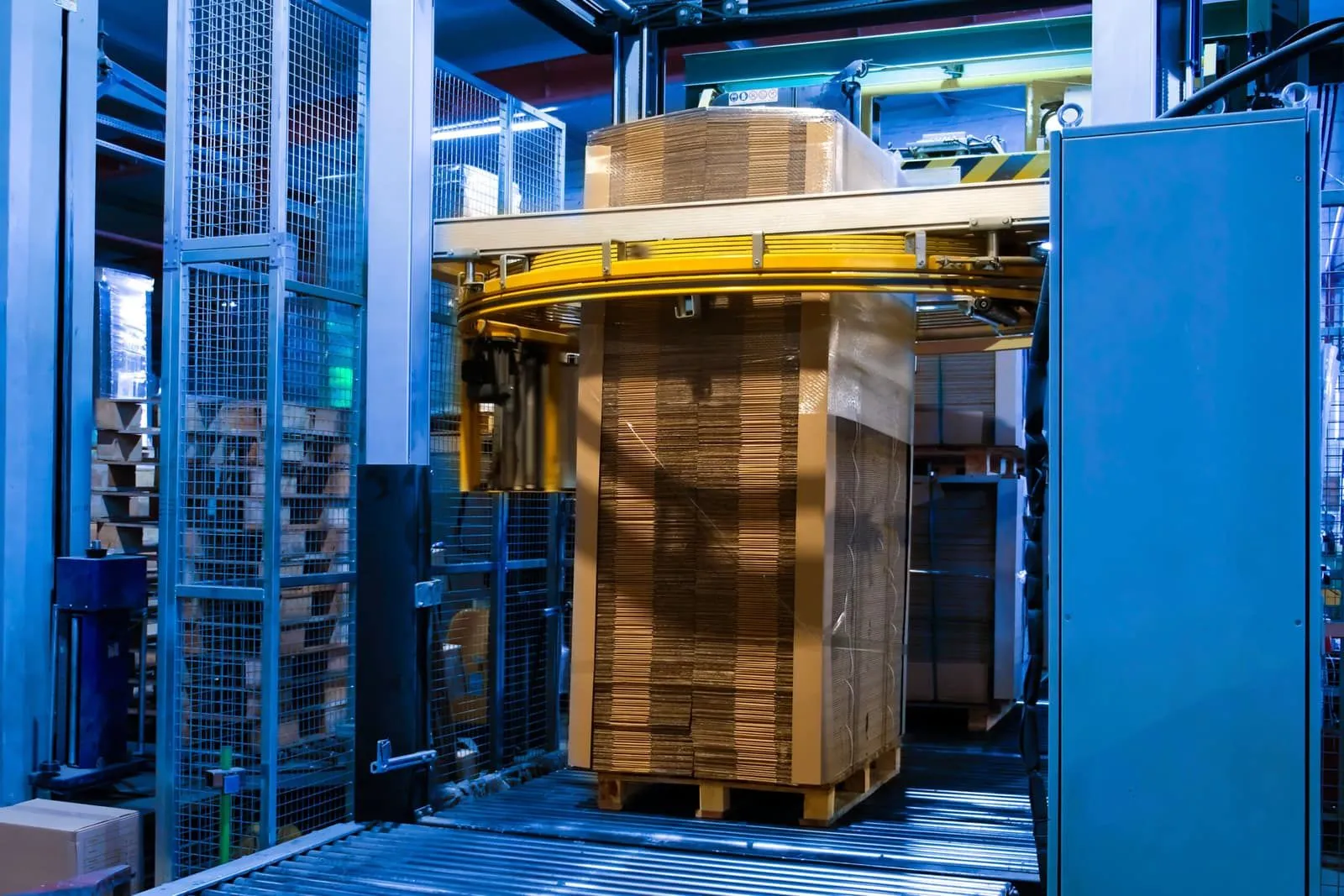
- Pallet Handling & End-of-LinePallet inverters, load transfer, stretch wrapping, palletizing and connected end-of-line equipment.
- ASRS & Automated StorageIntegration, repair, retrofit, controls and lifecycle support for automated storage systems.
Connected disciplines
Equipment Integrated
- AGV & AMR fleets
- Accumulation conveyor
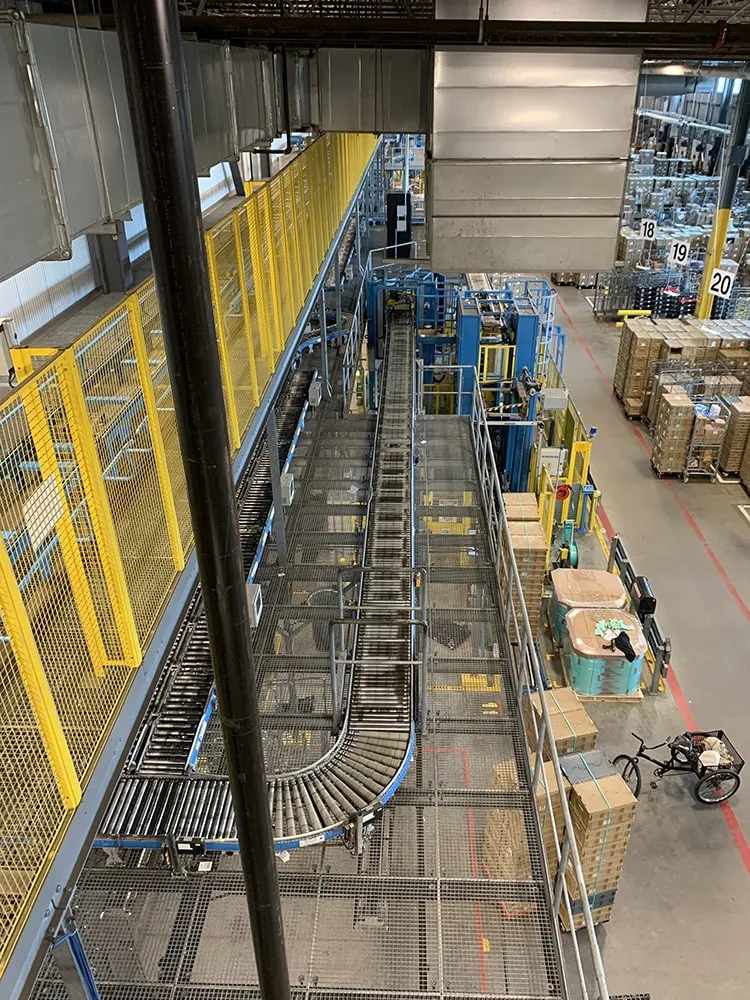
- ASRS cranes
- Automated picking & dispensing
- Bearings & rollers
- Bollards & barriers
- Cable carriers
- Carousels
- Cart-loading & carriage systems
- Conveyor systems
- Diverters & mergers
- Dock & material flow
- Dumpers & tippers
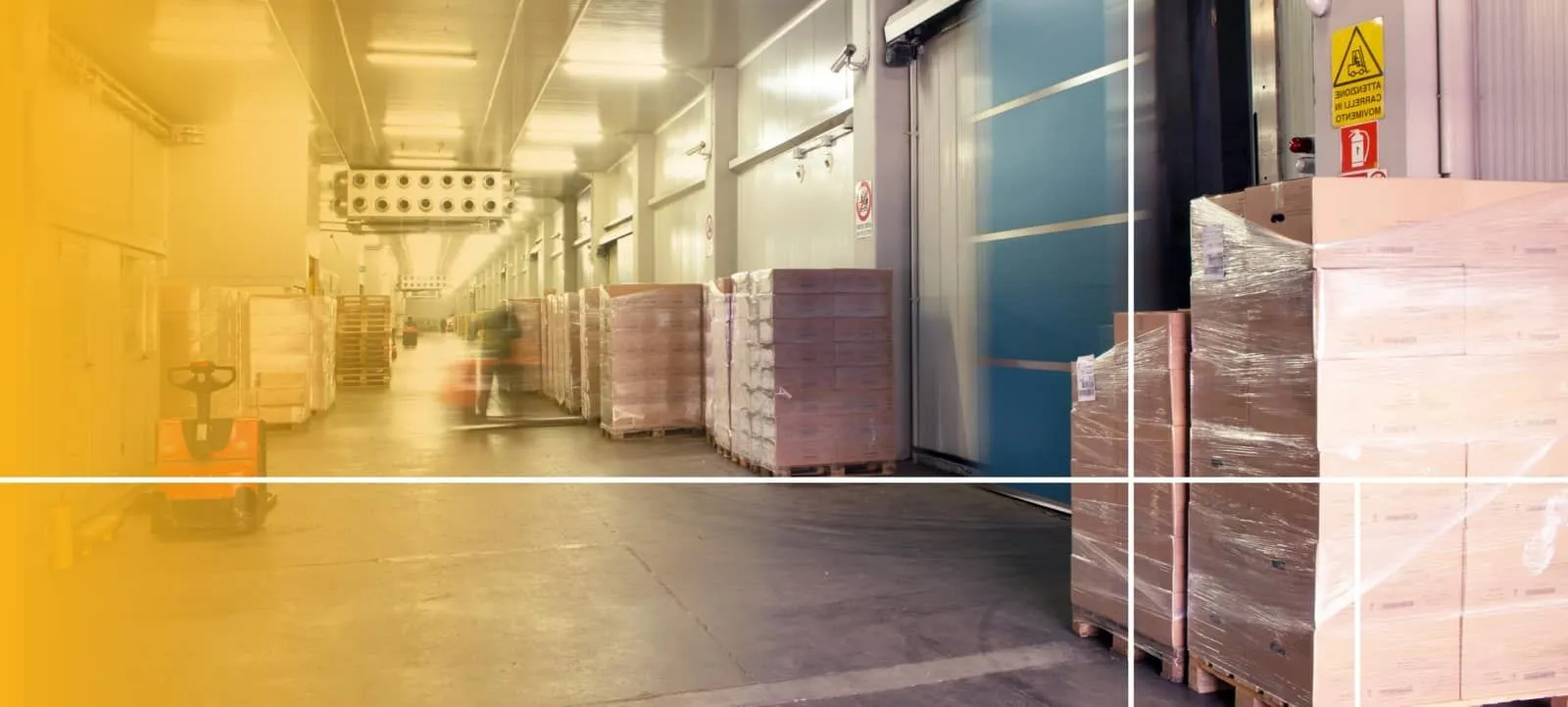
- Freezer spacers
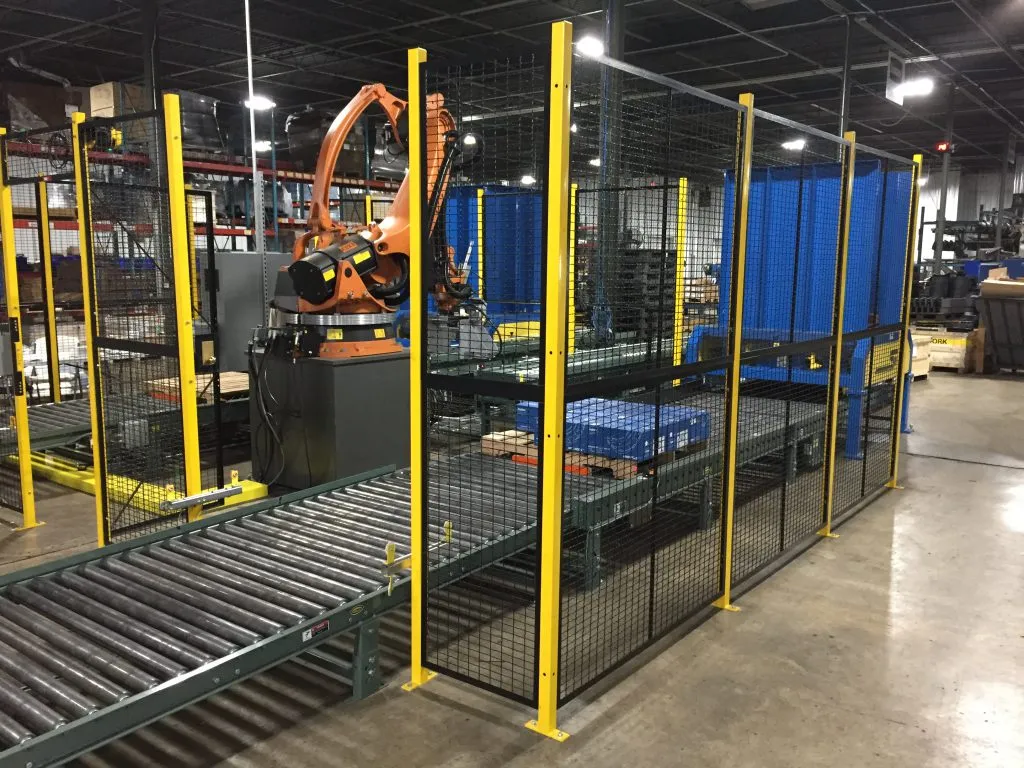
- Guarding & fencing
- HMI & operator interfaces
- Industrial control panels
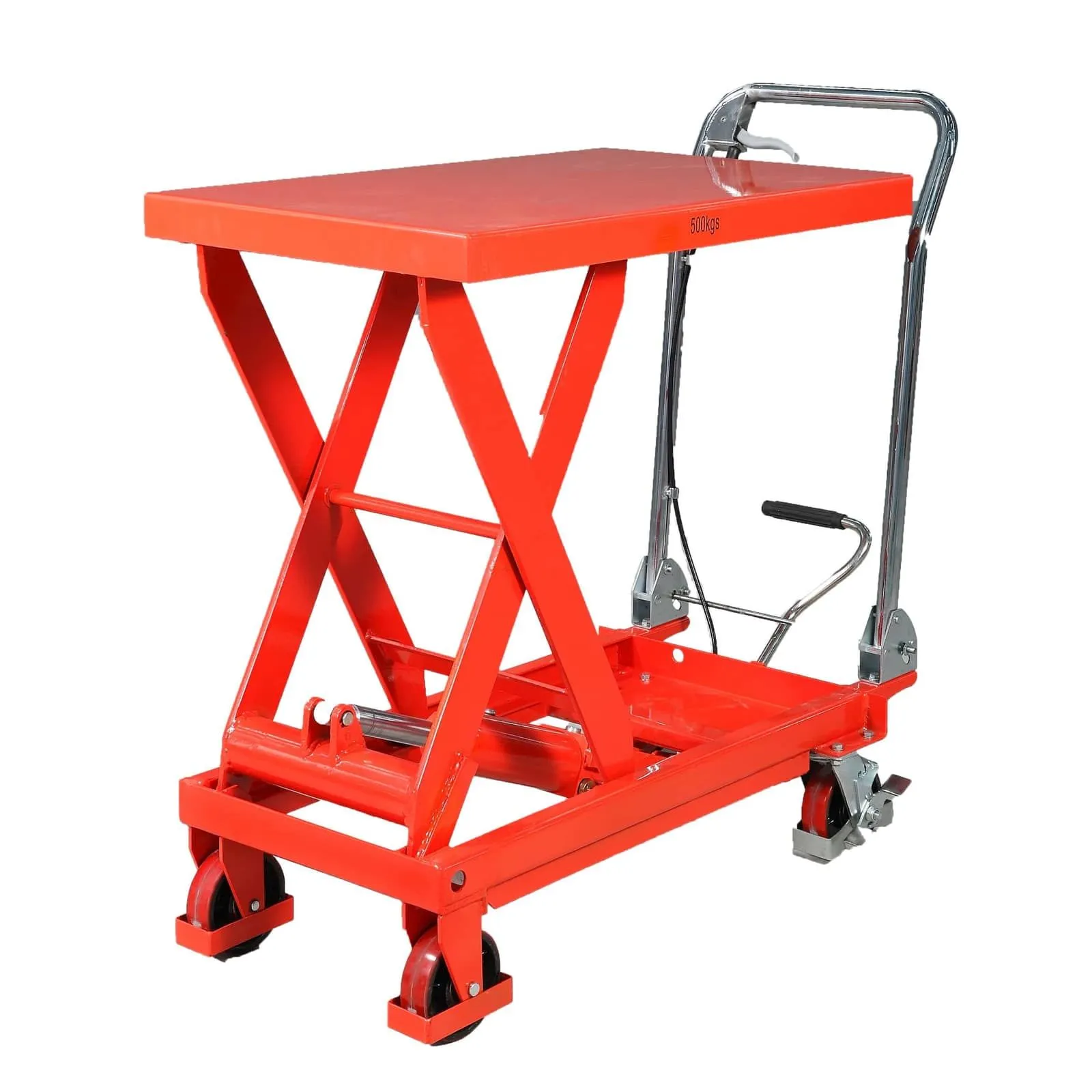
- Lift tables
- Load transfer systems
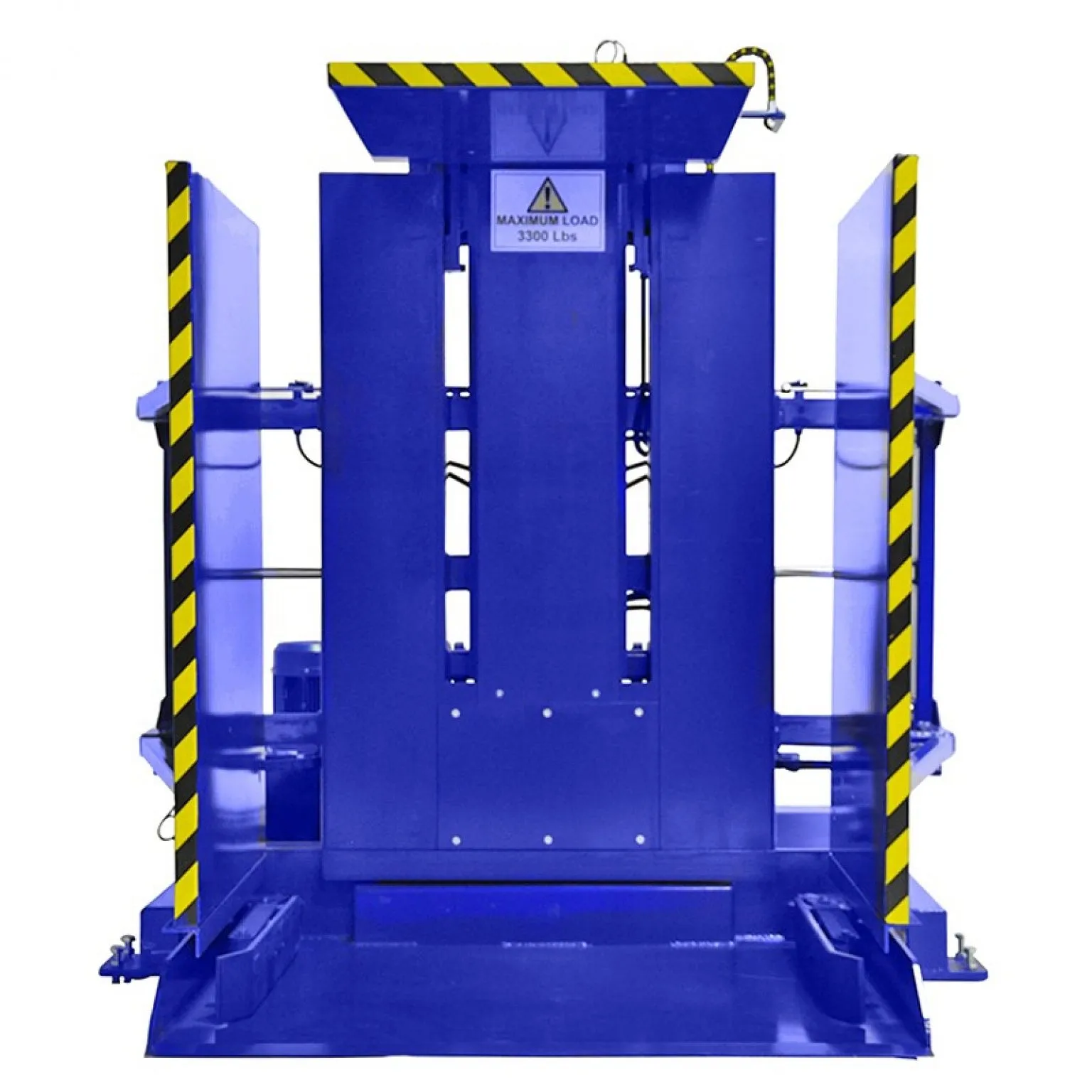
- Mezzanines & platforms
- Mini-load ASRS & AKL
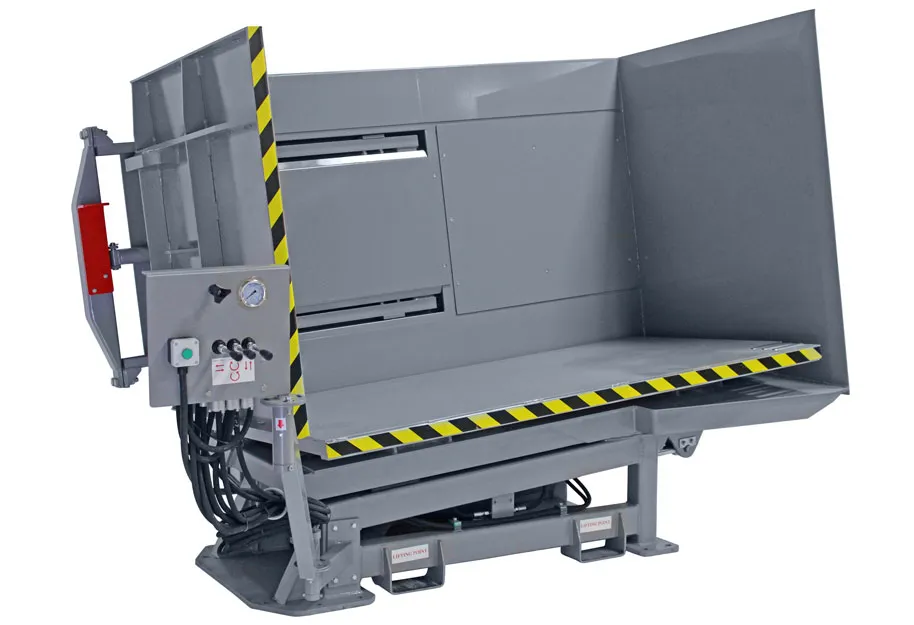
- Pallet changers
- Pallet dispensers
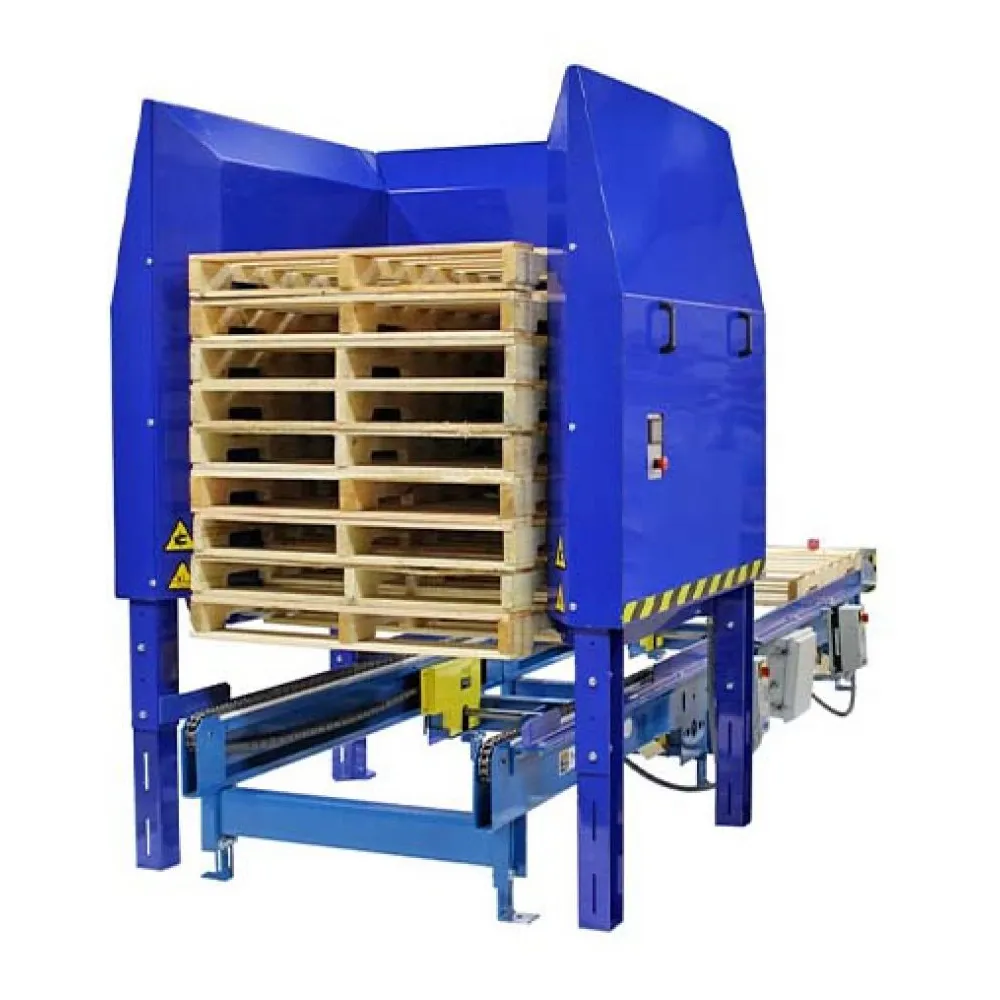
- Pallet inverters
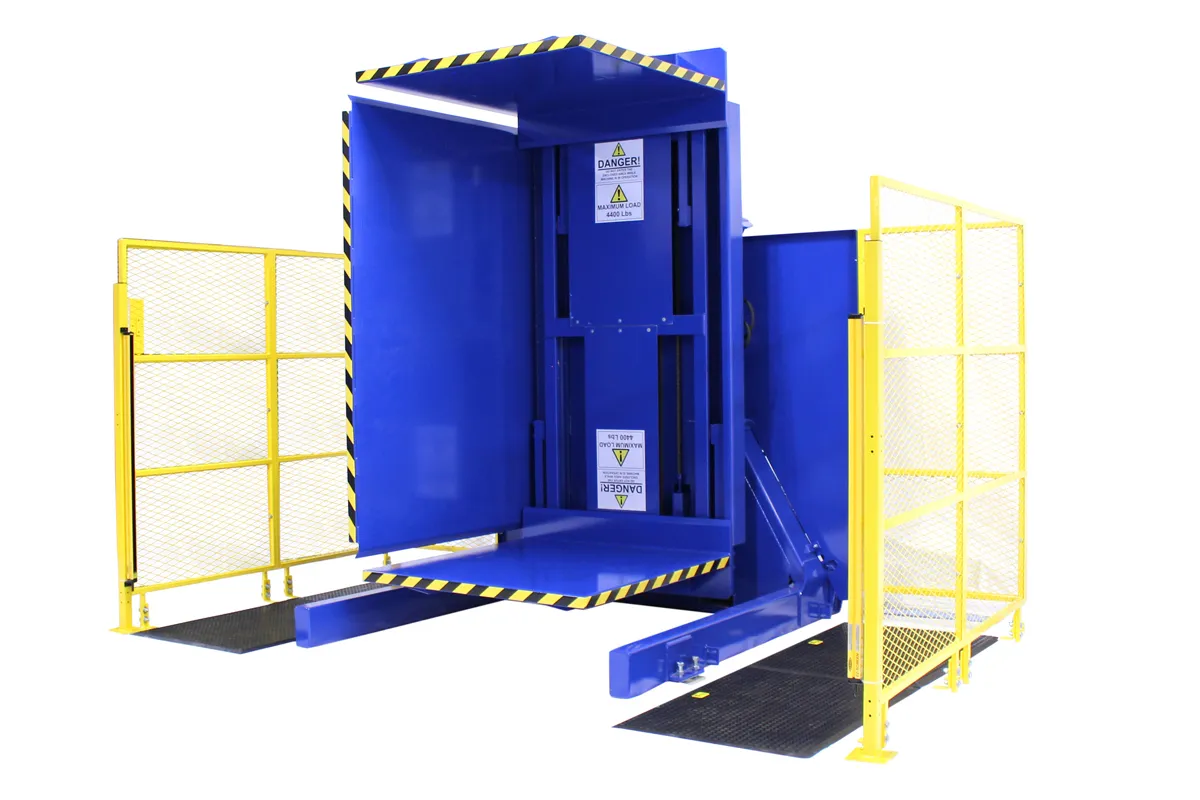
- Pallet stackers
- Pallet straighteners
- Palletizers & depalletizers
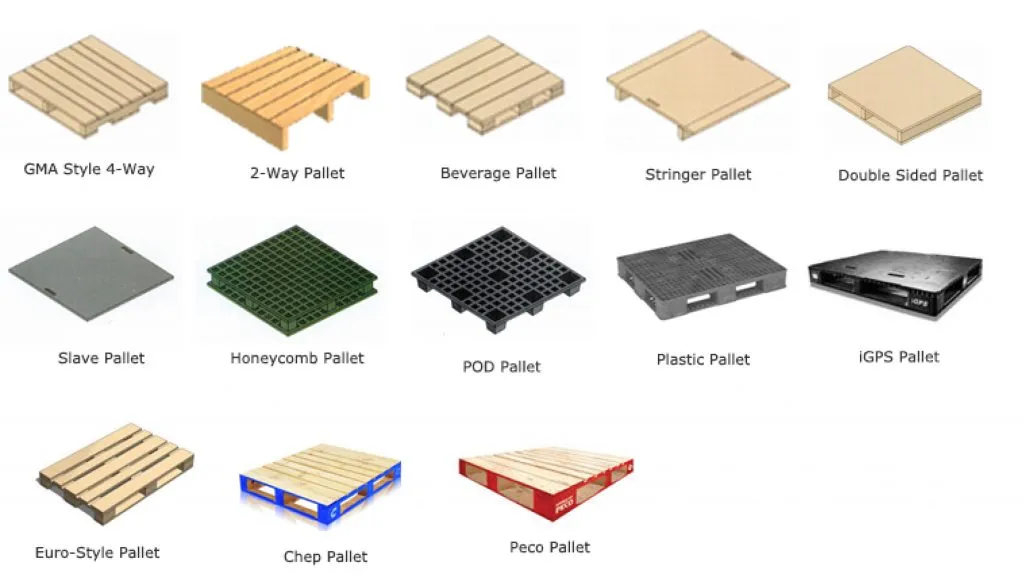
- Pallets, wood & plastic
- PLC & controls hardware
- Pneumatic components
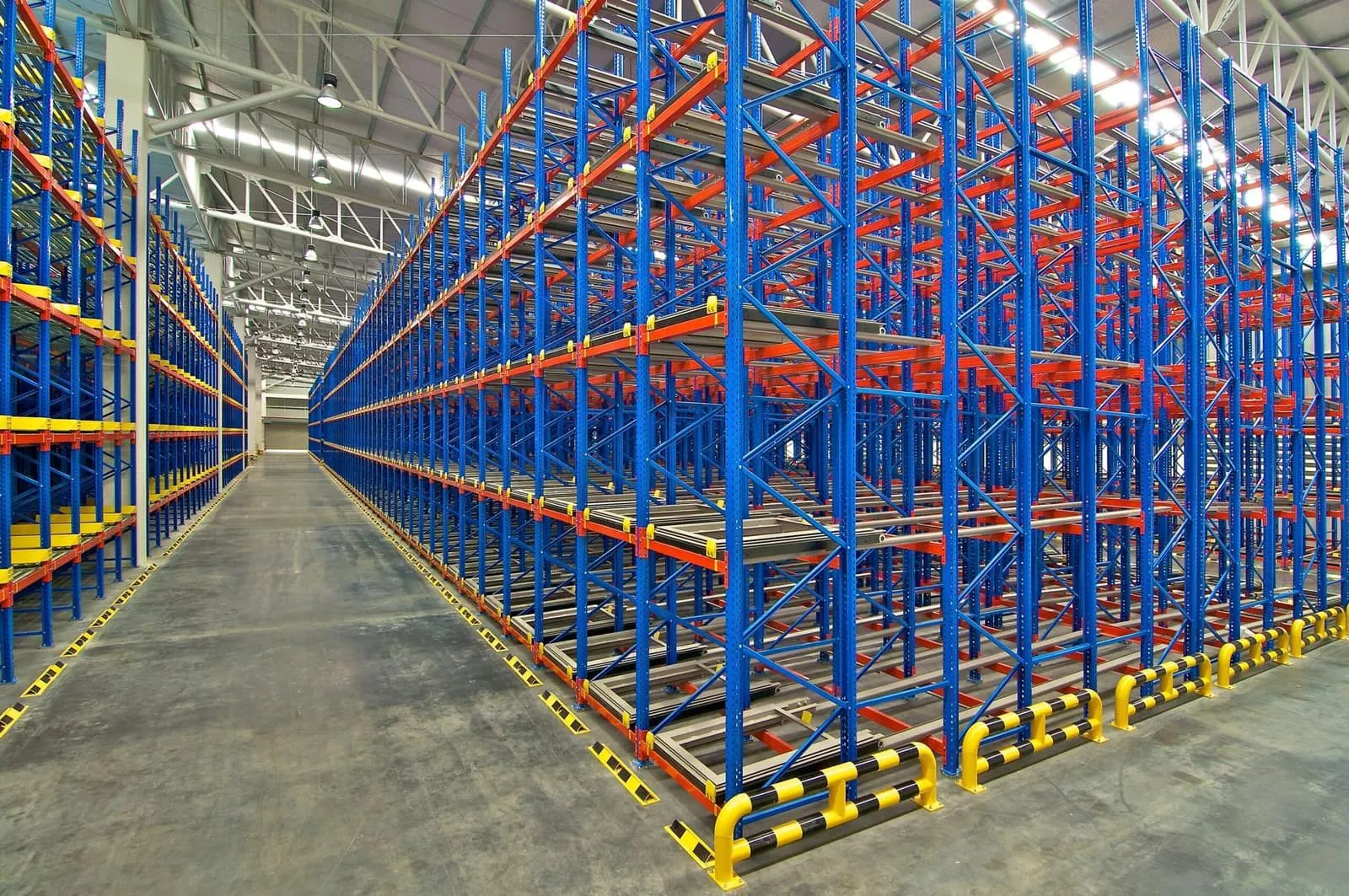
- Racking & storage
- Receiving & shipping flow
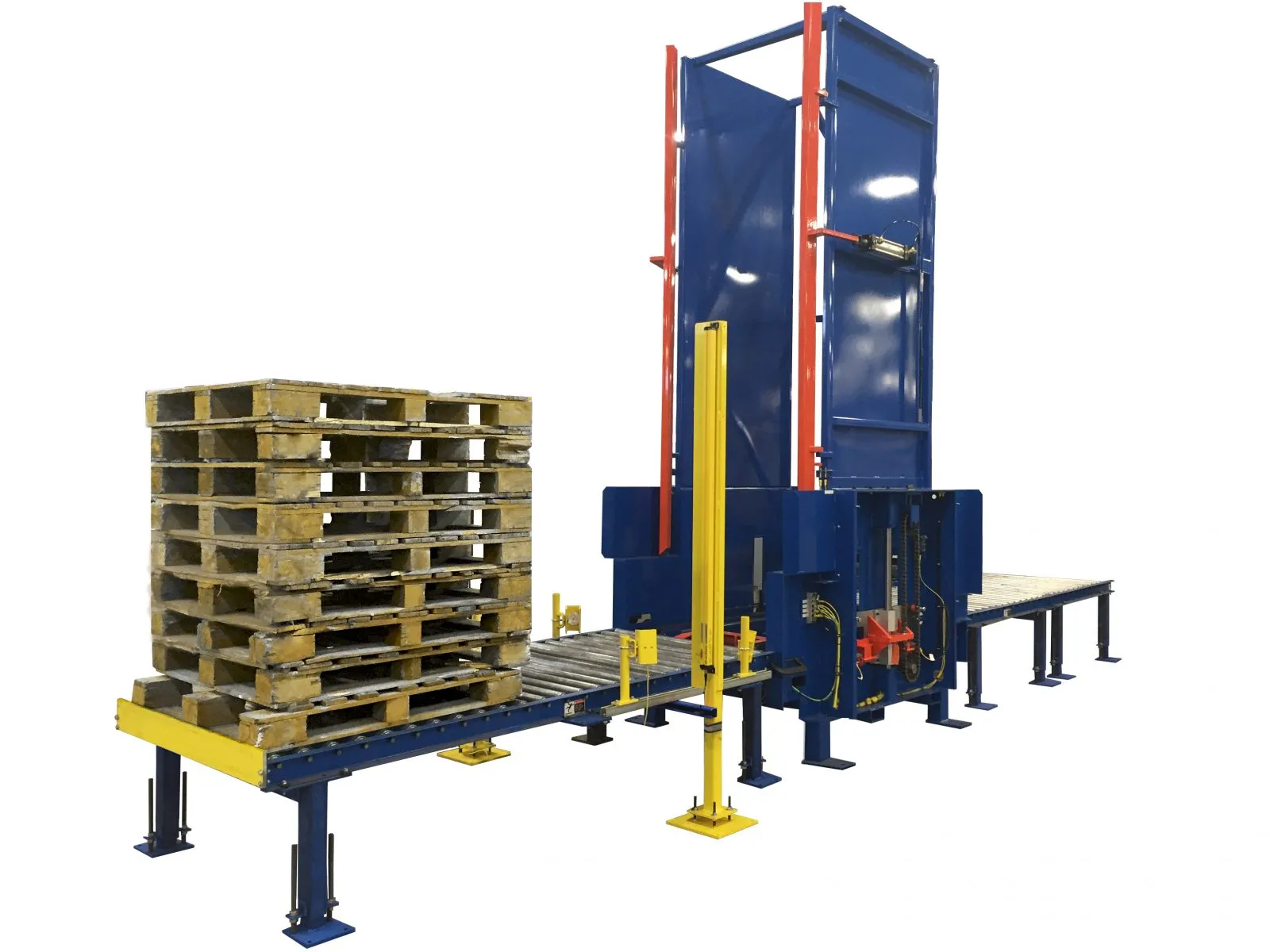
- Safety equipment
- Shuttles
- Sortation systems
- Spacer & pallet retrievers
- Stretch wrappers
- Transfer cars
- Turntables & indexers
- Upenders
- Washing equipment
Next step
Installing new equipment or integrating a system into an existing line?
Discuss a defined project, or ask for a facility audit for a broader look at the operation.