Technology
Conveyor Systems & Material Flow Integration
Conveyors are one part of a larger material-flow system. The real question is whether product moves through the facility at the rate and in the sequence the operation requires. Steel Square works on the conveyor equipment, controls and integration that move it.
The problem
Material Flow Problems
- Product is not moving at the rate the operation needs
- A stall or transfer fault backs up the whole line
- A controls, staging or layout mismatch limits flow
- Receiving or shipping backups show up quickly
What it is
About Conveyor & Material Flow
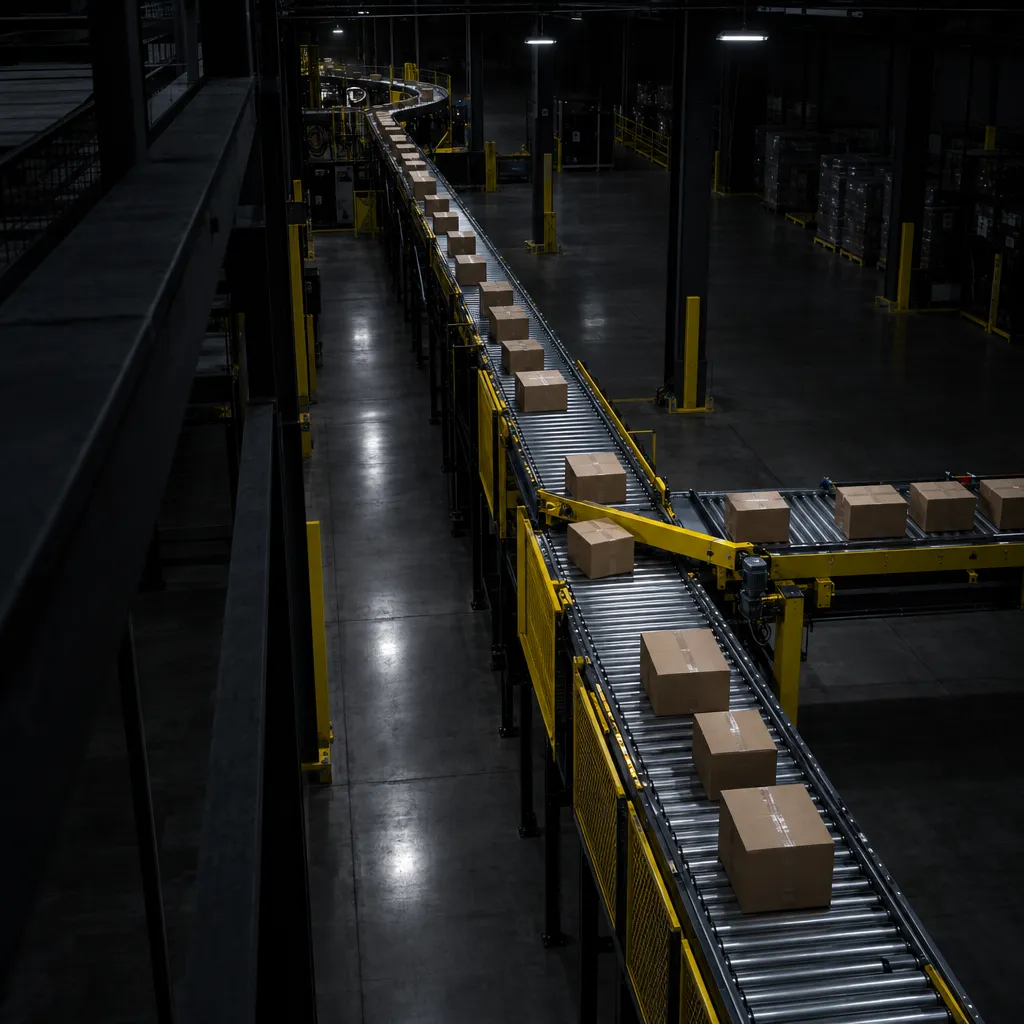
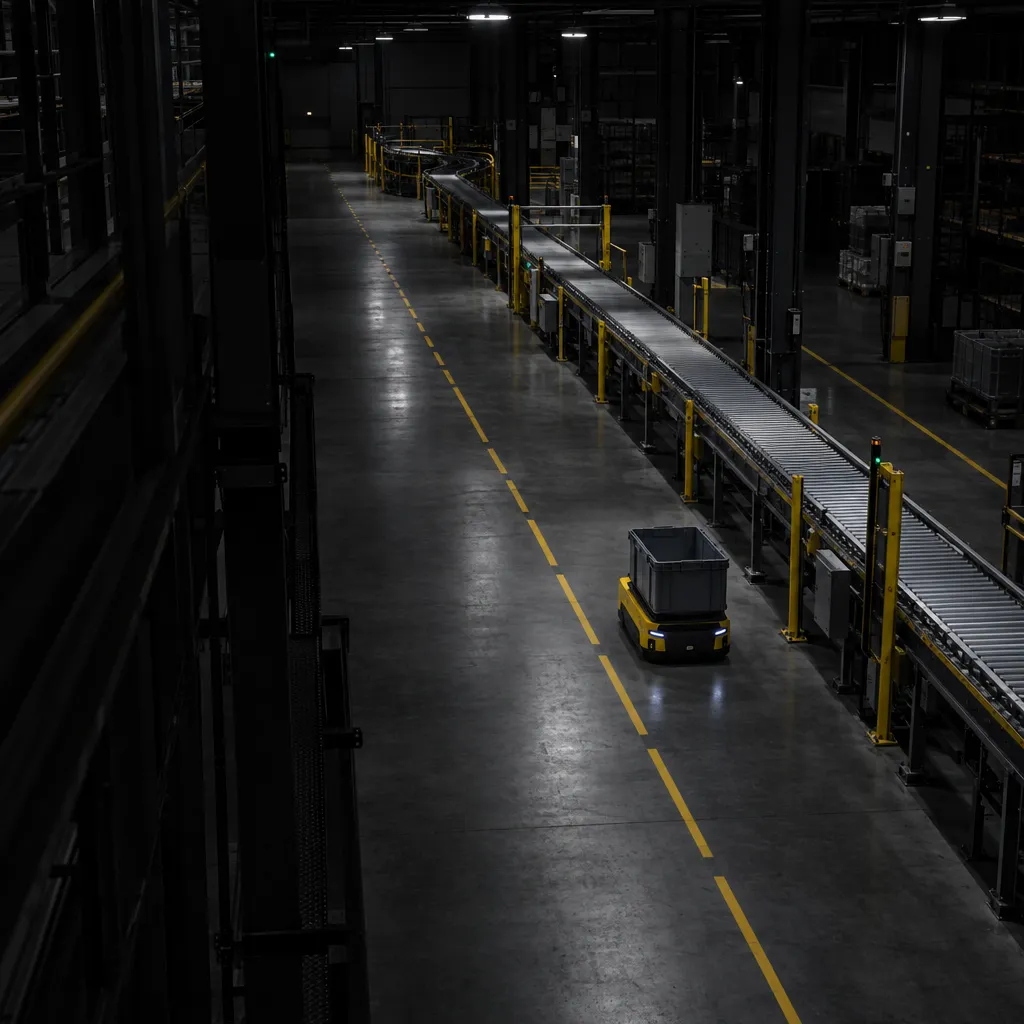
Conveyor and material-flow systems are the powered and gravity equipment that move product between receiving, storage, picking and shipping. They keep product moving at pace. A single stall or transfer fault can back up the whole line.
- Roller and CDLR conveyor
- Carriage and cart-loading systems
- Sortation interfaces
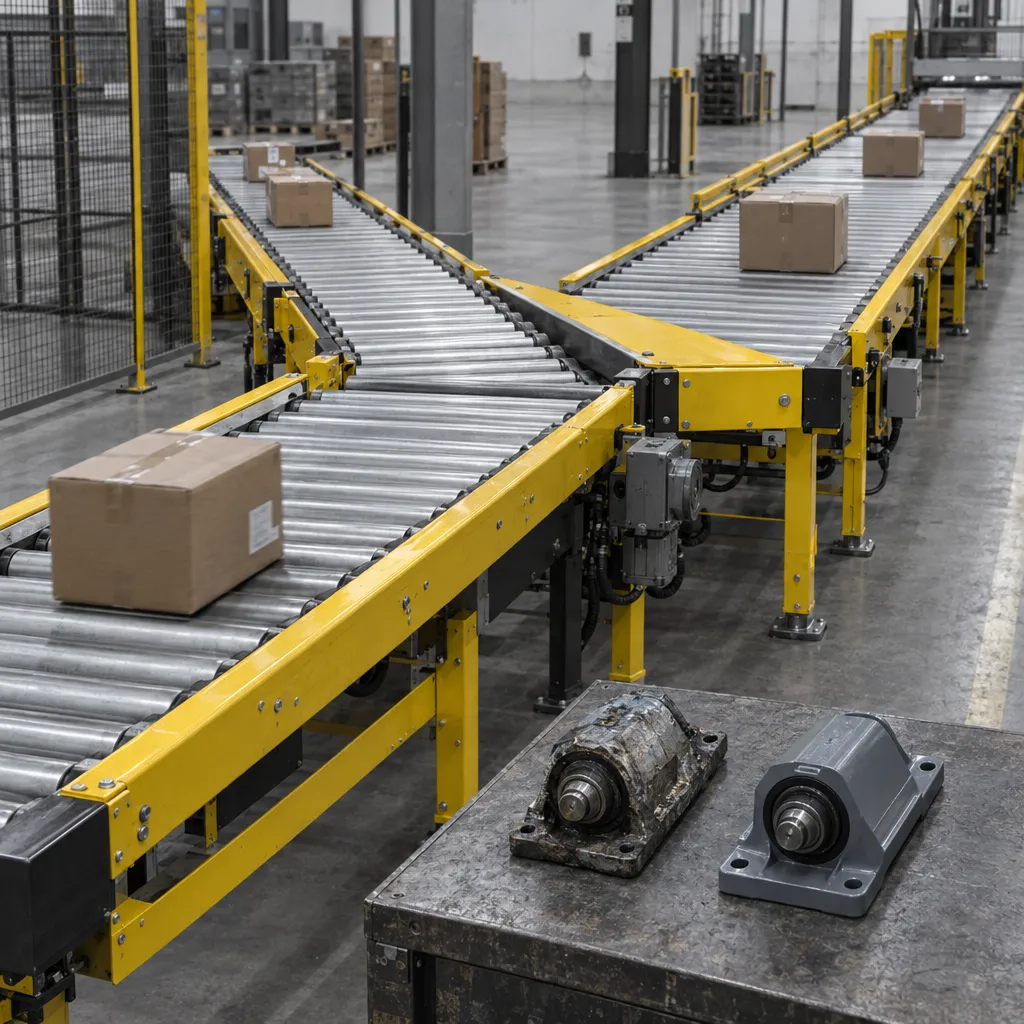
Conveyor Is Chosen by the Load
Conveyor moves product between operations, and the type is decided by what is being moved rather than by preference.
Belt handles loose, irregular or small items and inclines. Roller and CDLR handle cases, totes and trays, and can accumulate them without crushing what is behind. Chain and pallet conveyor carry unit loads. Carriage and cart systems move a load on its own carrier. The junctions between them, diverts, merges and transfers, are where most of the engineering and most of the faults live.
Conveyor Equipment
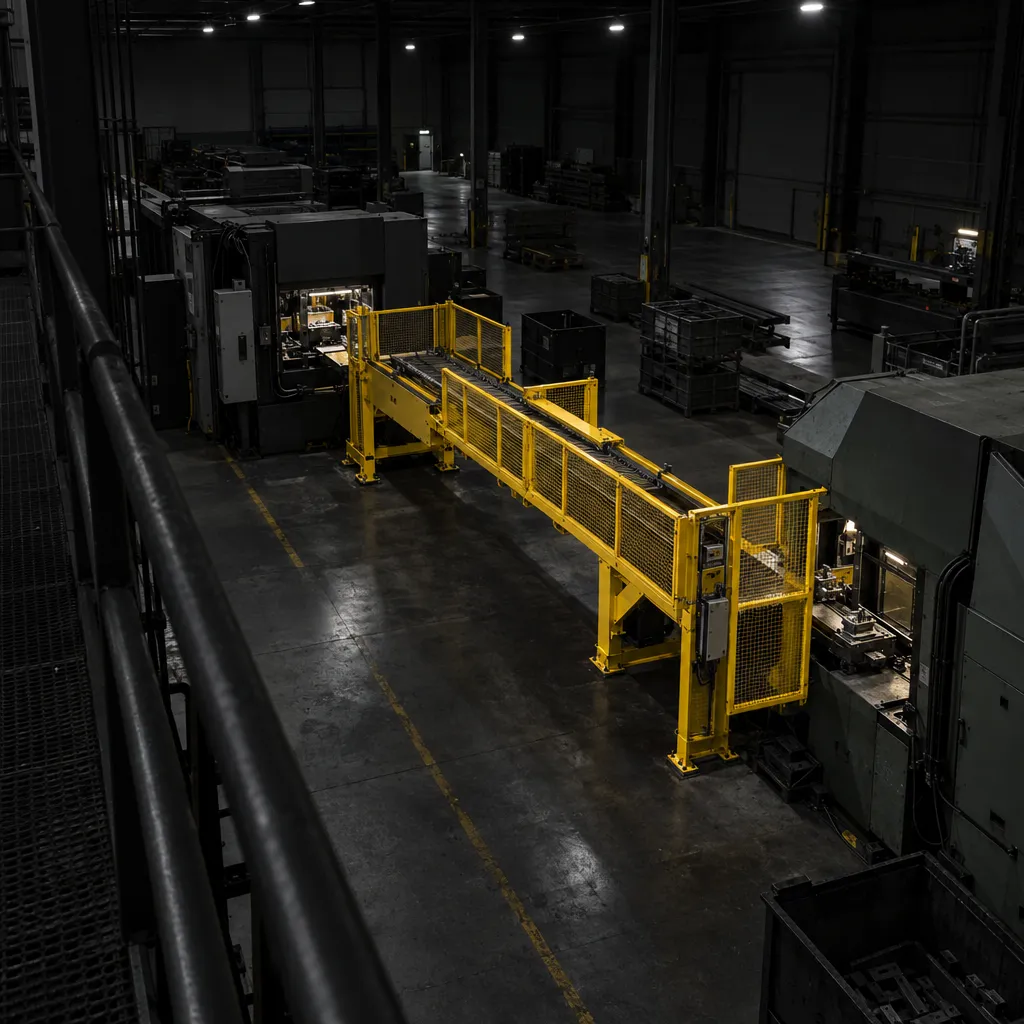
Relevant work can include roller and CDLR conveyor, carriage or cart-loading systems, conveyor parts, controls, sensors, mechanical modifications and integration with upstream or downstream equipment.
Material Flow Problems
A conveyor issue can be a failed component, but it can also be a layout problem, a controls issue, a staging constraint or a mismatch between two processes. Steel Square can look at the machine and the flow around it before deciding what needs to change.
The Stoppage Is Rarely Where the Cause Is
A backup at shipping is usually caused upstream, and the machine that stopped is often the one that could not absorb somebody else’s problem.
Two processes running at different rates will fill the buffer between them and then stop, which reads as a conveyor fault and is actually a balance problem. A transfer that jams once an hour costs more over a year than a failure that stops the line for a day, and it never appears in a downtime report because the line never technically stopped.
Reading the flow before replacing the component is what separates a fix from a recurring service call.
Receiving, Shipping & Dock Flow
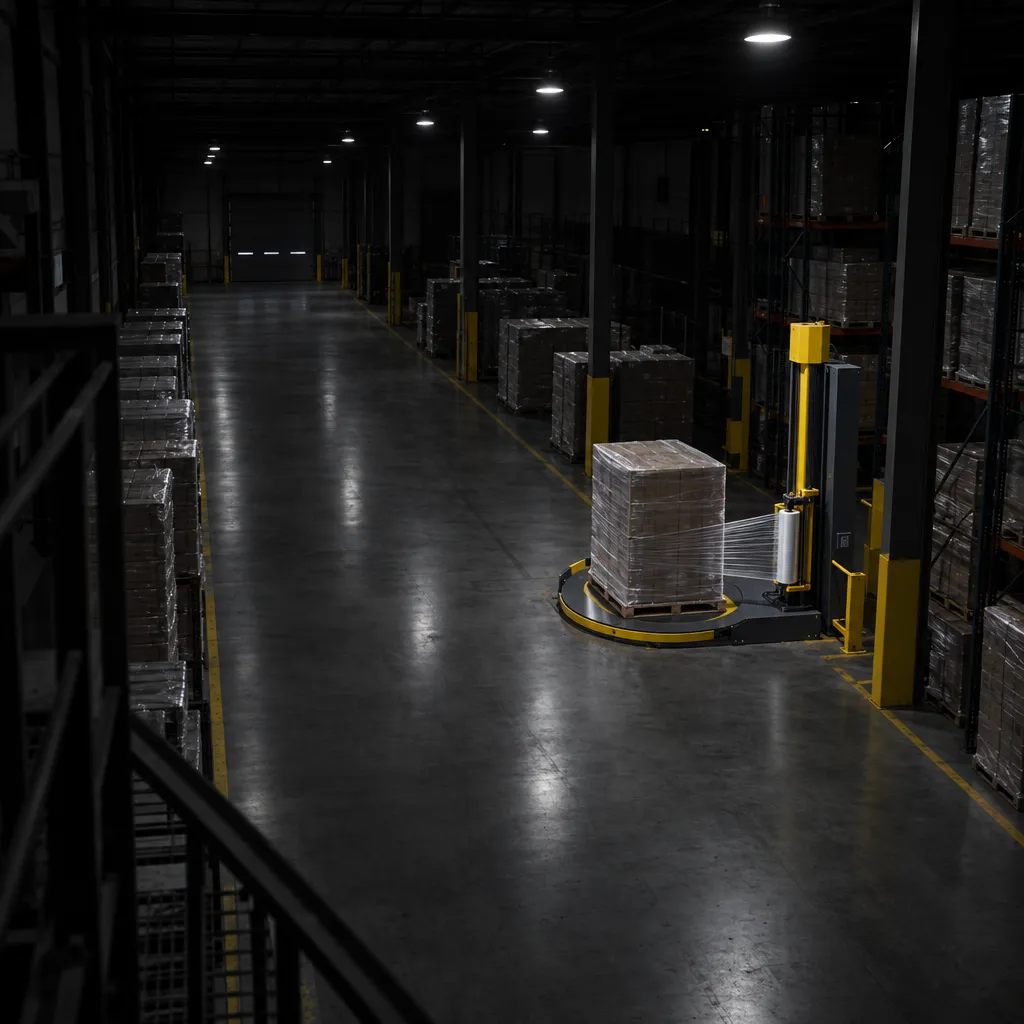
Receiving and shipping are natural places to identify material-flow problems because backups are visible quickly. Steel Square can review conveyors, pallet handling, staging, dock flow and the equipment connecting those areas to the rest of the building.
Service & Retrofit
Steel Square can support parts, repair, controls, modifications and modernization when an existing conveyor system still makes sense to keep. Larger changes can be carried into engineering, fabrication, installation and commissioning when required.
Equipment & subtypes
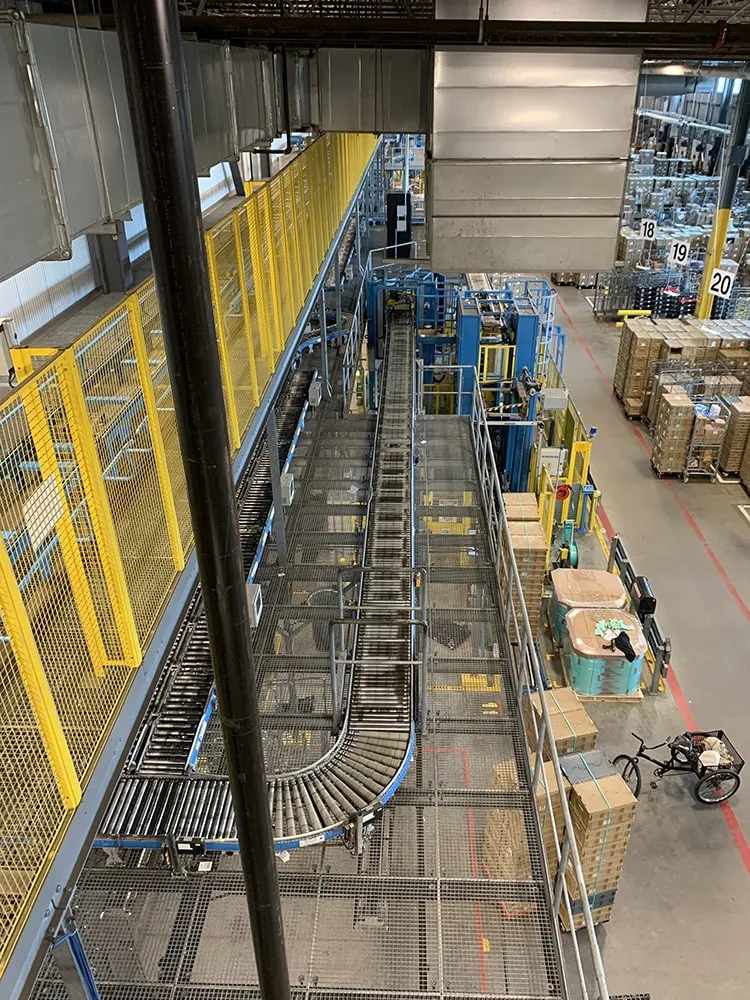
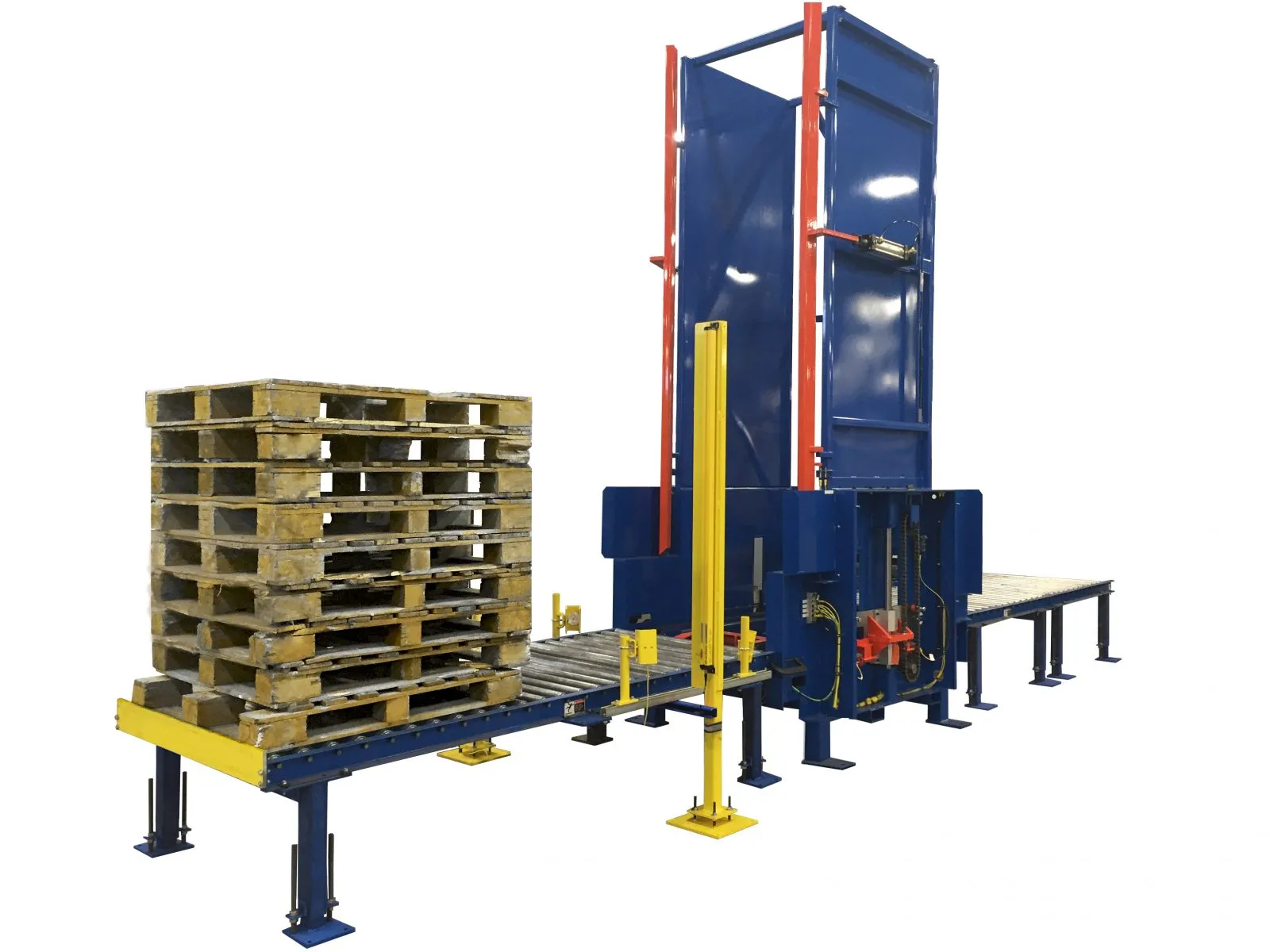
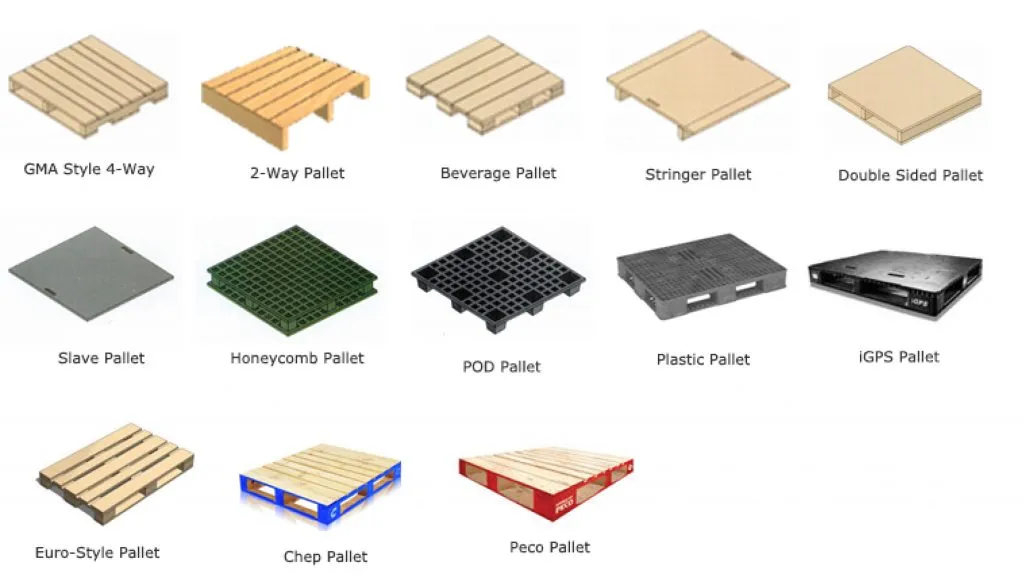
Project Execution for This System
- Installation & IntegrationSet, assemble, connect and launch new equipment into an existing operation.
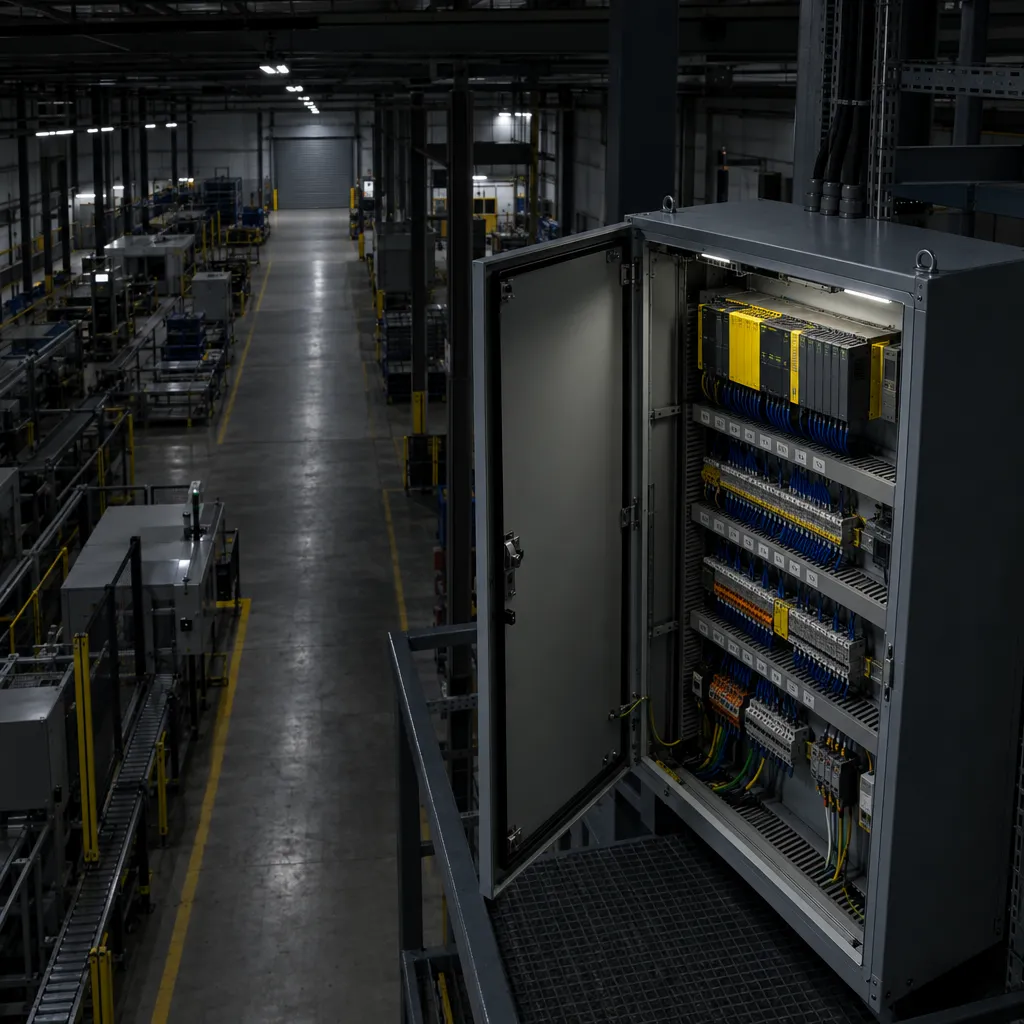
- Controls & Electrical IntegrationPLC, HMI, panels, handshakes and terminations for new and existing equipment.
- Commissioning & StartupSensor commissioning, testing, startup and live-operation monitoring.
Service & support
- Repair & TroubleshootingTroubleshoot the failure across trades and perform the corrective work.
- Preventive MaintenanceInspection, service and lifecycle work planned around production.
- Equipment & Parts SupplySourcing equipment and hard-to-find parts for installed systems.
- Modernization & RetrofitsModernize aging equipment and controls instead of replacing outright.
Industries Where This System Runs
- 3PL & DistributionKeep receiving, storage, picking, pallet handling and shipping moving through equipment integration, controls, service and material-flow improvements.
- Retail / Pharmacy DistributionSupport storage, picking, pallet handling, controls, ASRS and material movement in high-volume distribution operations.
- PharmaceuticalSupport equipment reliability, pallet handling, controls, maintenance and industrial integration inside demanding production environments.
- Cold Storage & Food LogisticsSupport material handling, conveyors, controls, parts and maintenance where cold operating conditions increase equipment and service demands.
- ManufacturingAddress production equipment, controls, material flow, parts, repair, custom modifications and integration across the plant floor.
Related technology
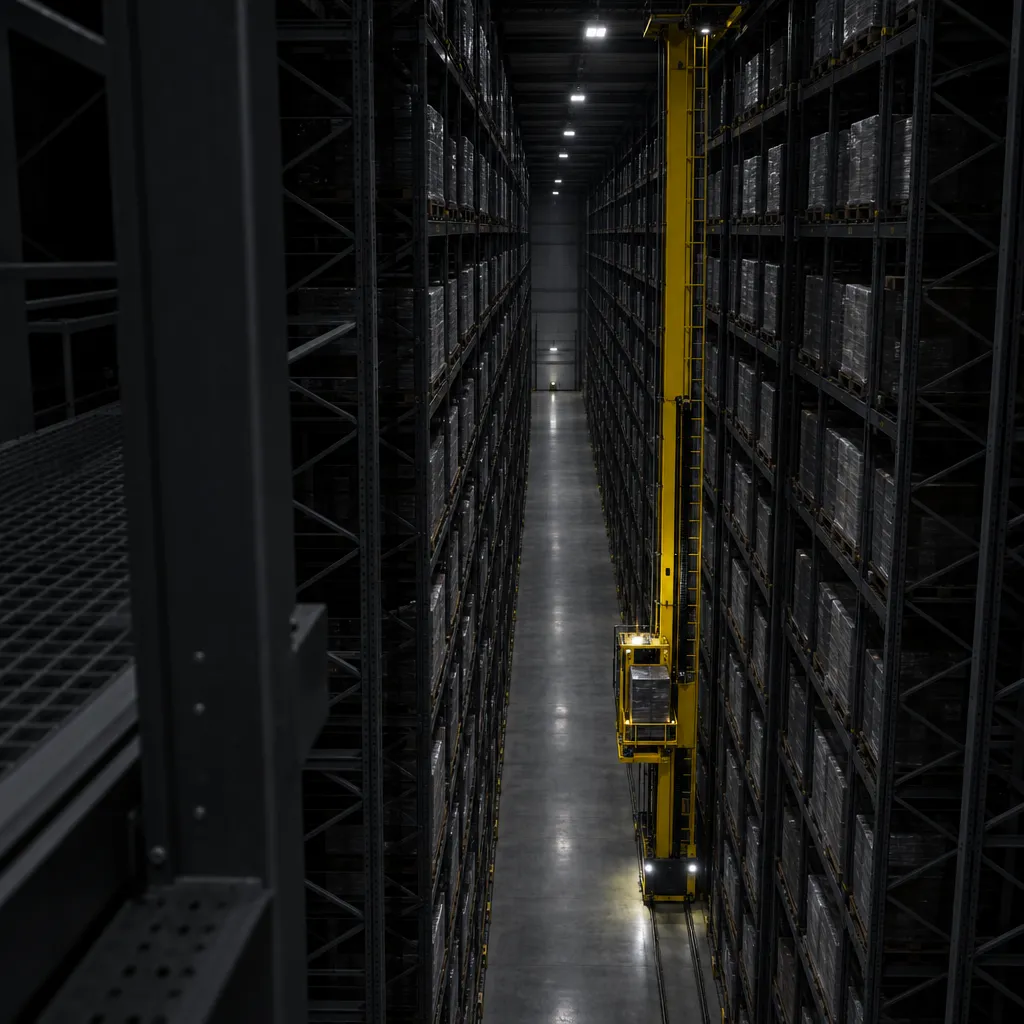
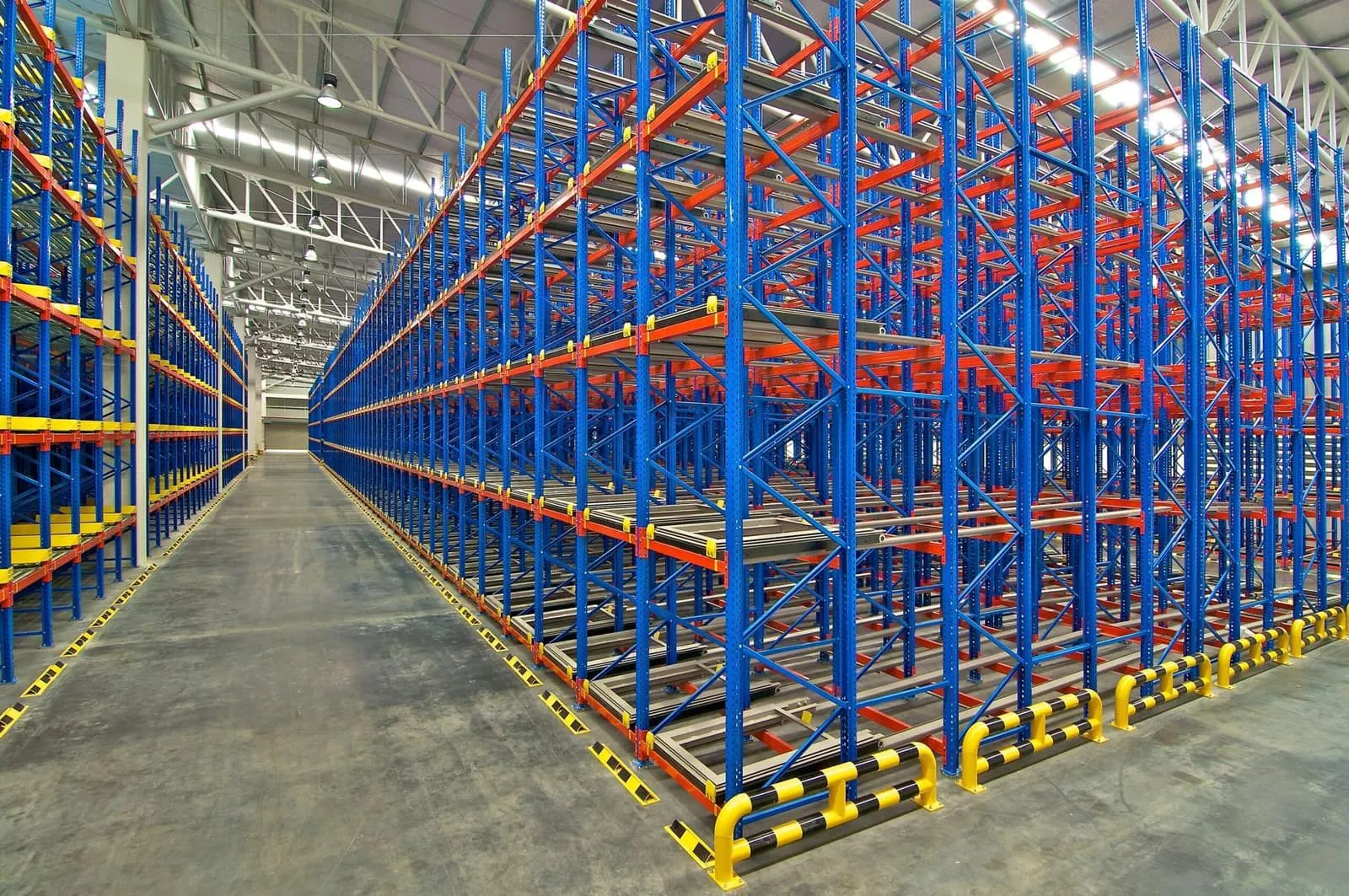 ASRS & Automated StorageIntegration, repair, retrofit, controls and lifecycle support for automated storage systems.
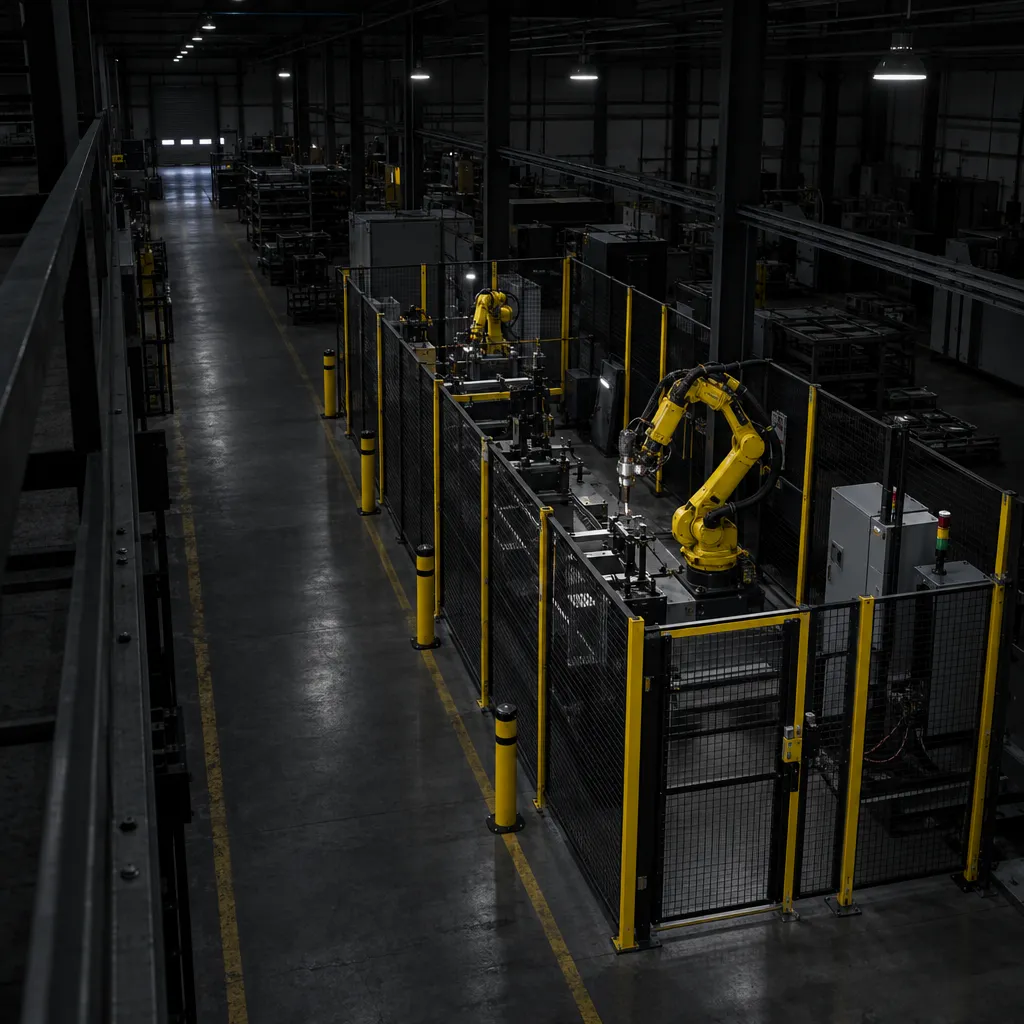
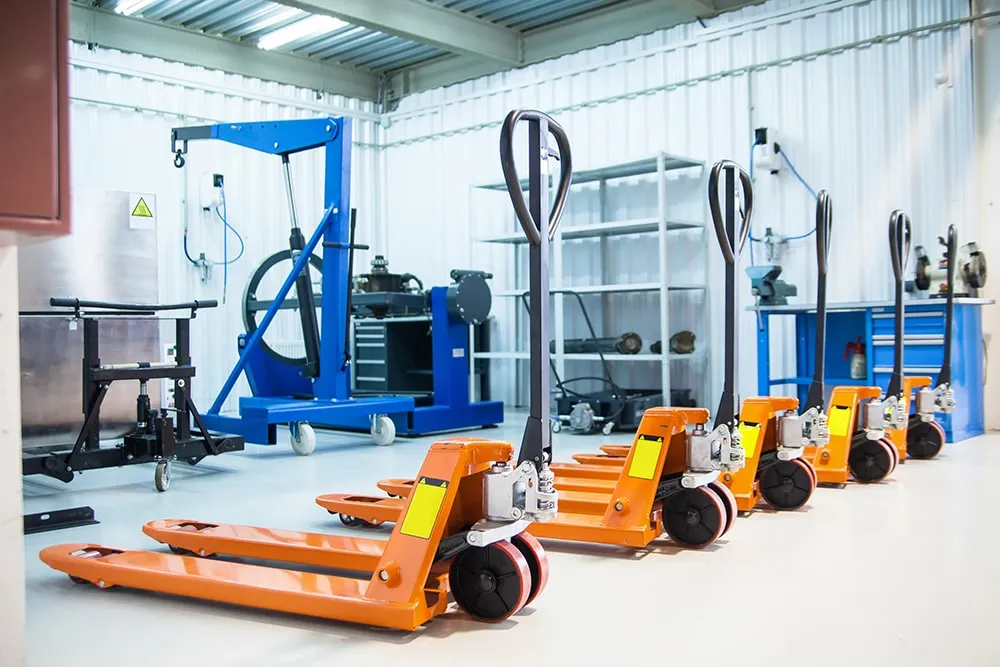 Robotics, Sortation & AGV/AMRAutomated handling, mobile automation and sortation integrated into the operation around them.
 Industrial Controls & ElectricalPLC, HMI, panels, sensors, electrical integration, troubleshooting and modernization.
FAQ
Buyer FAQ
Does Steel Square only sell conveyor equipment?
No. Equipment and parts can be supplied, but the larger Steel Square model includes integration, controls, repair, modifications, maintenance and material-flow improvement around the equipment.
Can Steel Square work on an existing conveyor line?
Yes. Steel Square can troubleshoot, repair, modify and integrate existing conveyor and material-flow equipment, and can support controls and electrical work around it.
Next step
Talk to Steel Square About Conveyor & Material Flow
Discuss a defined project, or ask for a facility audit for a broader look at the operation.