
Project Execution
Commissioning & Startup
Installation is not finished until the system is tested and working in the operation. Steel Square can support startup, troubleshooting, commissioning and handoff after installation, integration, repair or relocation work.
The trigger
Commissioning & Startup Scope
- An install is not yet tested in the operation
- A repaired system has to return to service
- Sensors, handshakes and sequences need verifying
- A system needs monitoring under live conditions
What Commissioning Proves
Commissioning is the process of proving that a system does what it was bought to do, in the building it was installed in, at the rate it was specified for.
It is not the same as testing a machine. A machine gets tested by its manufacturer under controlled conditions. Commissioning tests the installation: this equipment, on this floor, with this power, running your product, alongside the systems that feed and follow it.
The Stages of a Startup
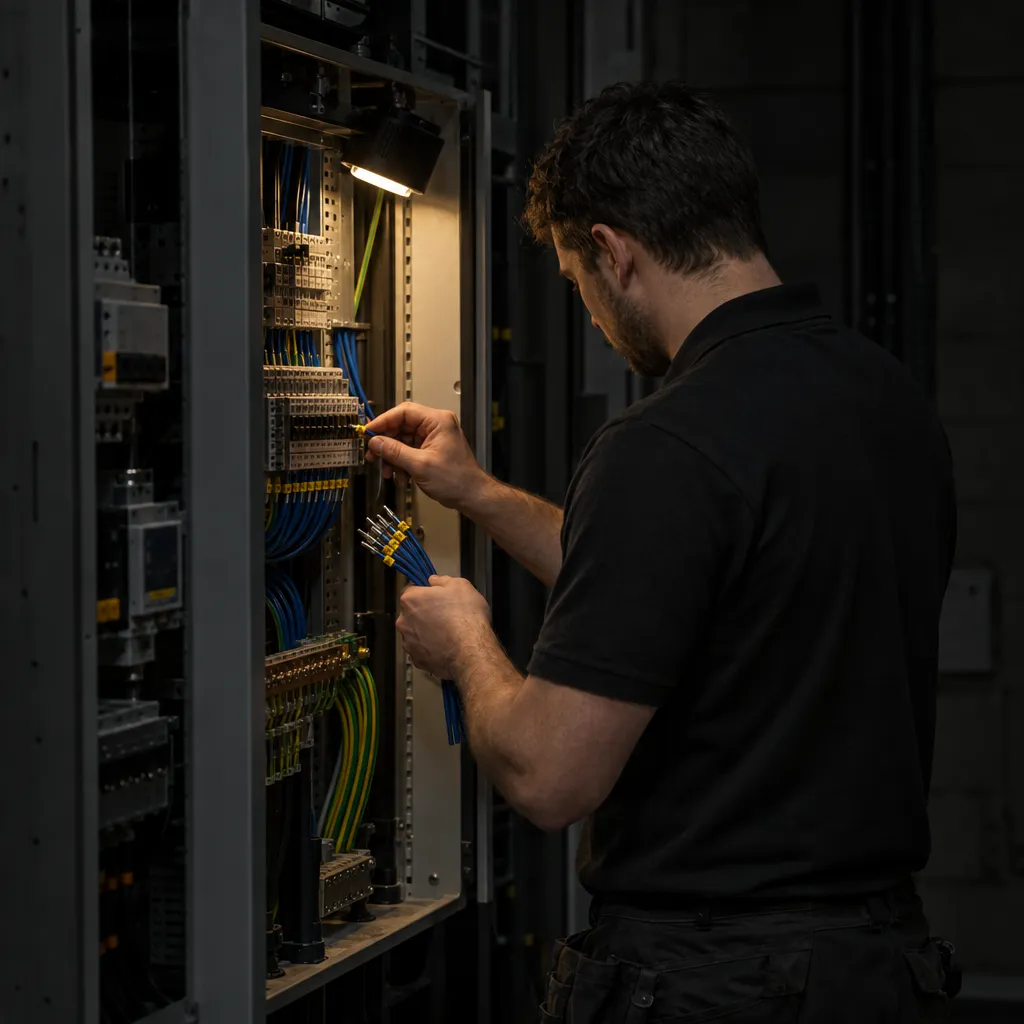
Verification comes first. Sensors, devices and I/O are checked individually so that a fault later can be traced to a cause rather than a guess.
Then sequence testing, running the logic through its states, including the ones nobody wants: a jam, a stopped downstream conveyor, a lost signal, an emergency stop. Faults get induced deliberately, because the response to a failure is part of the specification.
Then run-in under real product, at real rate, for long enough to see the failures that only appear when something is warm or when a shift changes.
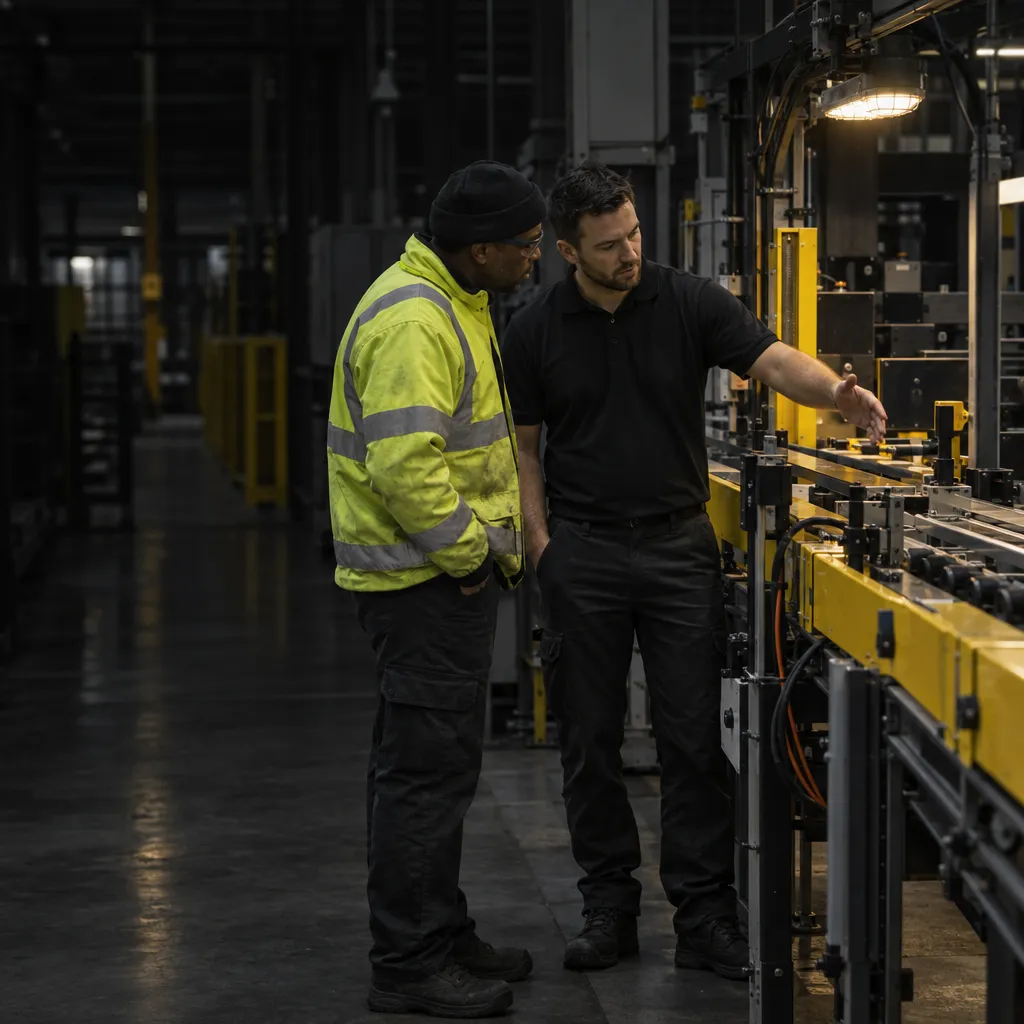
Then handover, which includes the operators and maintenance staff who will live with the machine.
Empty Cycles Prove Very Little
Equipment that cycles perfectly with nothing on it can fail on the first full pallet.
Product is heavier, wider or less square than the test load. A tote out of a cold aisle behaves differently from one at ambient. A case sitting a few millimetres off centre catches a guide that had clearance when it was empty. A sequence that works at test speed loses its timing at production rate.
Every one of those is cheap to find during commissioning and expensive to find afterward. The same fault costs a day in the startup window and a shift once the line is committed to a schedule.
Return to Service
For repair work, commissioning is the final step before equipment goes back into production, and the standard is the same as for a new install: it is not finished because it runs, it is finished because it runs the work.
For new equipment, it verifies that the installed system functions inside the operation around it rather than on its own.
Steel Square Scope
Steel Square can carry out startups and commissioning as part of an installation, a relocation or a repair, including sensor commissioning, operational testing, line startup and monitoring under live conditions, alongside the mechanical, controls and electrical work the restart actually needs.
Project Experience
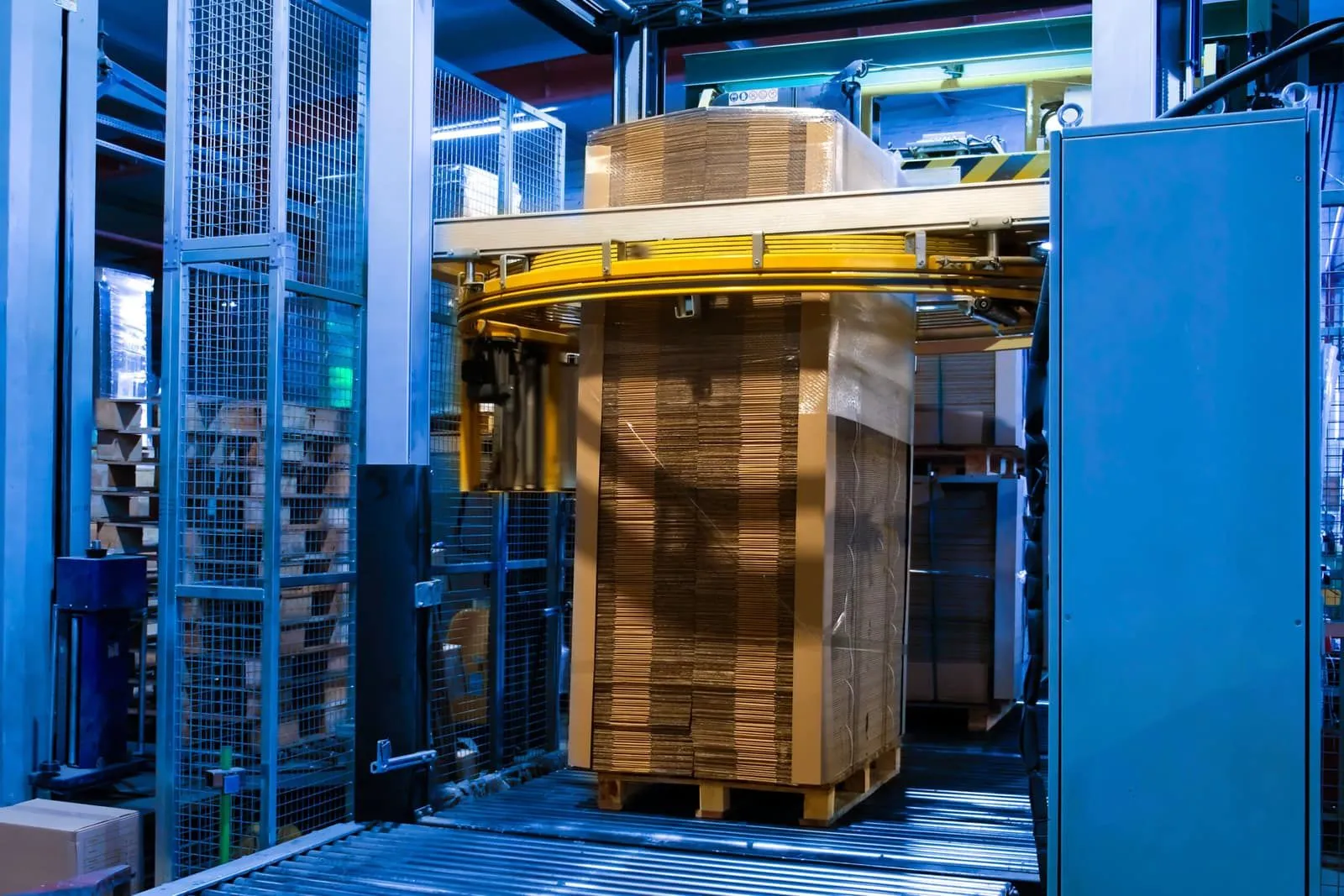
The Walgreens Anderson wrapper project included sensor commissioning, wrap testing, line startup and live-operation monitoring. Steel Square also completed testing and return-to-service work on ASRS Crane 9 at Walgreens Windsor.
Systems Covered by This Discipline
- ASRS & Automated StorageIntegration, repair, retrofit, controls and lifecycle support for automated storage systems.
- Conveyor & Material FlowEquipment, controls and process improvements for moving cases, totes, carts and pallets through the facility.
- Industrial Controls & ElectricalPLC, HMI, panels, sensors, electrical integration, troubleshooting and modernization.
Connected disciplines
- Installation & IntegrationSet, assemble, connect and launch new equipment into an existing operation.
- Controls & Electrical IntegrationPLC, HMI, panels, handshakes and terminations for new and existing equipment.
- Engineering & System DesignConcept, layout and system design for new and changing equipment.
Equipment Integrated
- AGV & AMR fleets
- Accumulation conveyor
- ASRS cranes
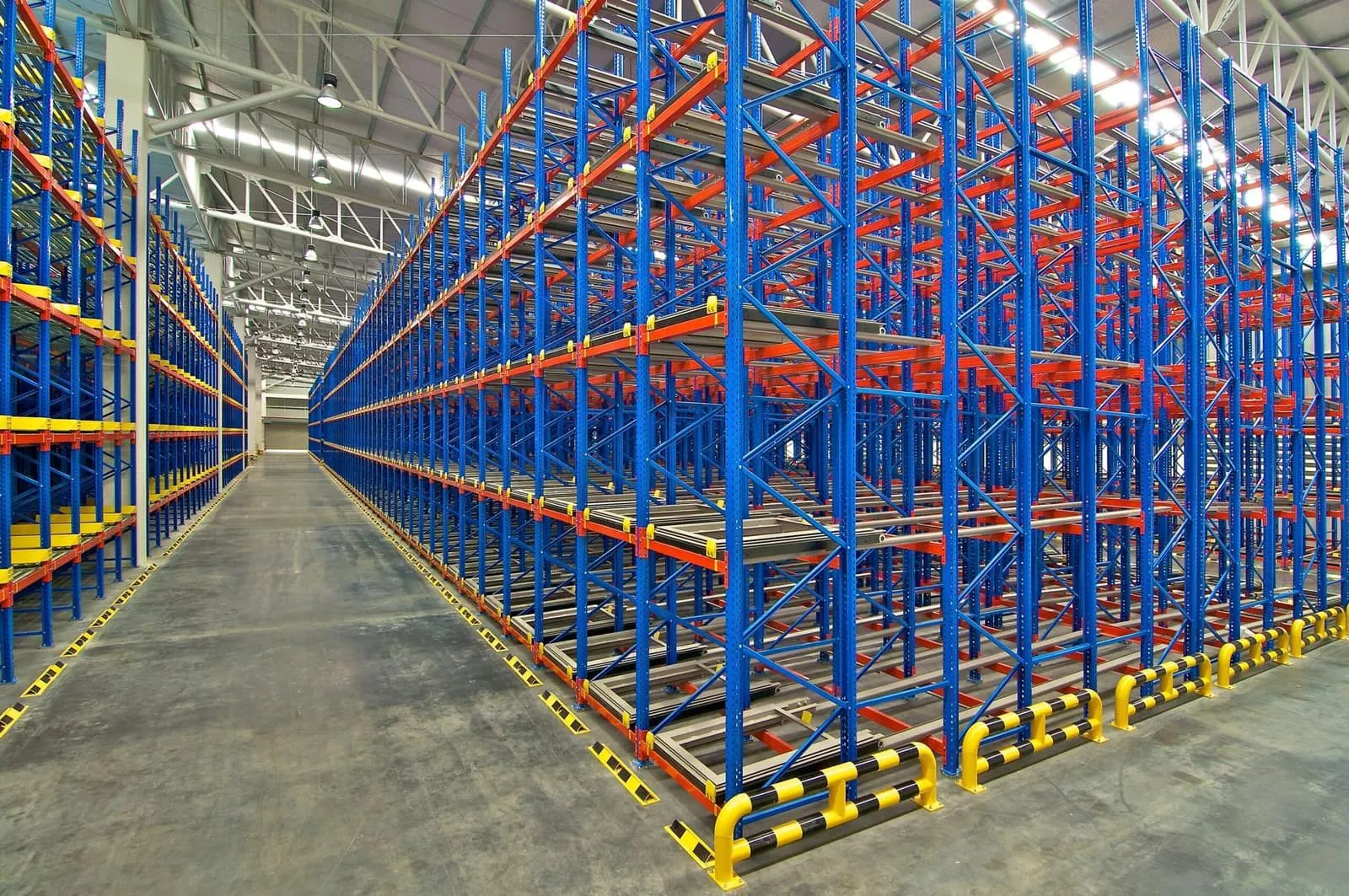
- Automated picking & dispensing
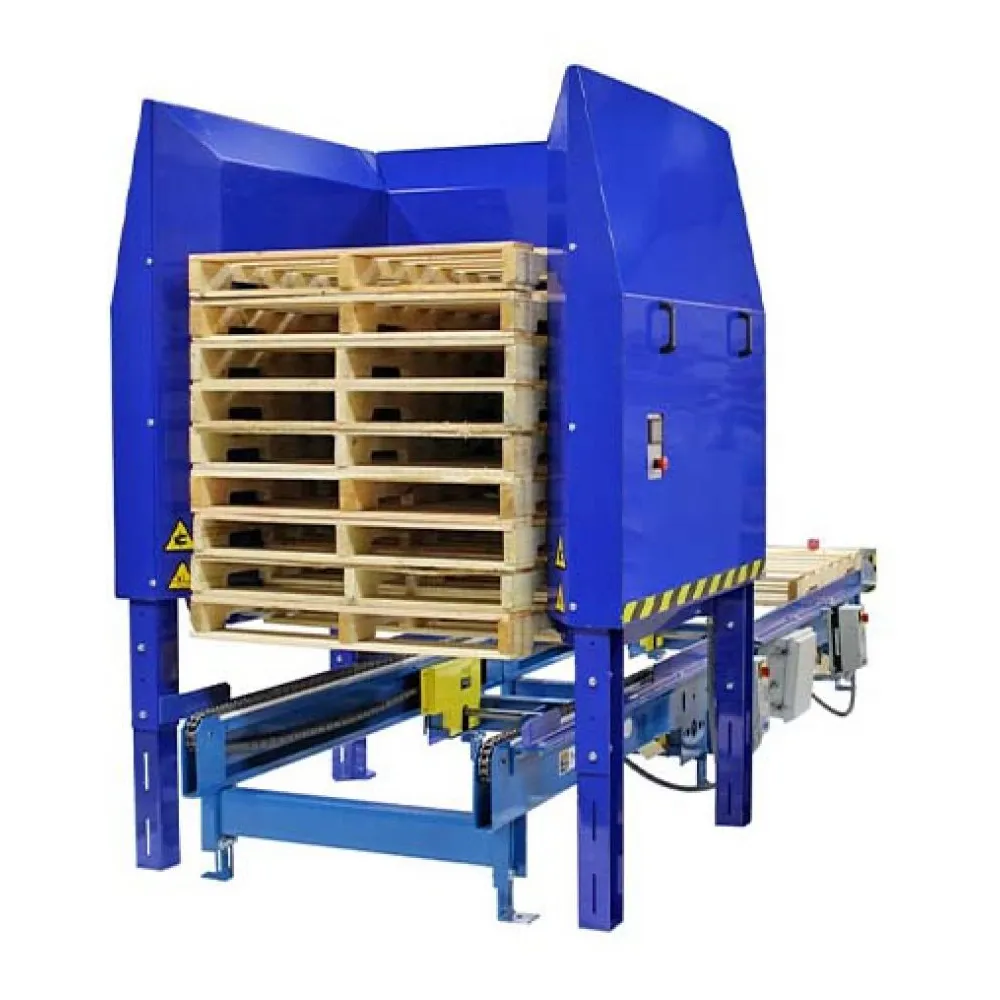
- Bearings & rollers
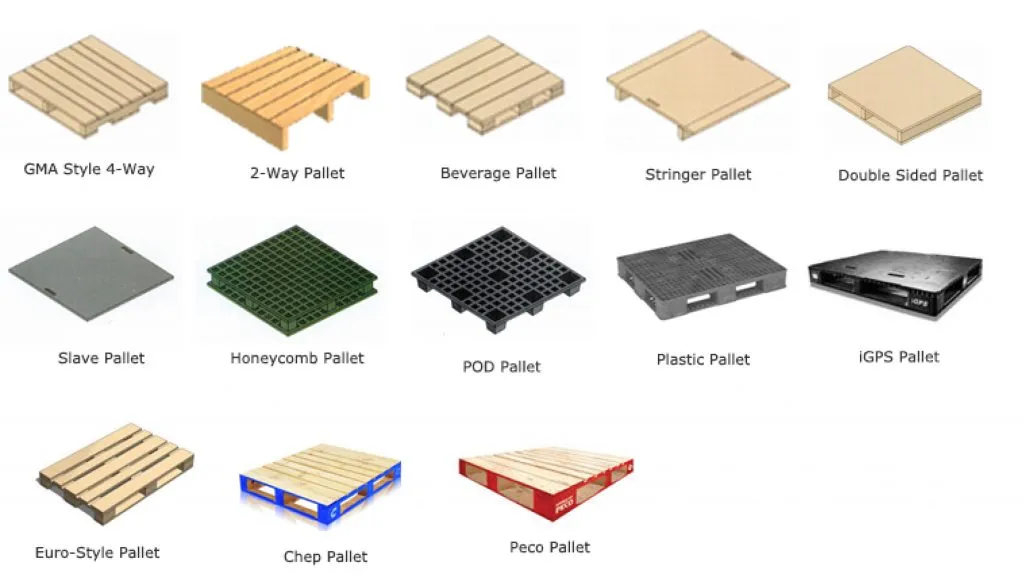
- Bollards & barriers
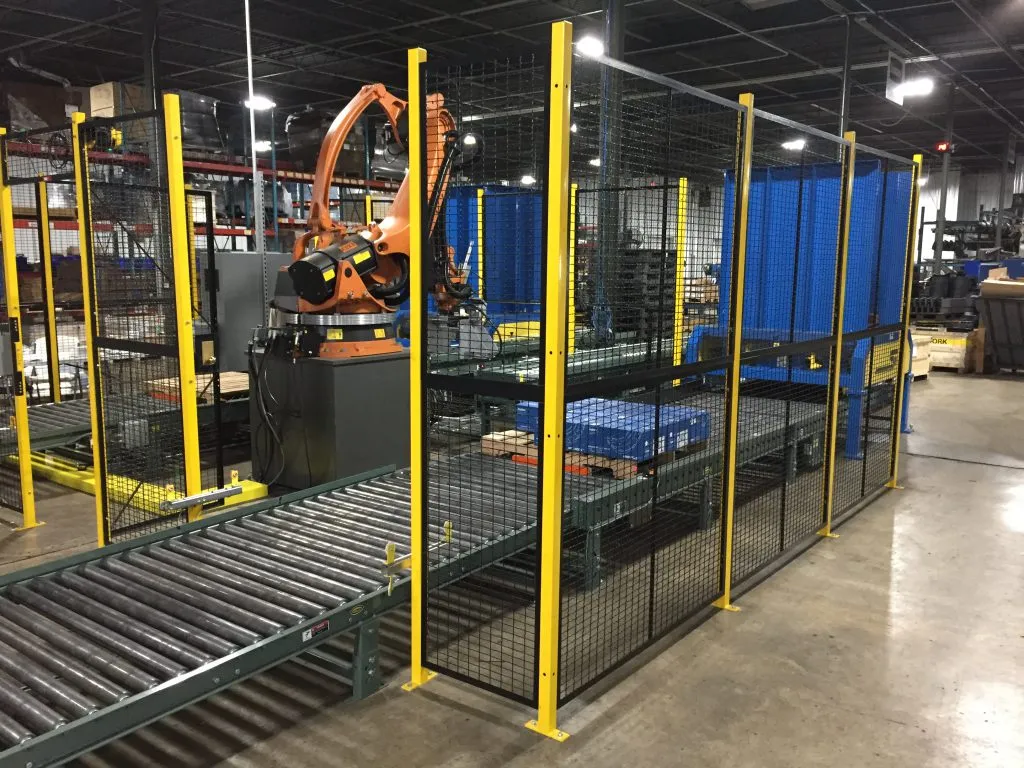
- Cable carriers
- Carousels
- Cart-loading & carriage systems
- Conveyor systems
- Diverters & mergers
- Dock & material flow
- Dumpers & tippers
- Freezer spacers
- Guarding & fencing
- HMI & operator interfaces
- Industrial control panels
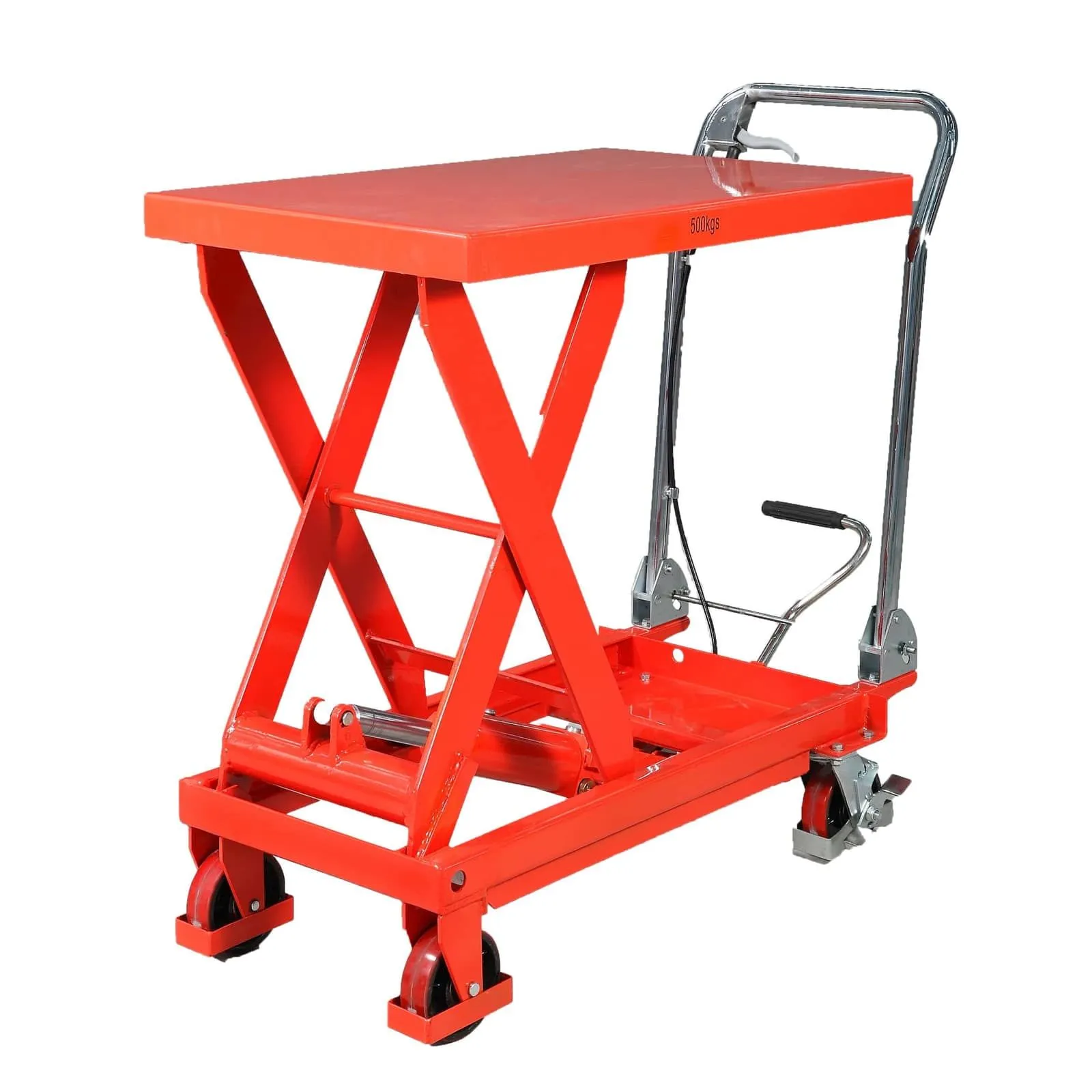
- Lift tables
- Load transfer systems
- Mezzanines & platforms
- Mini-load ASRS & AKL
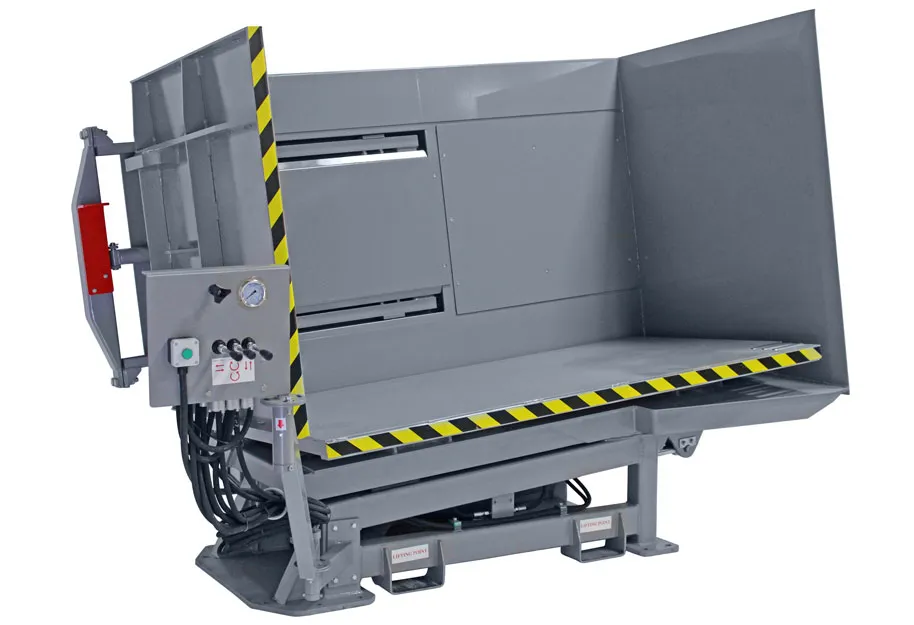
- Pallet changers
- Pallet dispensers
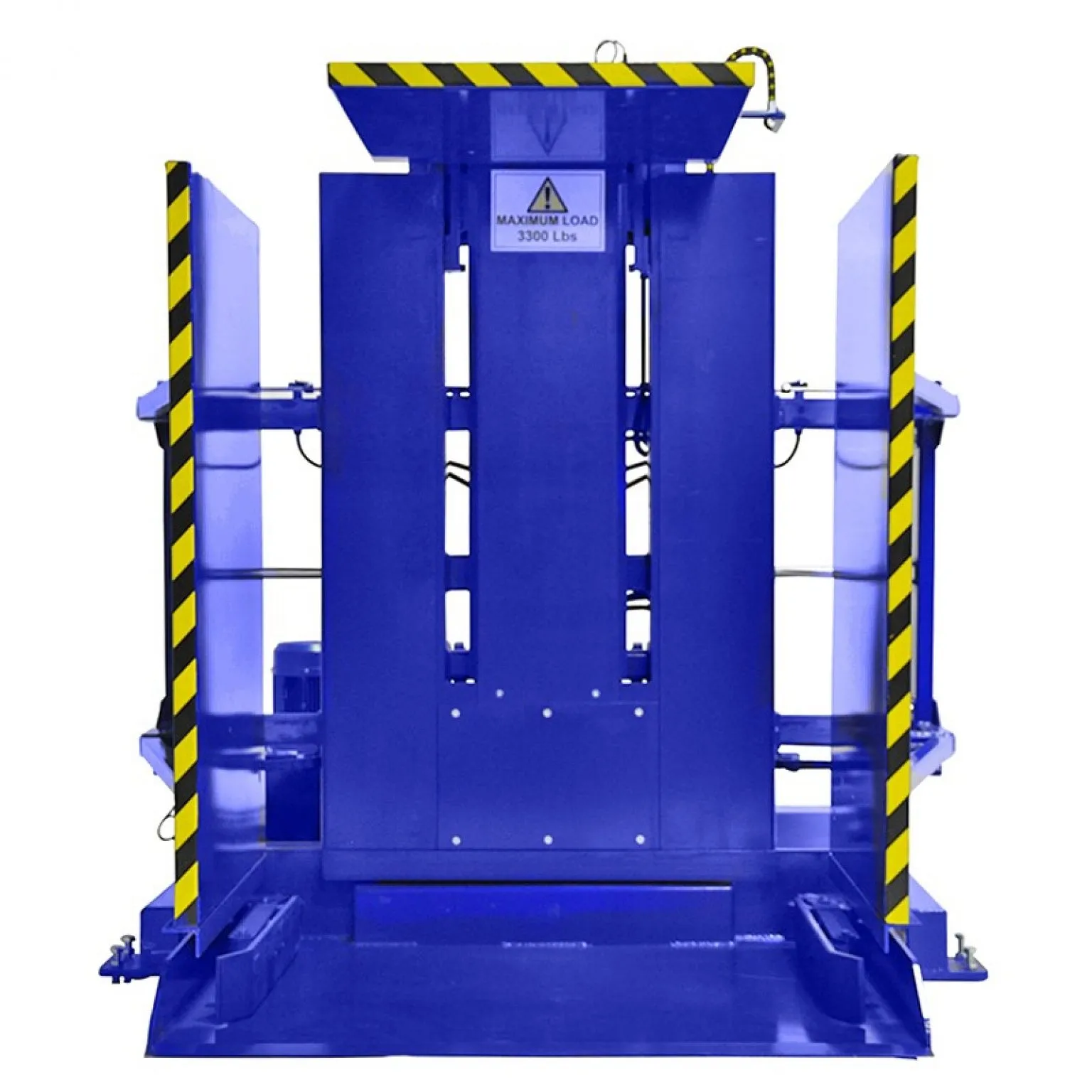
- Pallet inverters
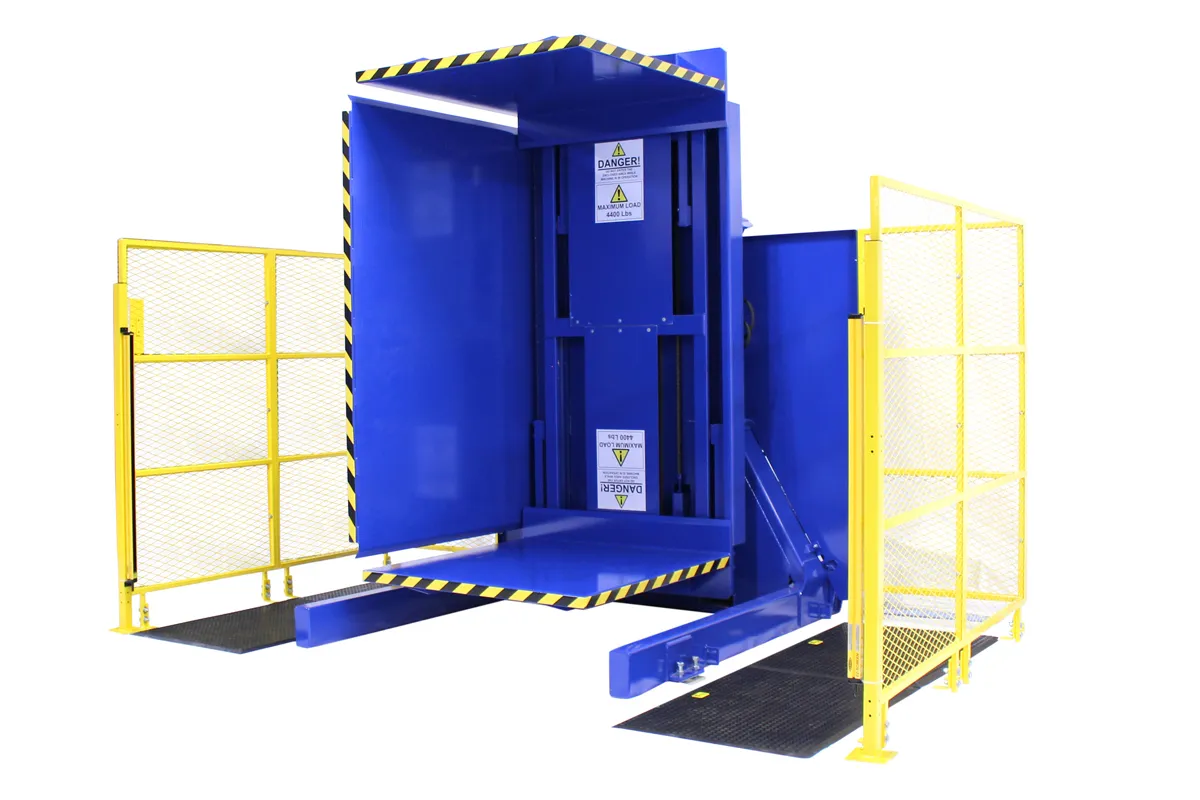
- Pallet stackers
- Pallet straighteners
- Palletizers & depalletizers
- Pallets, wood & plastic
- PLC & controls hardware
- Pneumatic components
- Racking & storage
- Receiving & shipping flow
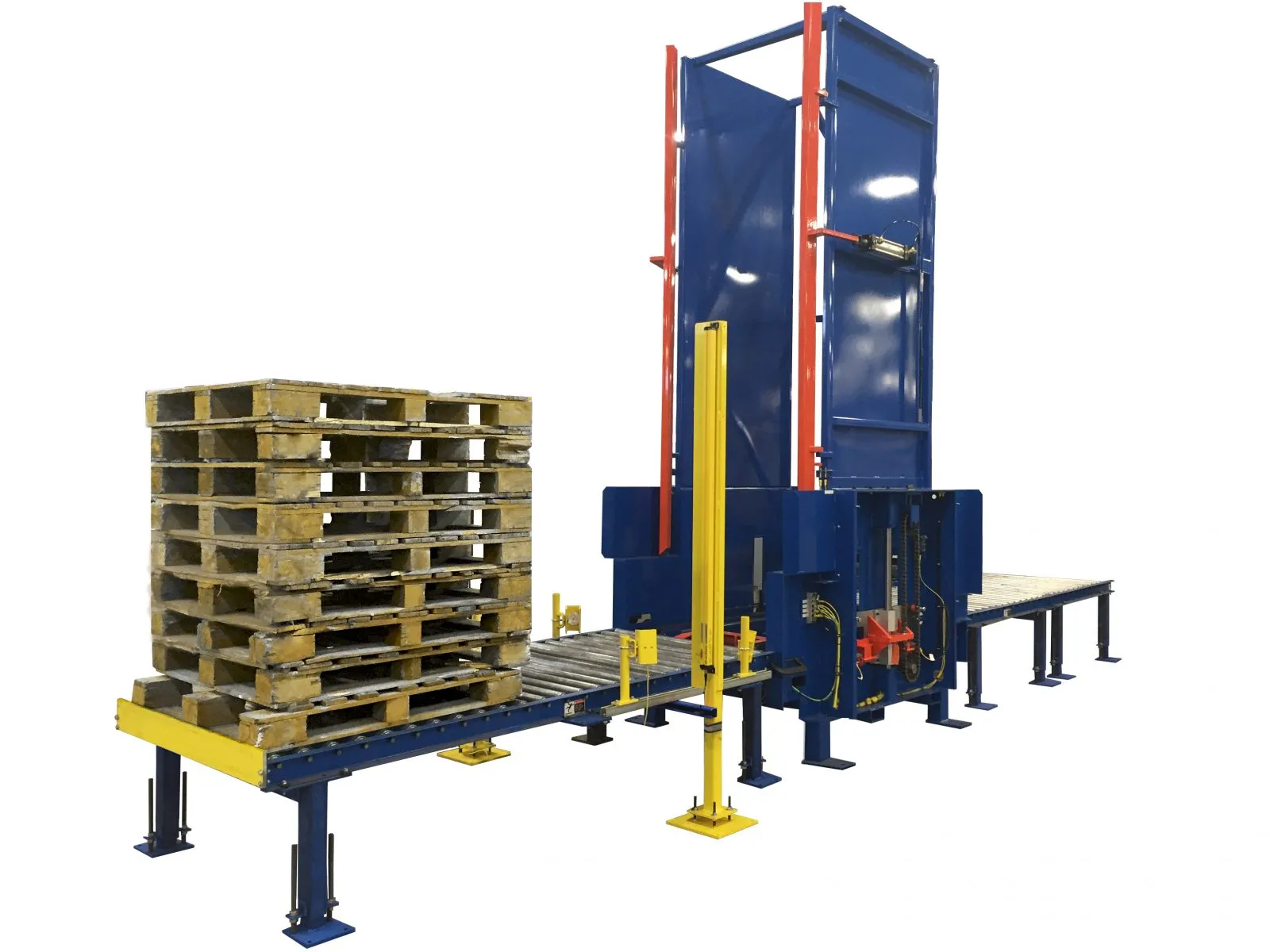
- Safety equipment
- Shuttles
- Sortation systems
- Spacer & pallet retrievers
- Stretch wrappers
- Transfer cars
- Turntables & indexers
- Upenders
- Washing equipment
Next step
Installing new equipment or integrating a system into an existing line?
Discuss a defined project, or ask for a facility audit for a broader look at the operation.