
Project Execution
Industrial Project Execution from Concept to Startup
Steel Square can carry a project through the disciplines required to get it working in the facility. That can include engineering and design, estimation, sourcing, controls, fabrication, installation, rigging, relocation, project management, commissioning and startup.
What brings you here
Execution Disciplines by Project Stage
- You are installing or integrating new equipment
- You need equipment or a line moved
- The problem needs an engineered, custom solution
- Controls and electrical work has to be tied in
- A system needs commissioning and startup
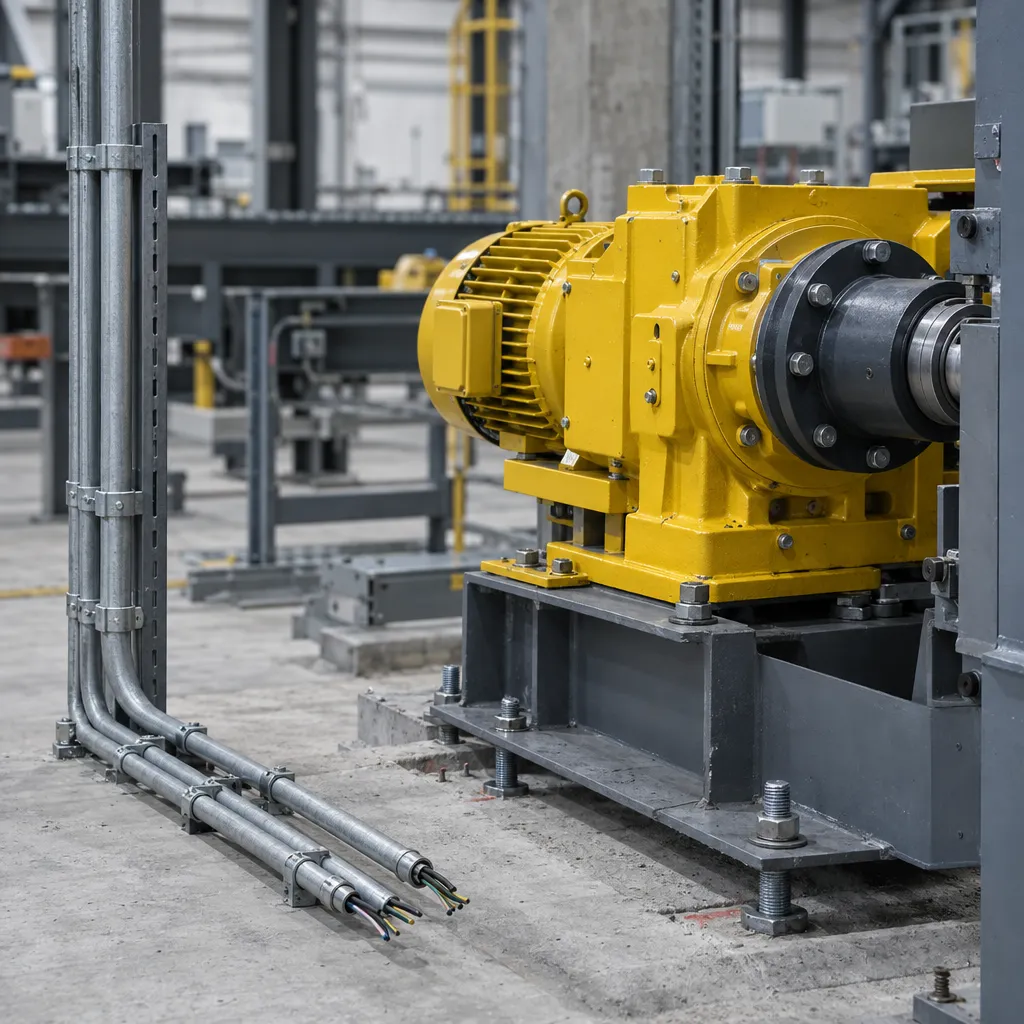
01 / 07
Engineering & System Design
Design is the stage where a problem becomes a drawing: the concept, the layout, the equipment selection and the way the new work has to meet what is already on the floor. It covers the dimensions, the clearances, the utilities a machine will need and the sequence in which it can be installed.
Most of the cost of a project is committed here and spent later. A layout that ignores a column, a door swing or the route a pallet truck has to take does not fail on the drawing. It fails during installation, when the crew is on site and the options have narrowed to the expensive ones.
- Concept and layout
- Equipment selection and fit
- Utilities, clearances and access
- Installation sequence
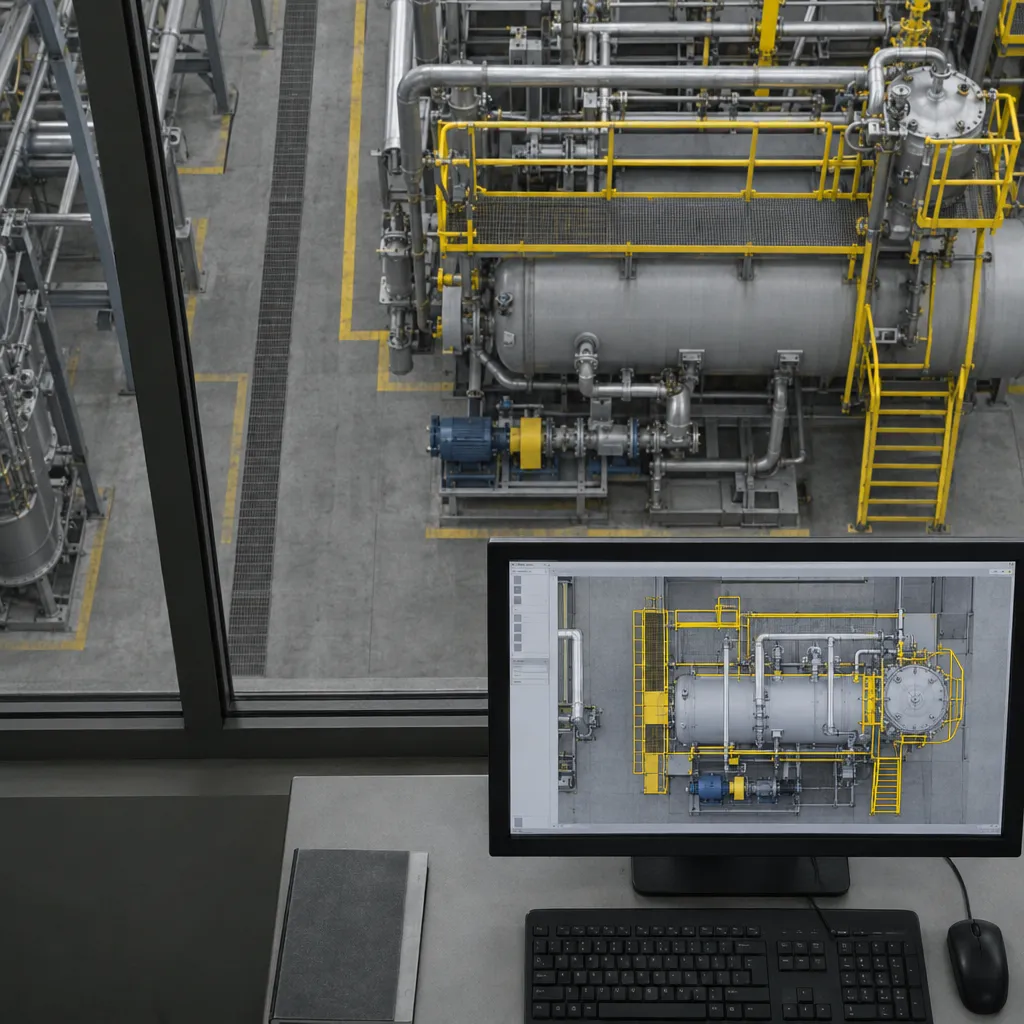
02 / 07
Installation & Integration
Installation is setting the equipment. Integration is making it part of the operation: connecting it mechanically, electrically and through controls to whatever feeds it and whatever it feeds, then proving the handshakes work in both directions.
The two are not the same job and the second one is where projects overrun. A machine can be set, powered and running its own cycle while still being useless, because the conveyor upstream does not know when to release and the system downstream does not know when to take. Equipment that runs alone is not installed, it is delivered.
- Set, assemble and anchor
- Mechanical and electrical connection
- Controls handshakes to adjacent equipment
- Function checks before handover
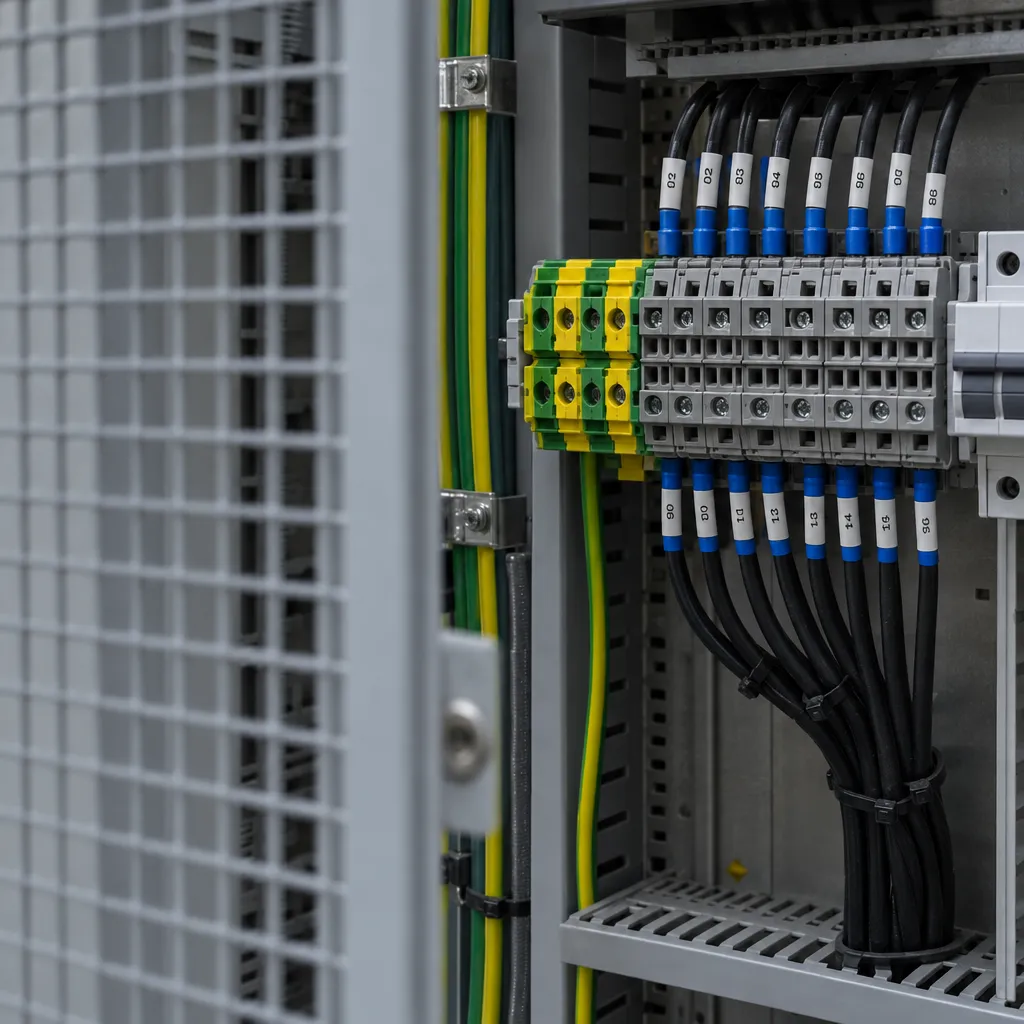
03 / 07
Controls & Electrical Integration
Controls integration is the logic and the wiring that make separate machines behave as one system. It covers PLC programming and logic changes, HMI screens, control panel build and modification, field device wiring, and the terminations that connect a new asset to existing power and signal.
This is usually the last discipline on site and the one with the least schedule left. It is also where an install meets the plant's real conditions rather than its documented ones: drawings that were never updated, spare I/O that turns out to be in use, and a safety circuit that has to be proven rather than assumed.
- PLC and HMI programming
- Panel build and modification
- Field wiring and terminations
- Safety circuits and interlocks
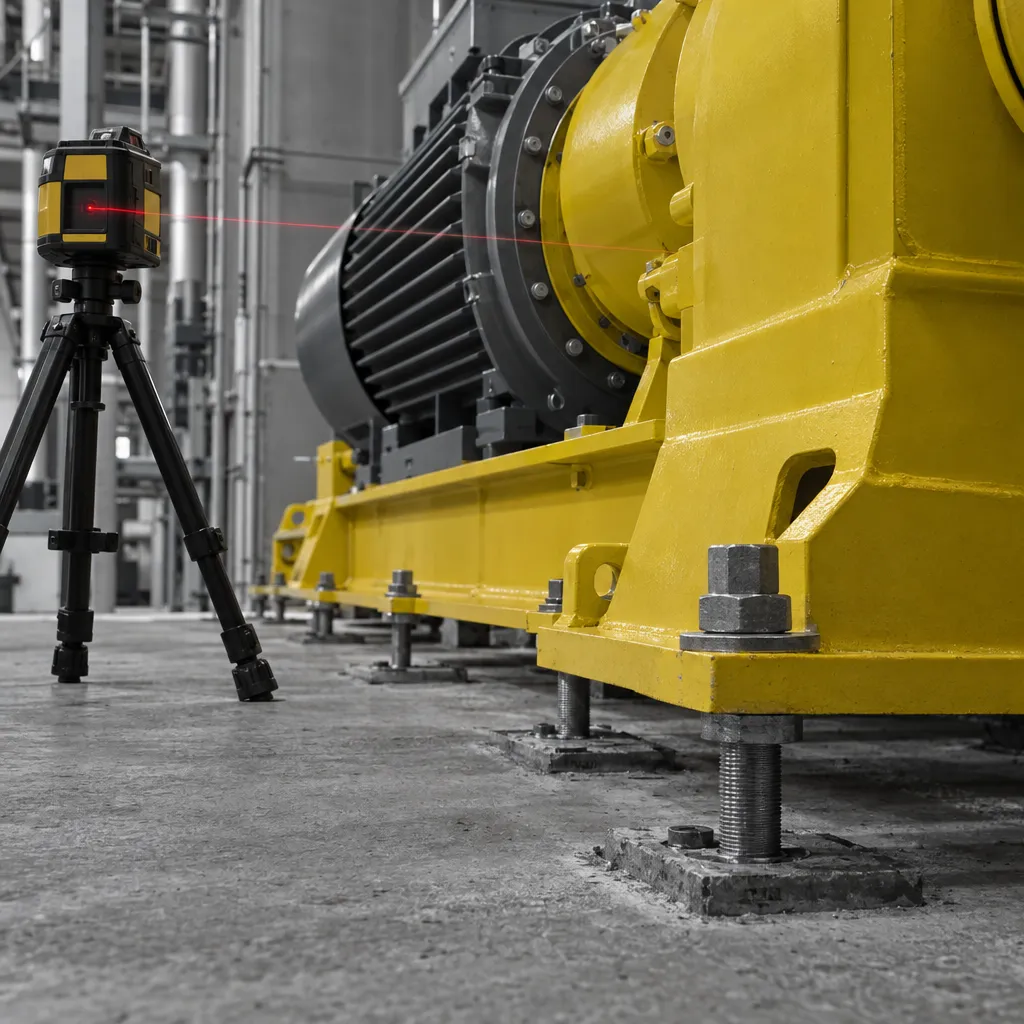
04 / 07
Millwright & Rigging
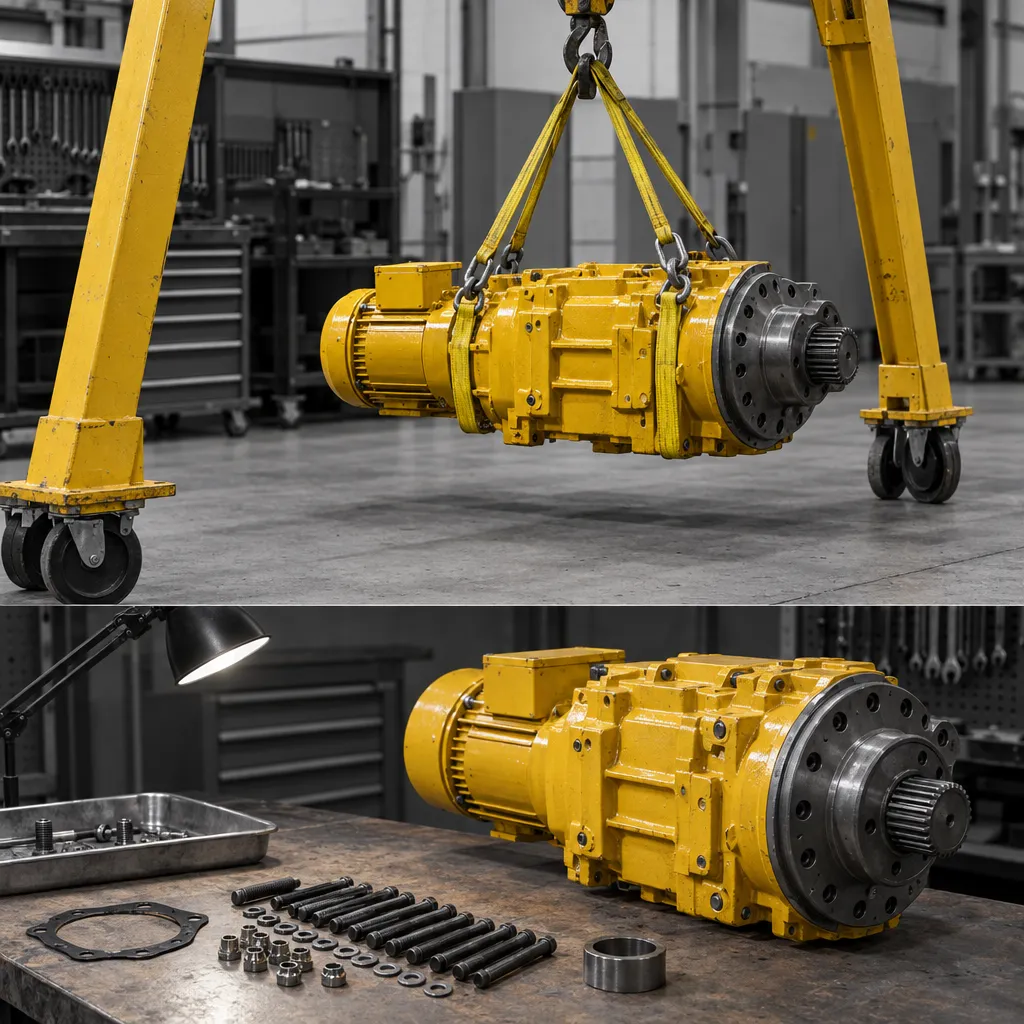
Rigging moves the machine. Millwright work makes it a working machine once it lands: leveled, aligned, anchored and connected. The lift is judged on the load path, the millwright work on the tolerance the equipment holds afterward.
A lift can go perfectly and still leave a problem, because misalignment does not stop a machine on the day it is set. It shows up months later as bearing temperature, coupling wear and vibration in everything bolted nearby, and it gets logged as a bearing failure rather than as an install that was never finished.
- Rigging and machinery moving
- Precision leveling and laser alignment
- Anchoring and grouting
- Decommissioning and removal
05 / 07
Fabrication & Modifications
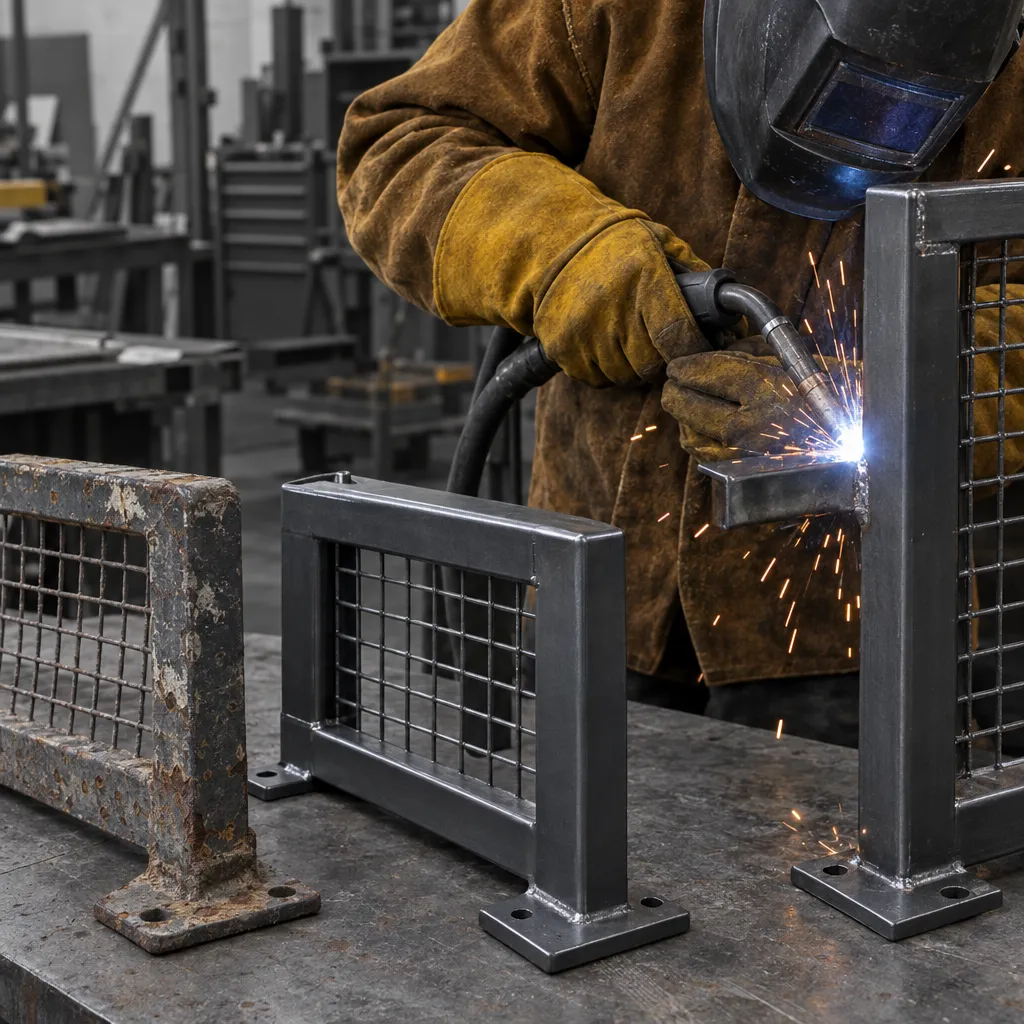
Fabrication is the work of making the part that does not exist. Transfers between two machines that were never meant to meet, frames and supports, guarding shaped to a specific footprint, platforms and handrails for access, and modifications to equipment already in service.
Every facility runs on some amount of it, whether or not anyone planned to. The alternative to a fabricated part is usually a workaround that costs a few minutes every shift, and those are the losses that never appear in a downtime report because the line never actually stopped.
- Transfers, frames and supports
- Guarding built to the footprint
- Platforms, handrails and access
- Modifications to installed equipment
06 / 07
Line / Facility Relocation
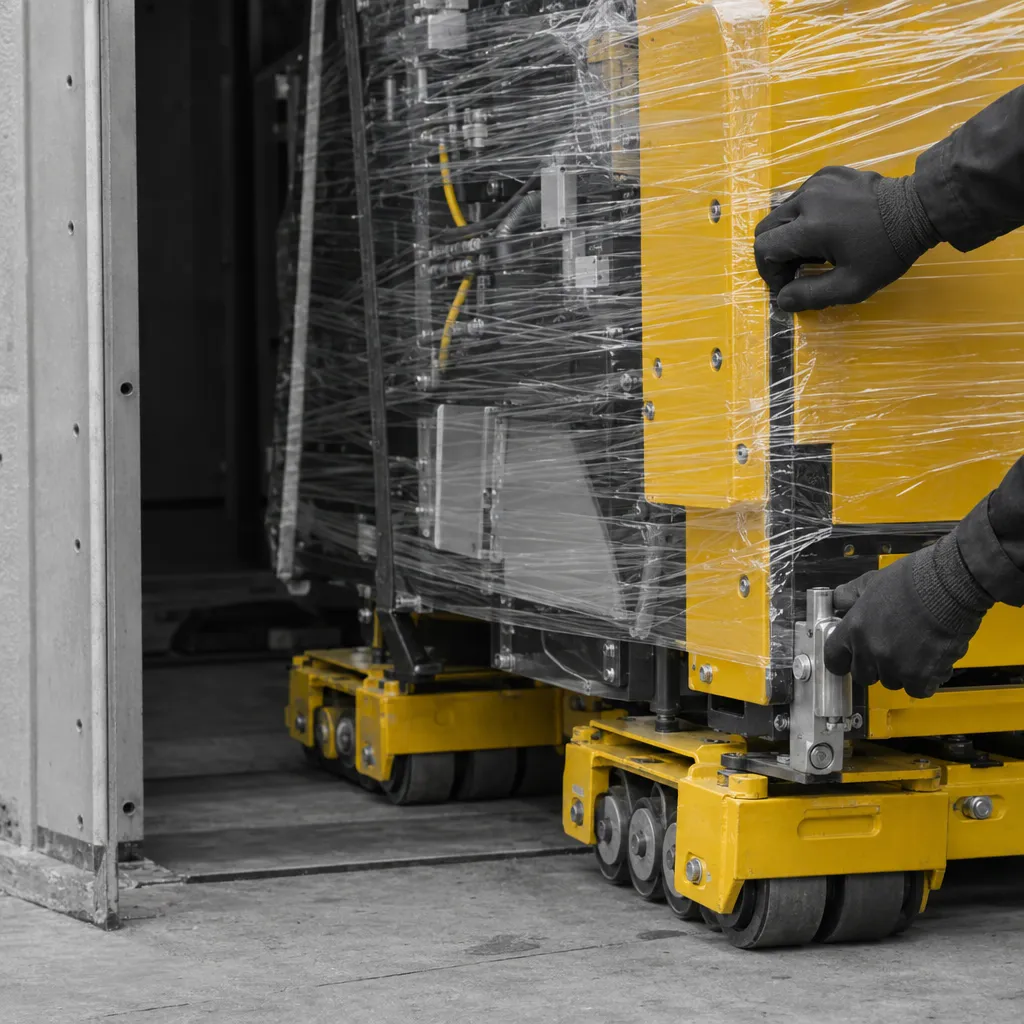
A relocation is a shutdown, a move and a startup, and the move is usually the least risky of the three. It scales from a single machine repositioned inside one building, through a line rearranged across a plant, to a complete facility relocated across states.
The measure of the job is not whether the equipment arrived. It is how long the line takes to make good product at the other end, and that number is decided by the mapping done before anything is unbolted: match-marking, tagging and the as-found record of shim stacks, alignment readings and elevations.
- Pre-move planning and budgeting
- Machinery mapping and as-found record
- Decommissioning and disassembly
- Reassembly and restart
07 / 07
Commissioning & Startup
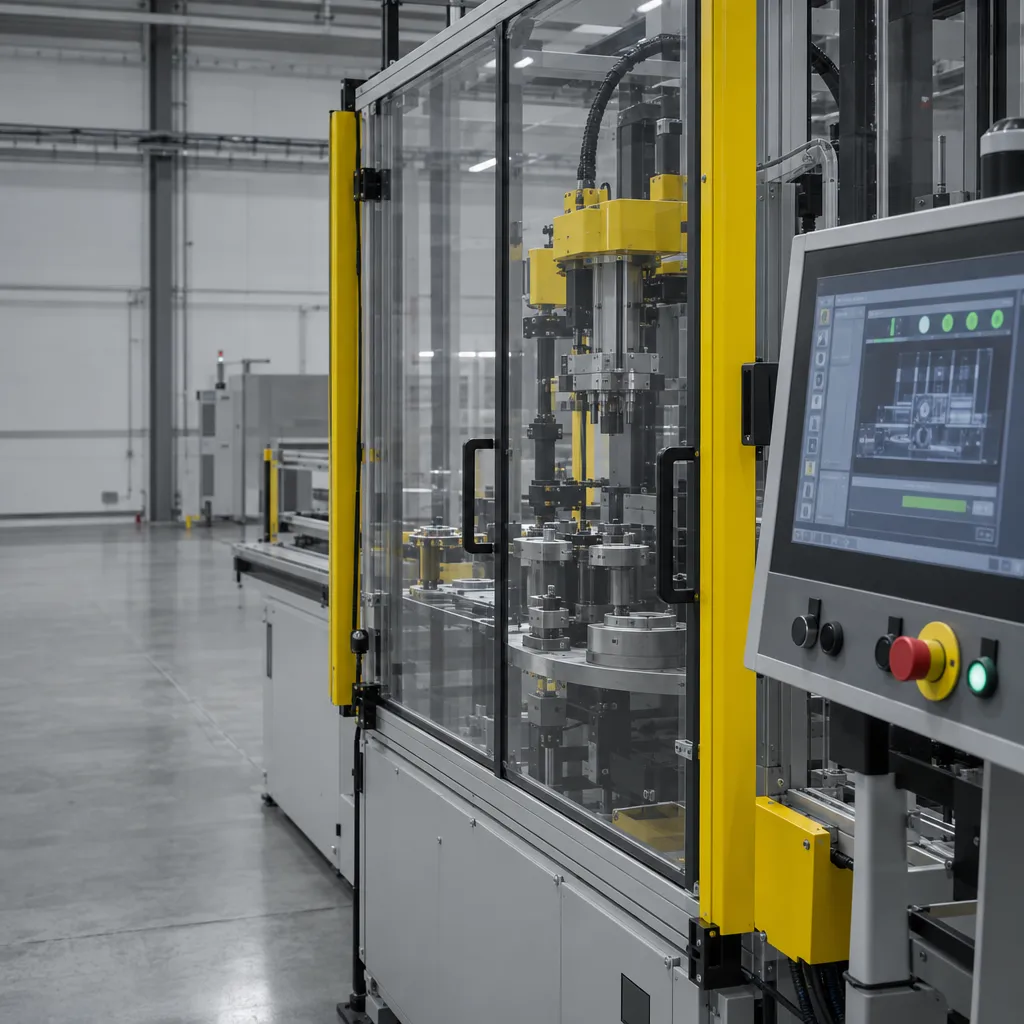
Commissioning is the process of proving a system does what it was bought to do, in the building it was installed in, at the rate it was specified for. Sensors get verified, sequences get run, faults get induced deliberately to check the response, and the operation is watched under real product rather than test loads.
The gap it closes is between a machine that runs and a machine that runs your product. Equipment that cycles perfectly empty can fail on a full pallet, a cold tote or a case that sits a few millimetres off, and finding that during commissioning costs a day. Finding it during production costs a shift.
- Sensor and device verification
- Sequence and fault testing
- Run-in under real product
- Handover and operator familiarisation
Next step
Have a defined project?
Discuss the project, or ask for a facility audit for a broader look at the operation.