Service & Support
Modernize Existing Equipment & Controls
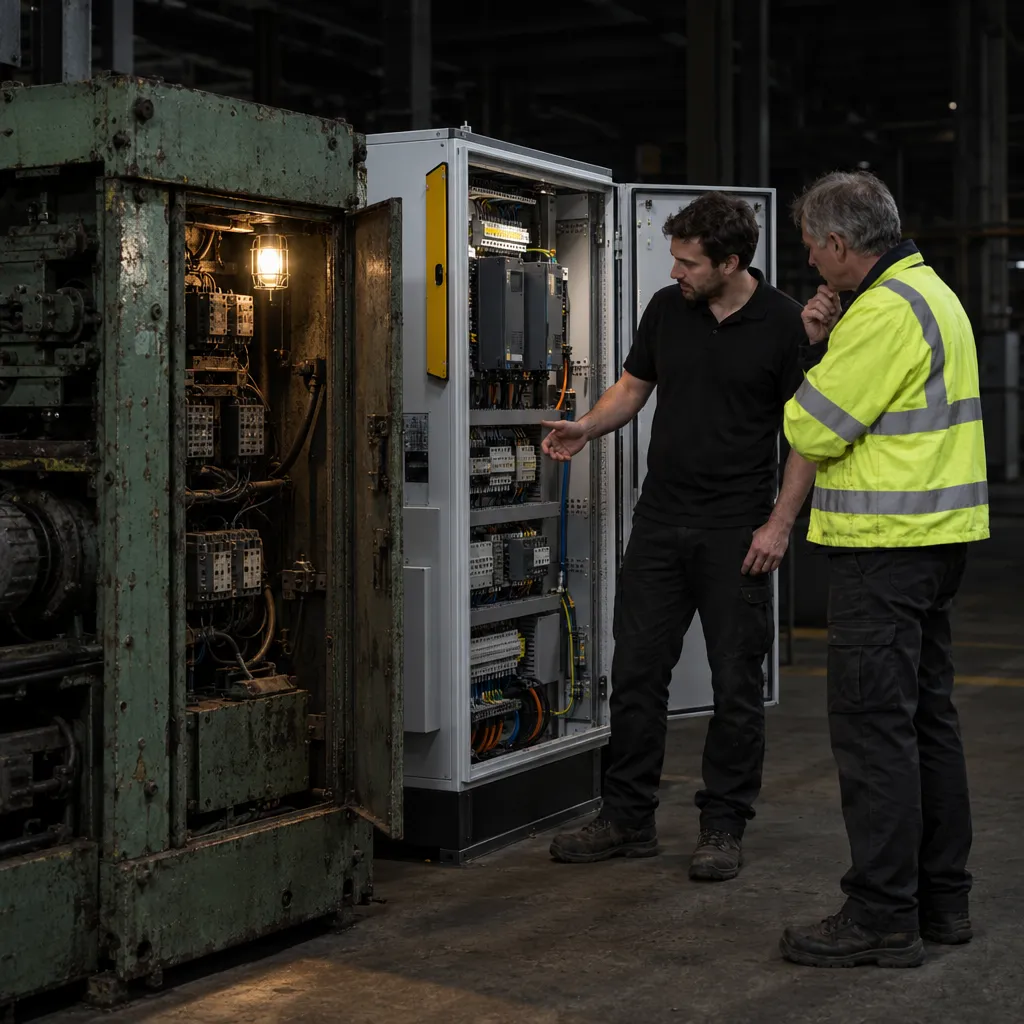
Existing equipment may still be worth keeping even when controls, components, reliability or access have fallen behind. Steel Square can retrofit and modernize the parts of the system that need to change while preserving equipment that still makes operational sense.
What we see
Retrofit & Modernization Candidates
- Aging controls that are hard to support
- Obsolete components on a working machine
- A system worth keeping but not as-is
Replacing What Expired, Keeping What Did Not
A retrofit keeps the mechanical asset and replaces what has aged out around it. A modernization is the same idea at a larger scale, bringing an installed system up to a supportable standard without replacing the machine underneath.
The case for both rests on one fact: the halves of a machine age at very different rates.
Two Clocks on One Machine
A well-built frame, gearbox, drivetrain and structure can run for decades under maintenance. The platform controlling it goes unsupported in ten to fifteen years, and the sensors, drives and operator interface age faster still.
Replacing an entire machine to fix the half that expired is often the more expensive option, and it carries the larger risk: a new machine means new footprint, new interfaces, new training and a new commissioning window, where a retrofit keeps the parts of the operation that already work.
Controls Modernization
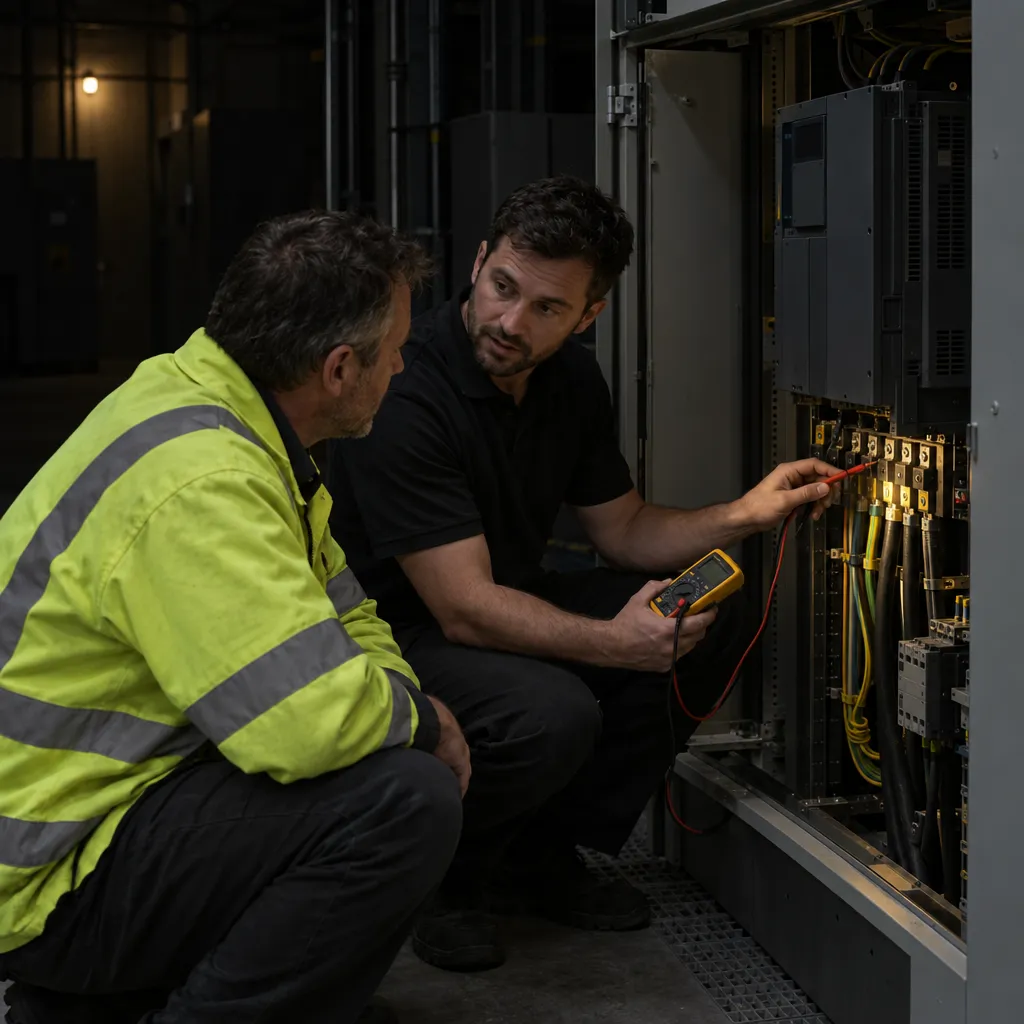
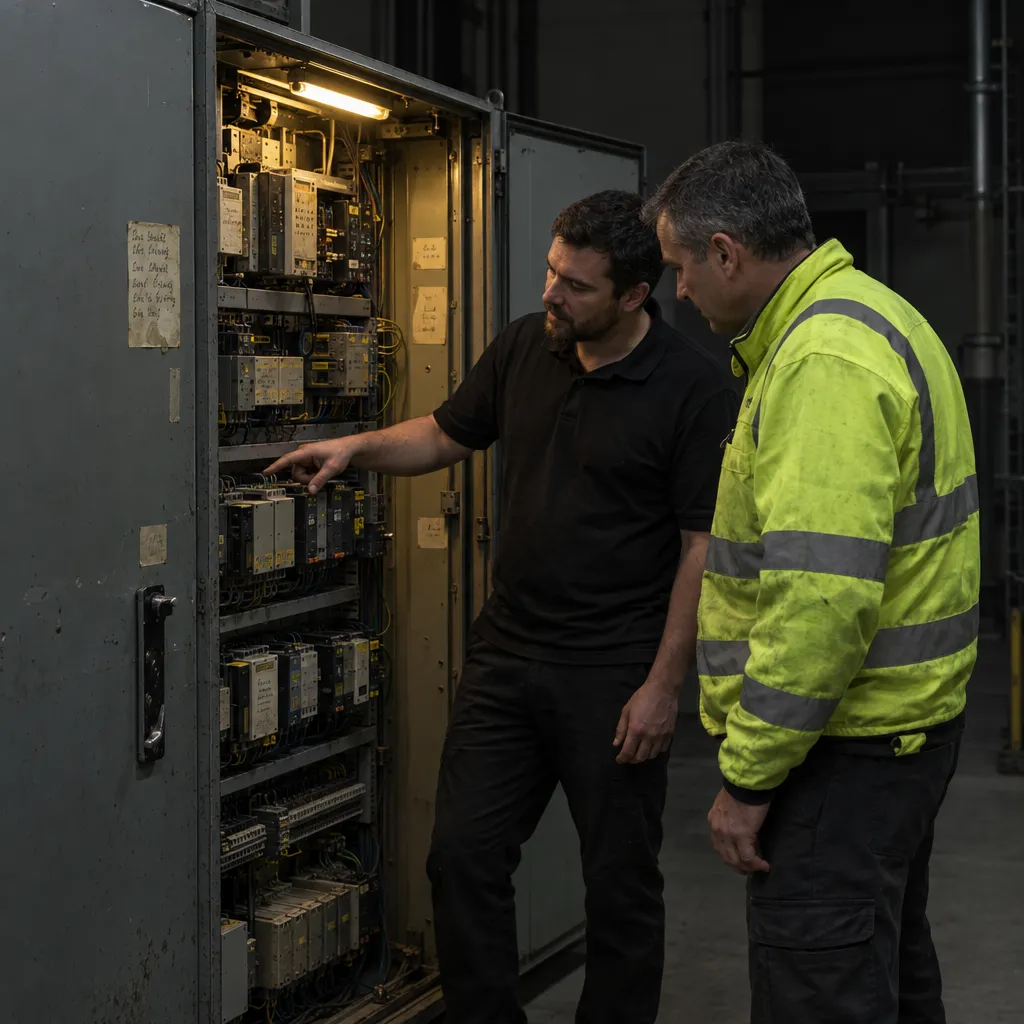
Older PLCs, HMIs, sensors and control components can become difficult to support before the mechanical equipment reaches the end of its useful life. Steel Square can evaluate replacement components and controls upgrades as part of a larger modernization plan.
The scope usually runs wider than the processor. Drives, network hardware, the operator interface and the safety circuit tend to belong to the same generation, and replacing one of them without the others moves the problem rather than solving it.
Mechanical & Field Modifications
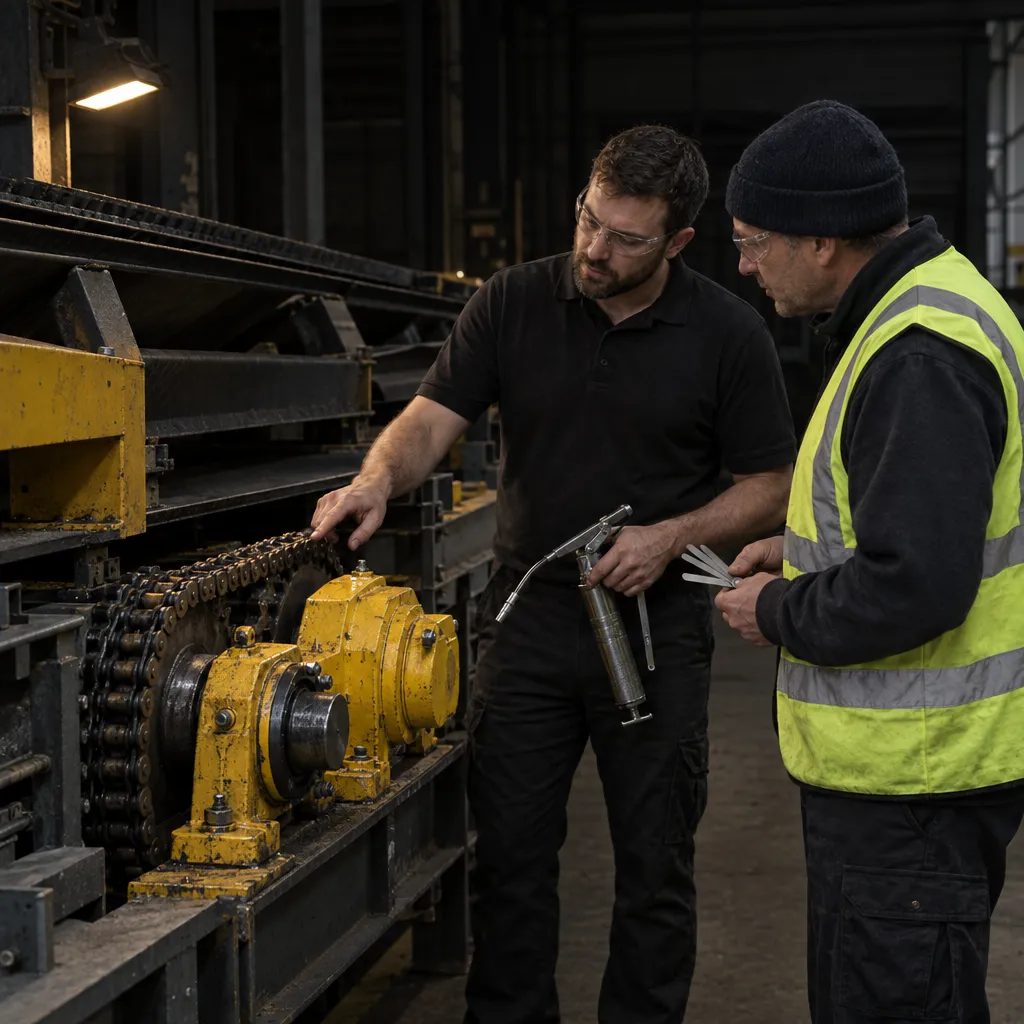
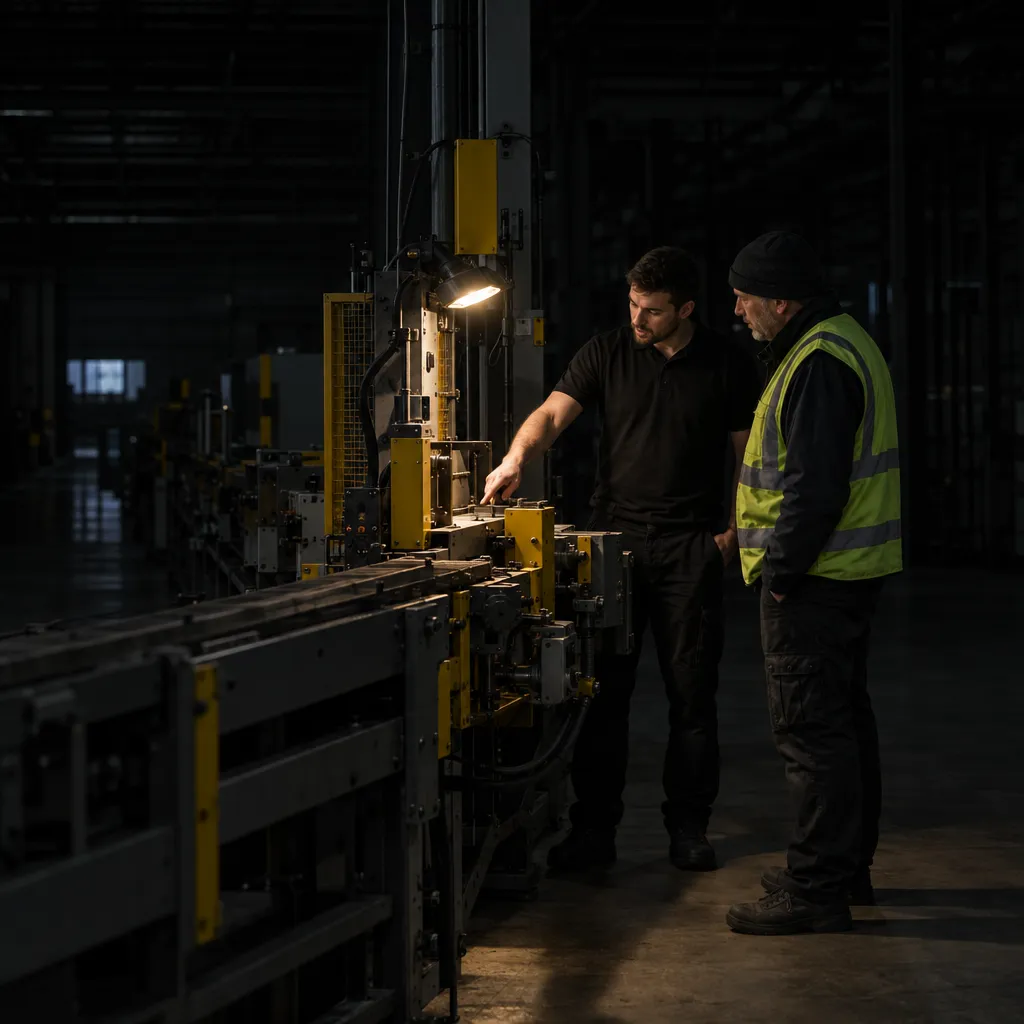
Modernization can also require guarding, brackets, platforms, enclosures, cable management or other physical changes around the existing machine, because new components rarely share the footprint of the ones they replace.
Integrating New With Existing
A retrofit has to work inside an older system without replacing everything around it. Steel Square can connect the mechanical, electrical and controls work so the new components function with the equipment that remains.
That boundary, where a current platform has to talk to equipment built decades earlier, is the technical heart of a retrofit and the part most likely to be underestimated.
What a Retrofit Can Buy Beyond Support
A modernization is usually justified on obsolescence, but it rarely stops there. Current controls bring diagnostics the original never had, which shortens the next fault. They bring remote visibility of a machine’s state. And they make the next change cheaper, because the platform will still be supported when it comes.
Equipment & systems supported
- Industrial Controls & ElectricalPLC, HMI, panels, sensors, electrical integration, troubleshooting and modernization.
- ASRS & Automated StorageIntegration, repair, retrofit, controls and lifecycle support for automated storage systems.
- Conveyor & Material FlowEquipment, controls and process improvements for moving cases, totes, carts and pallets through the facility.
Equipment Serviced
- AGV & AMR fleets
- Accumulation conveyor
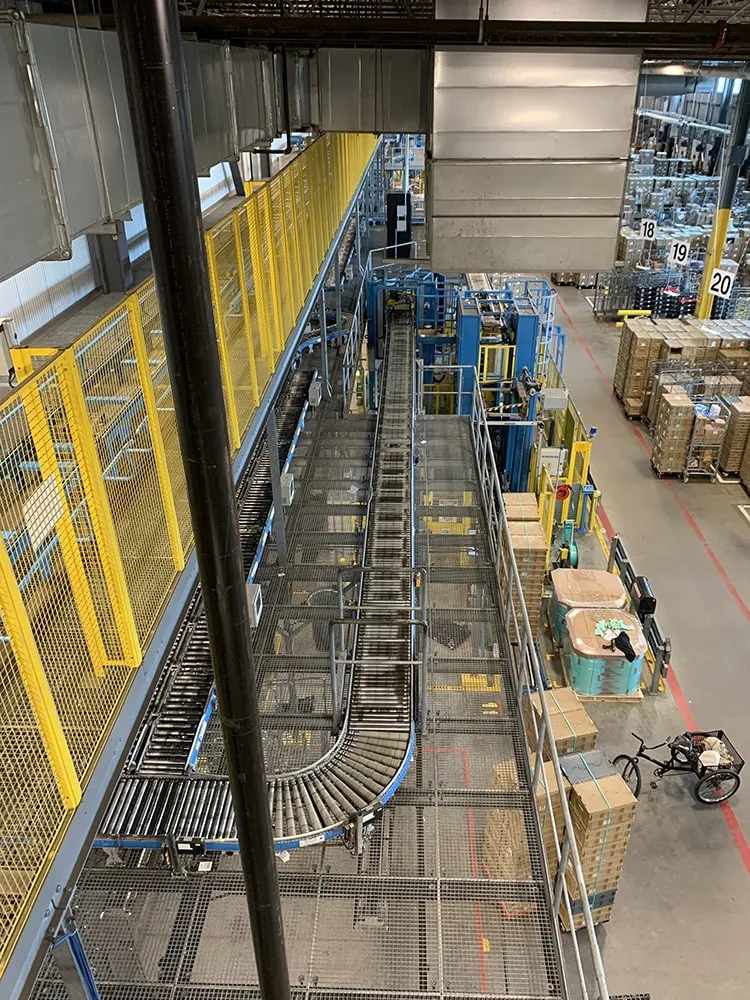
- ASRS cranes
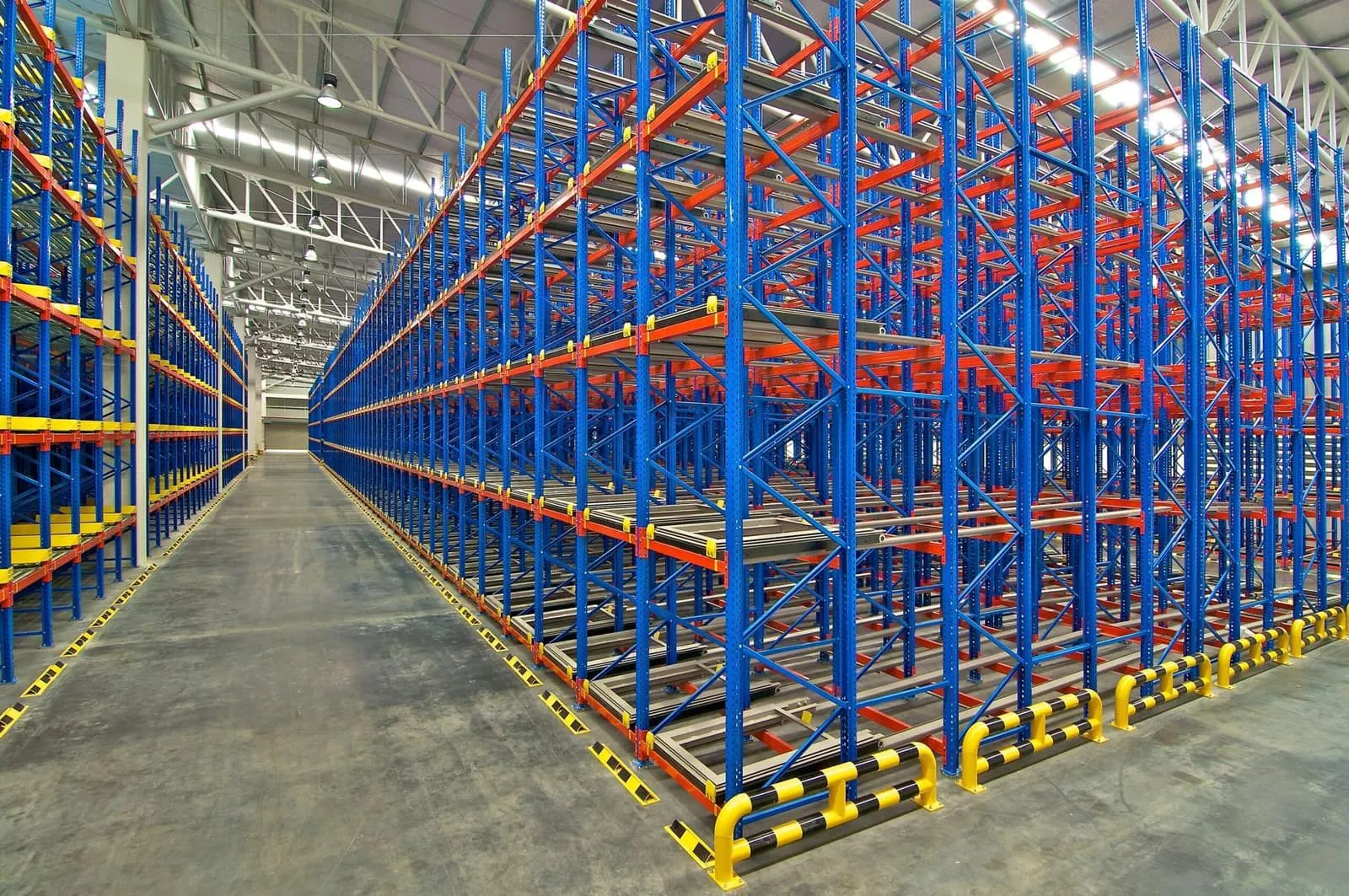
- Automated picking & dispensing
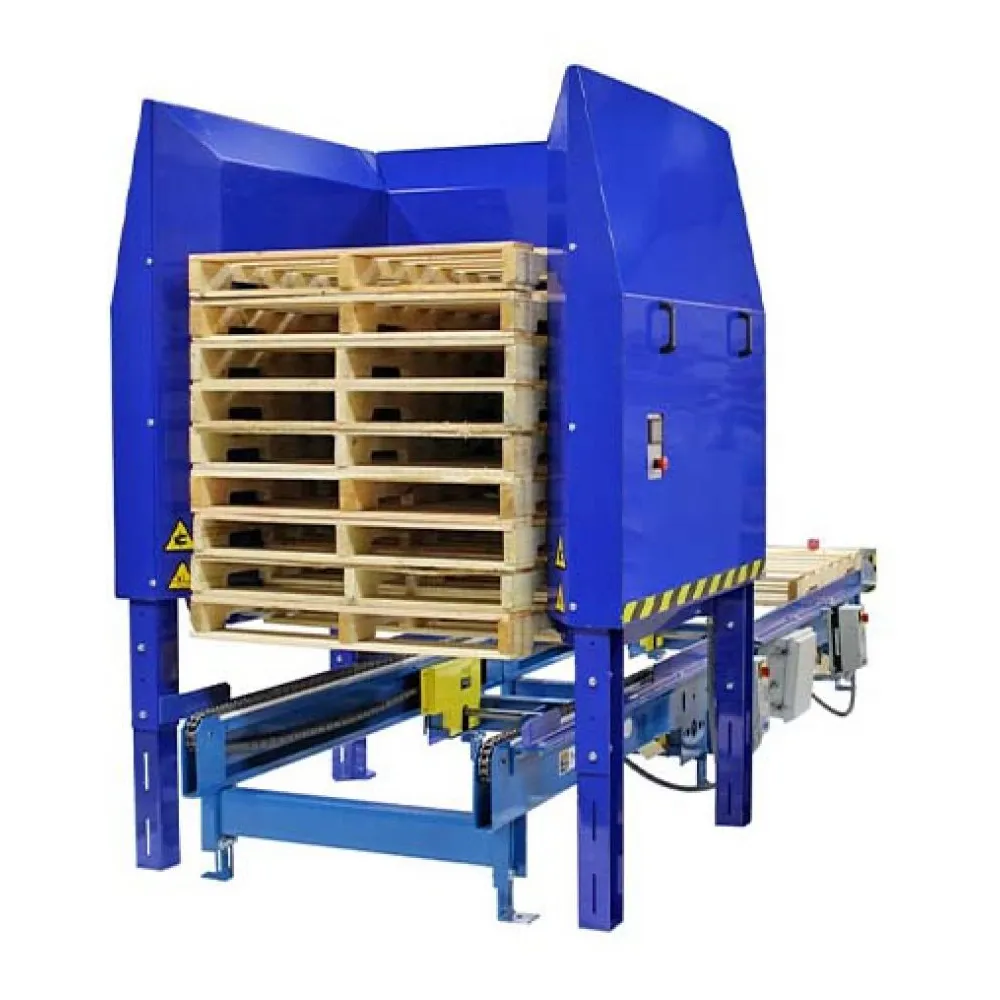
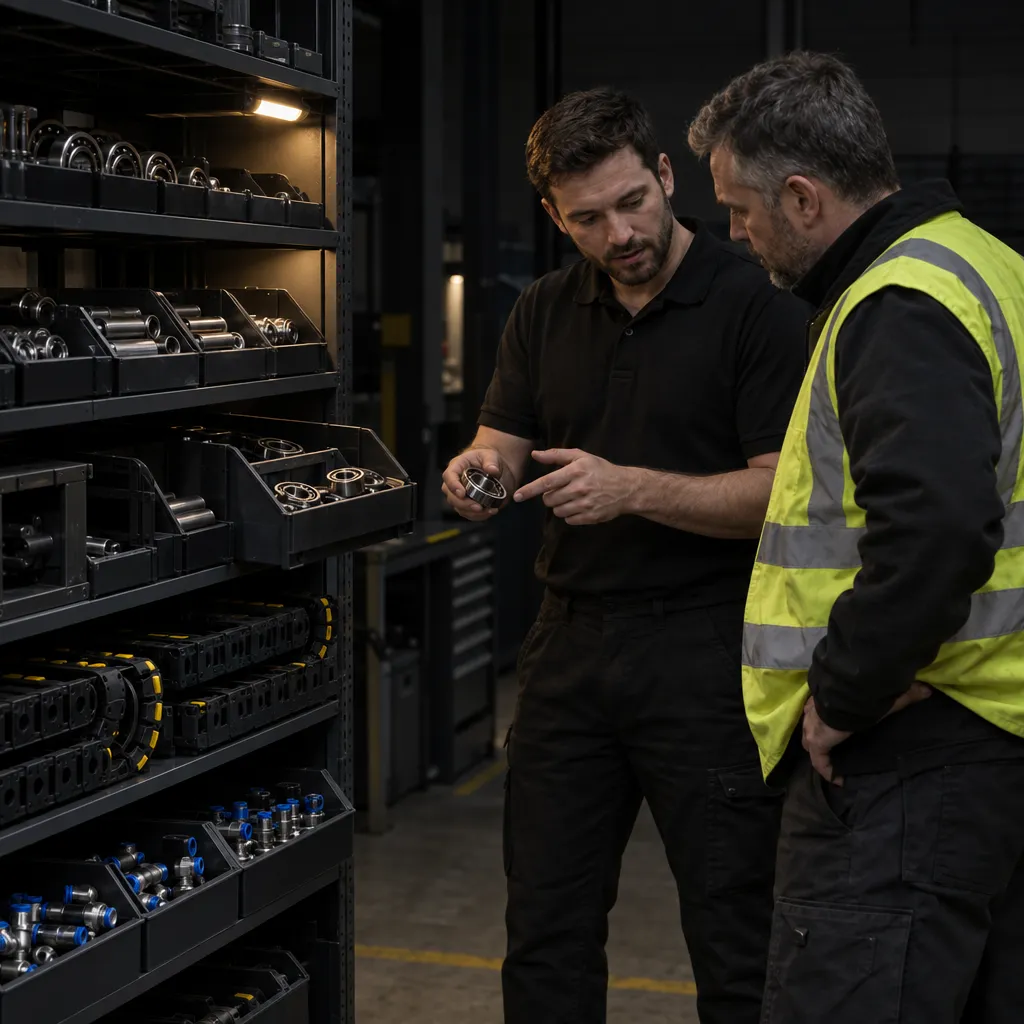
- Bearings & rollers
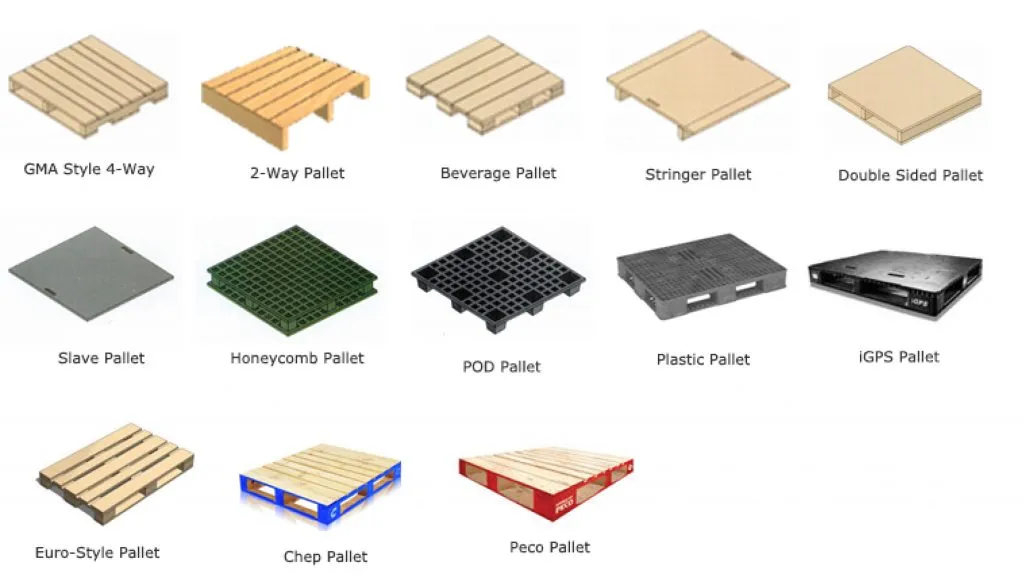
- Bollards & barriers
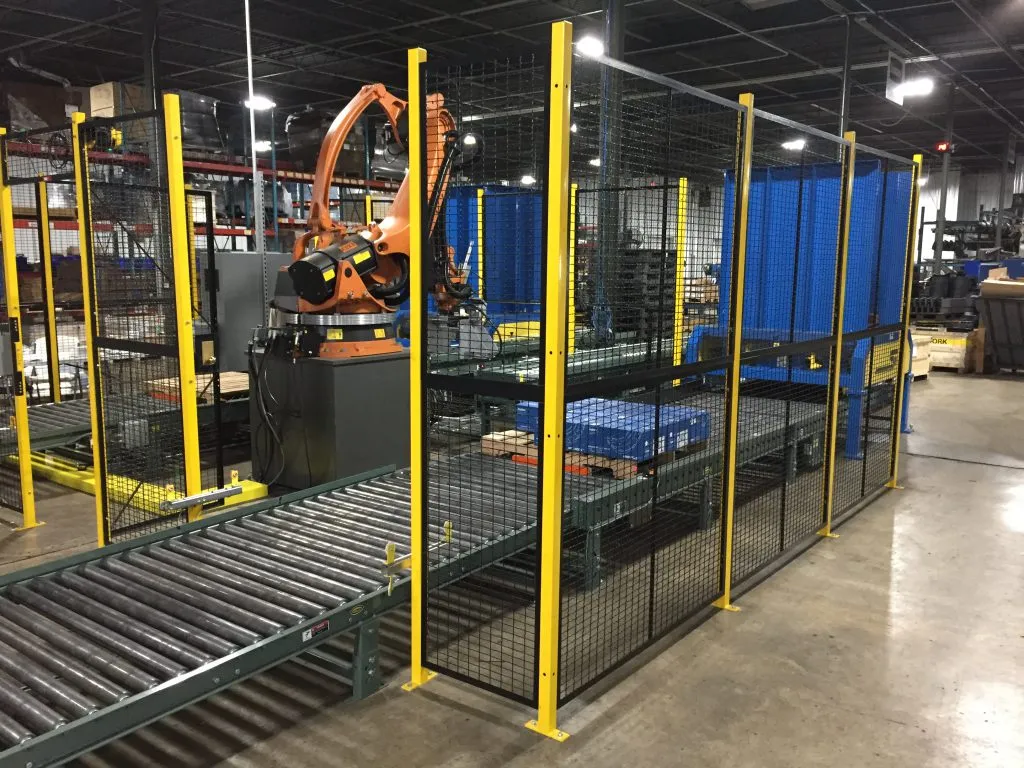
- Cable carriers
- Carousels
- Cart-loading & carriage systems
- Conveyor systems
- Diverters & mergers
- Dock & material flow
- Dumpers & tippers
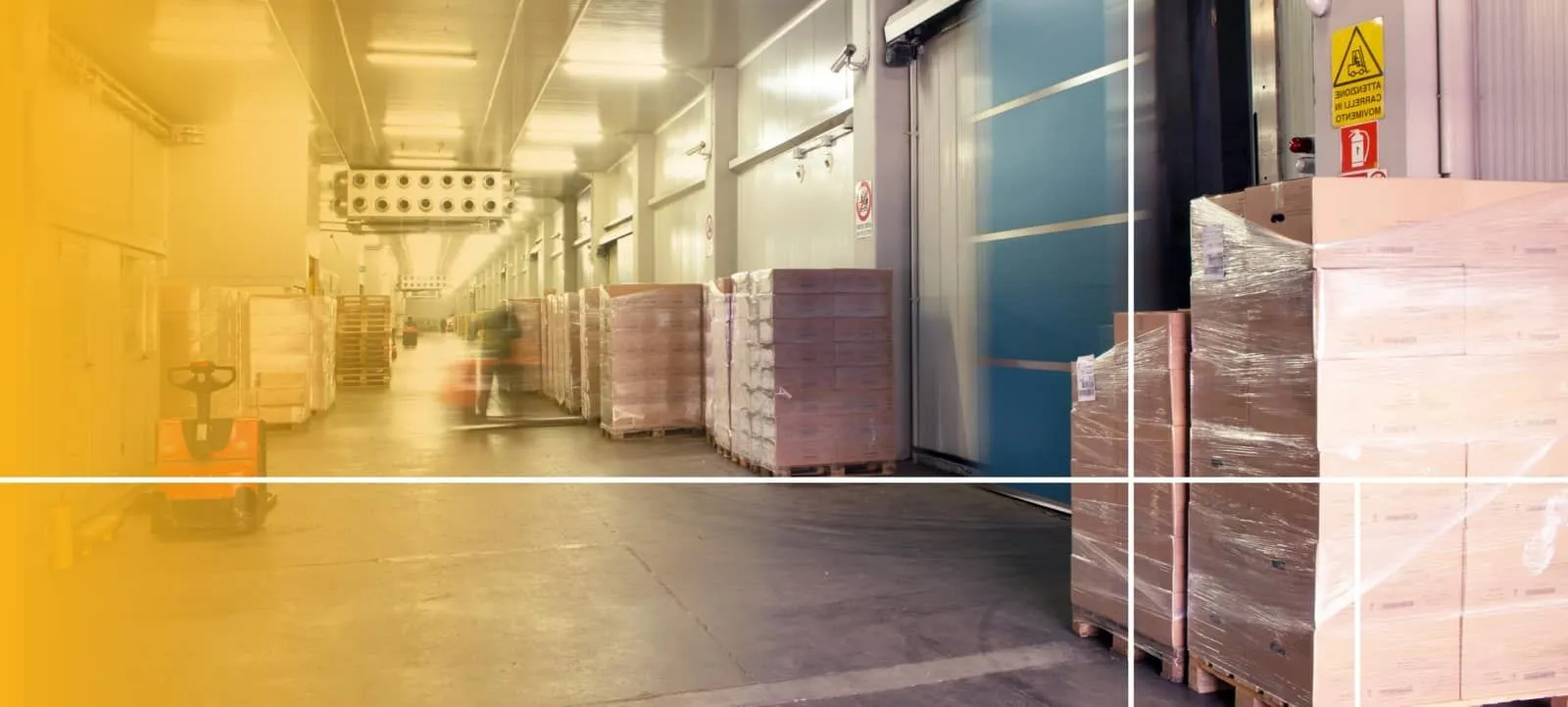
- Freezer spacers
- Guarding & fencing
- HMI & operator interfaces
- Industrial control panels
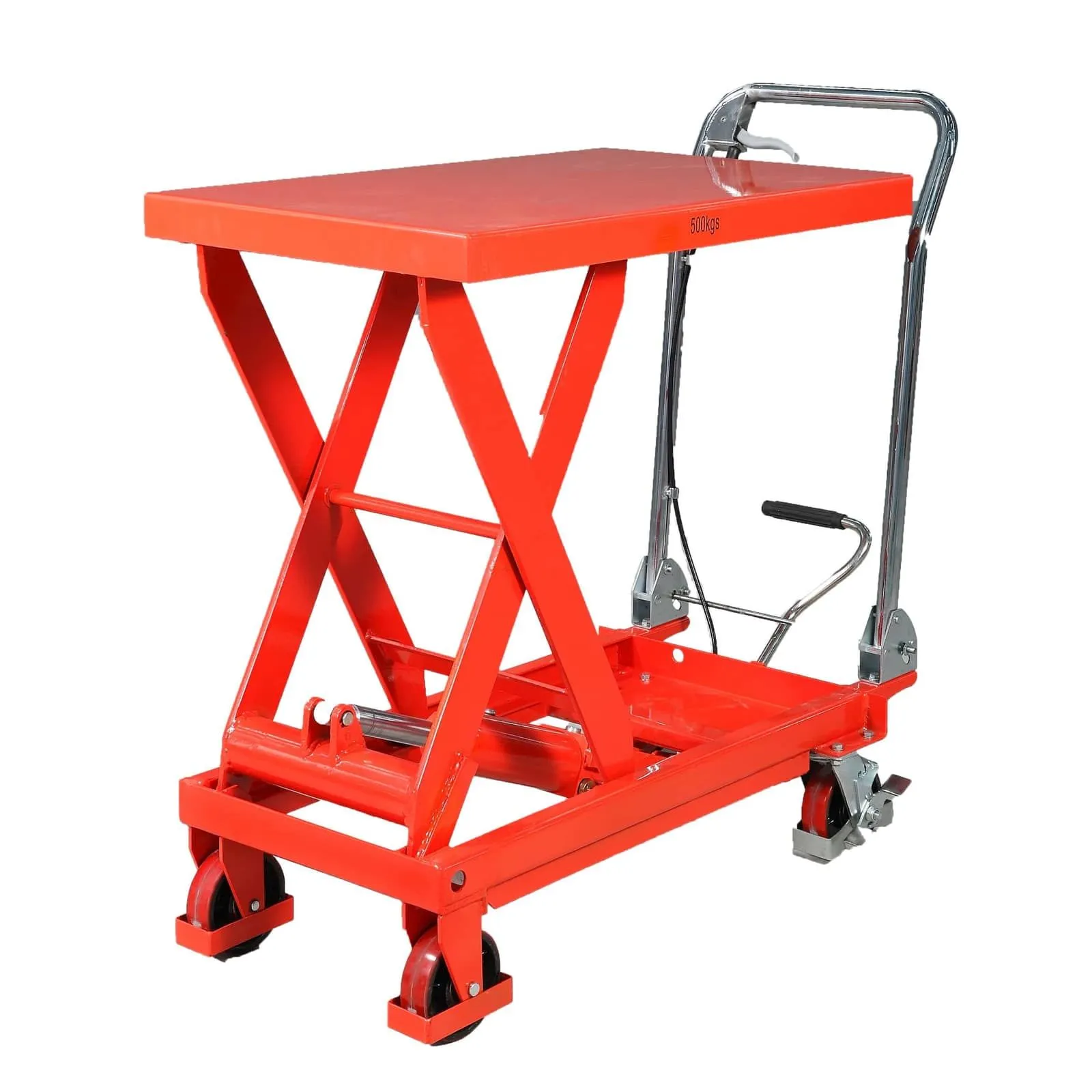
- Lift tables
- Load transfer systems
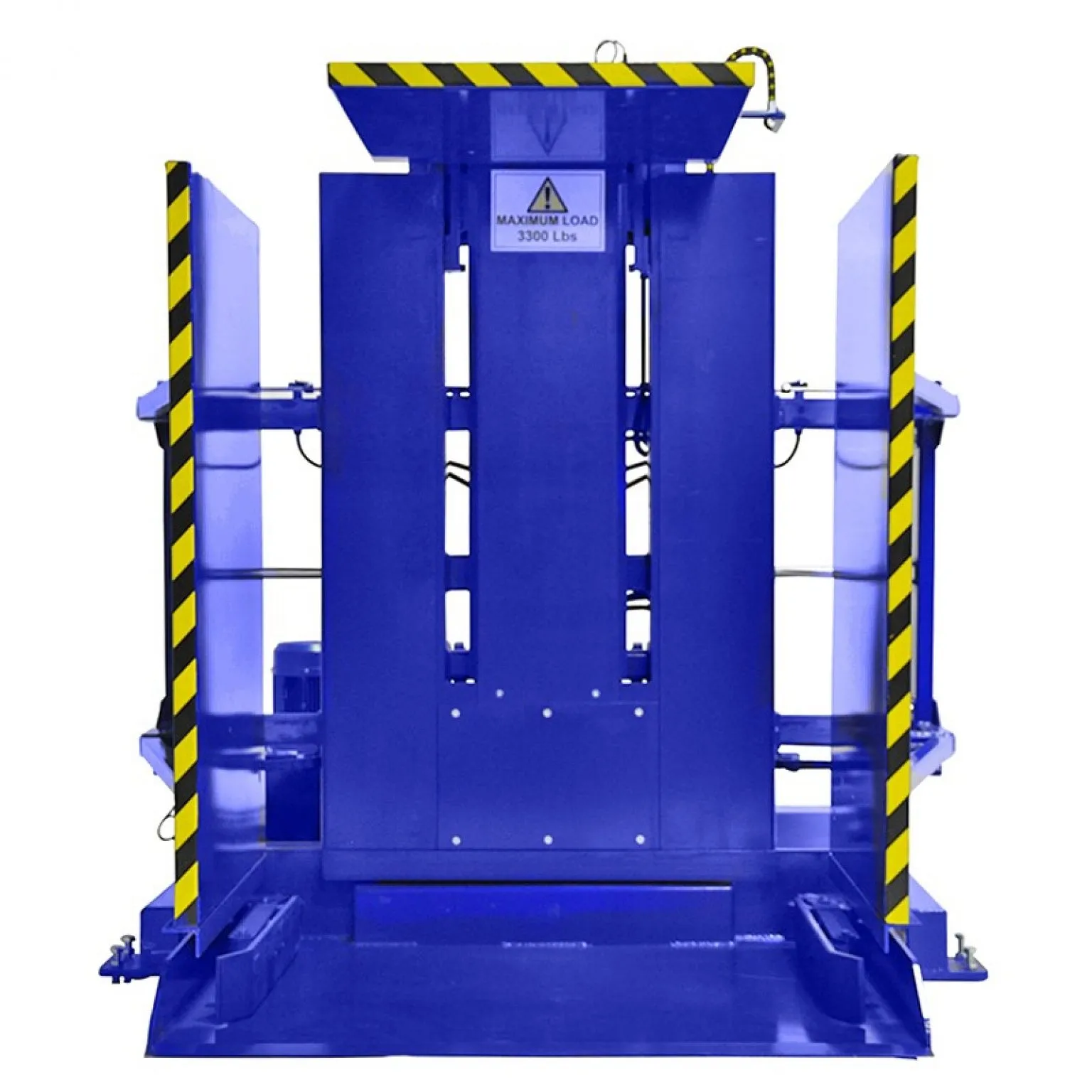
- Mezzanines & platforms
- Mini-load ASRS & AKL
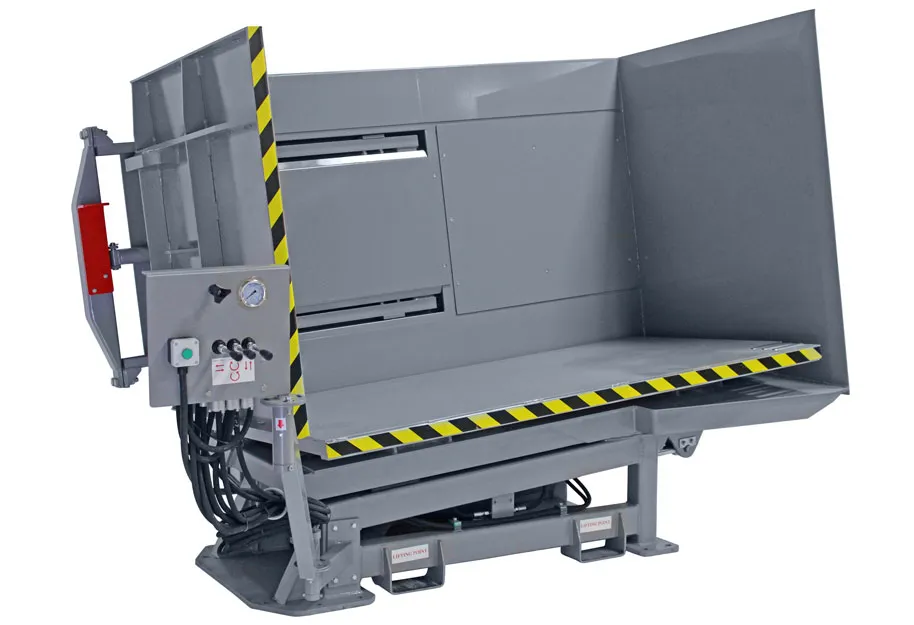
- Pallet changers
- Pallet dispensers
- Pallet inverters
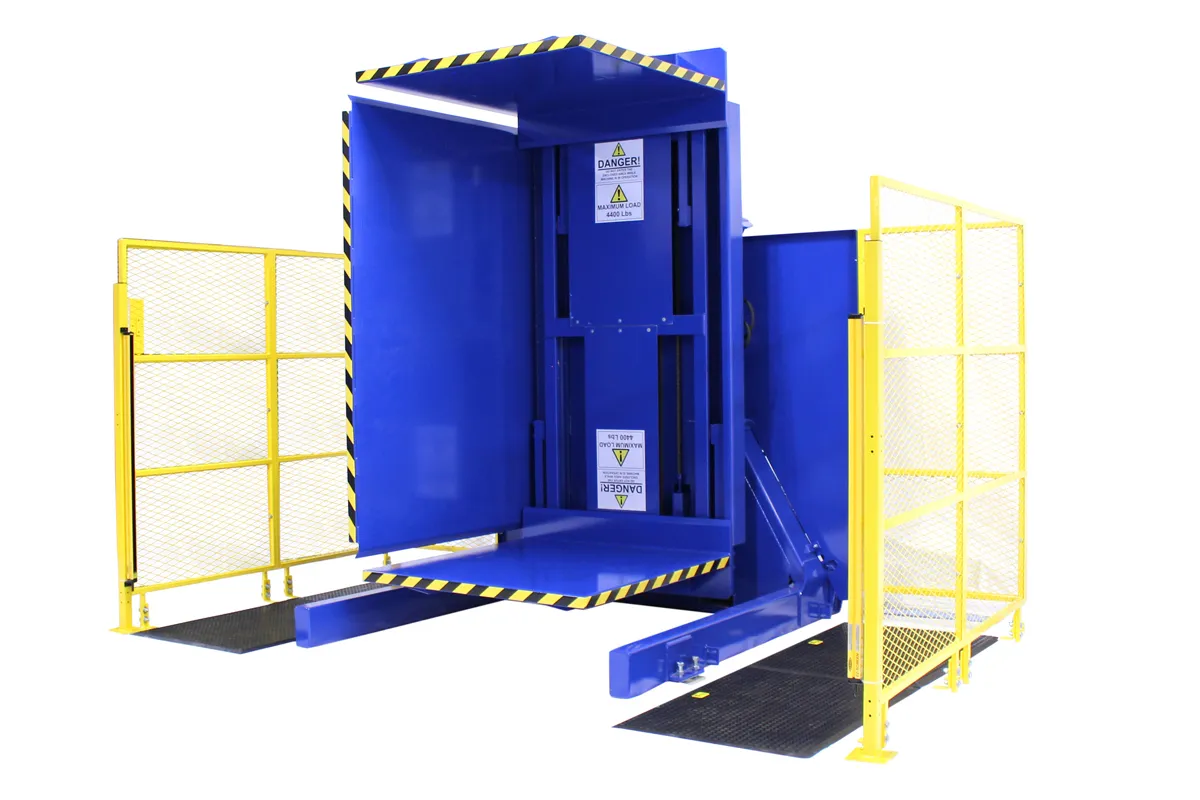
- Pallet stackers
- Pallet straighteners
- Palletizers & depalletizers
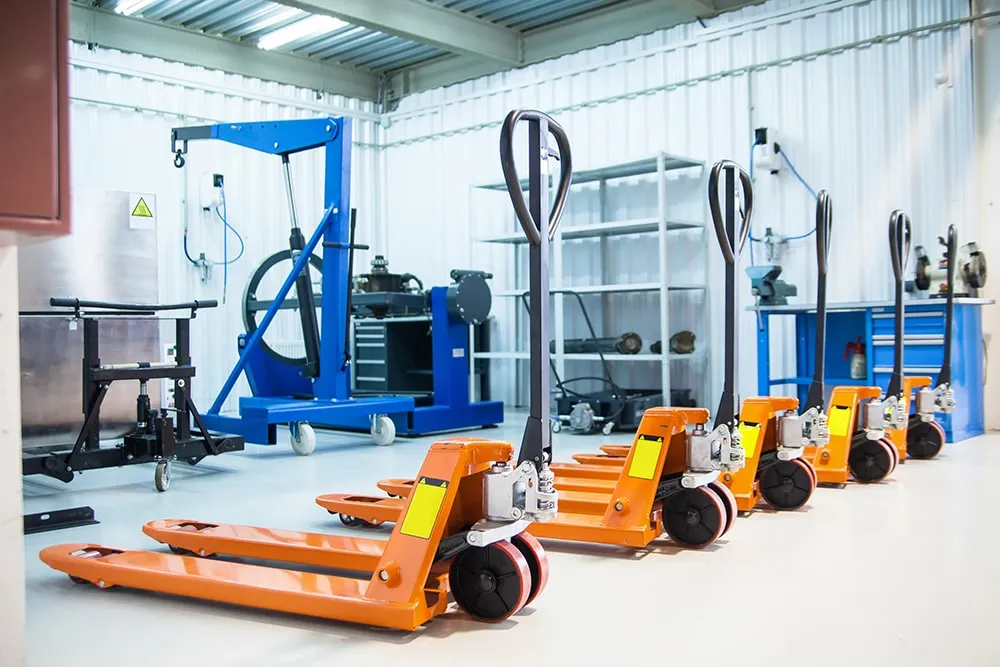
- Pallets, wood & plastic
- PLC & controls hardware
- Pneumatic components
- Racking & storage
- Receiving & shipping flow
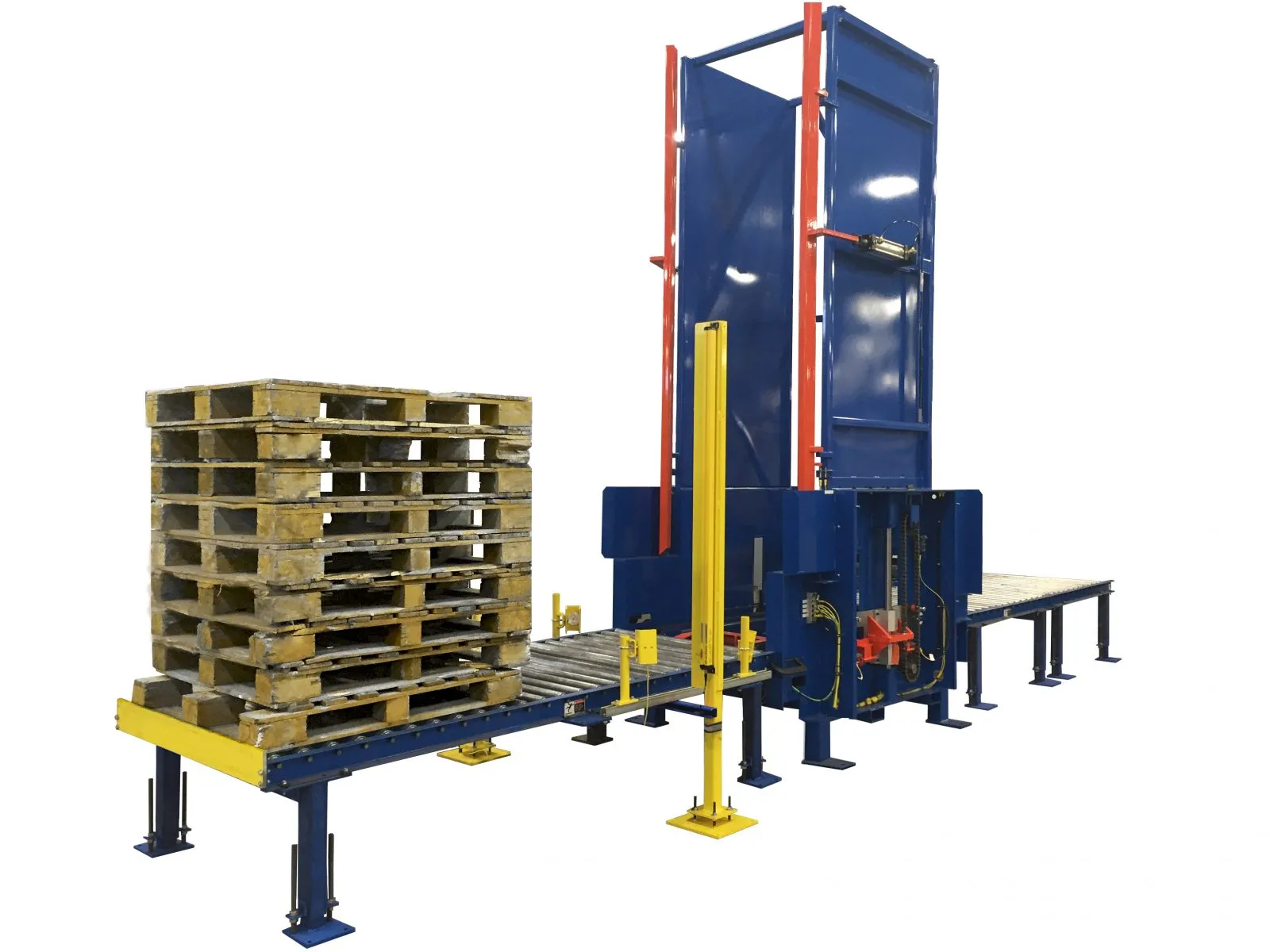
- Safety equipment
- Shuttles
- Sortation systems
- Spacer & pallet retrievers
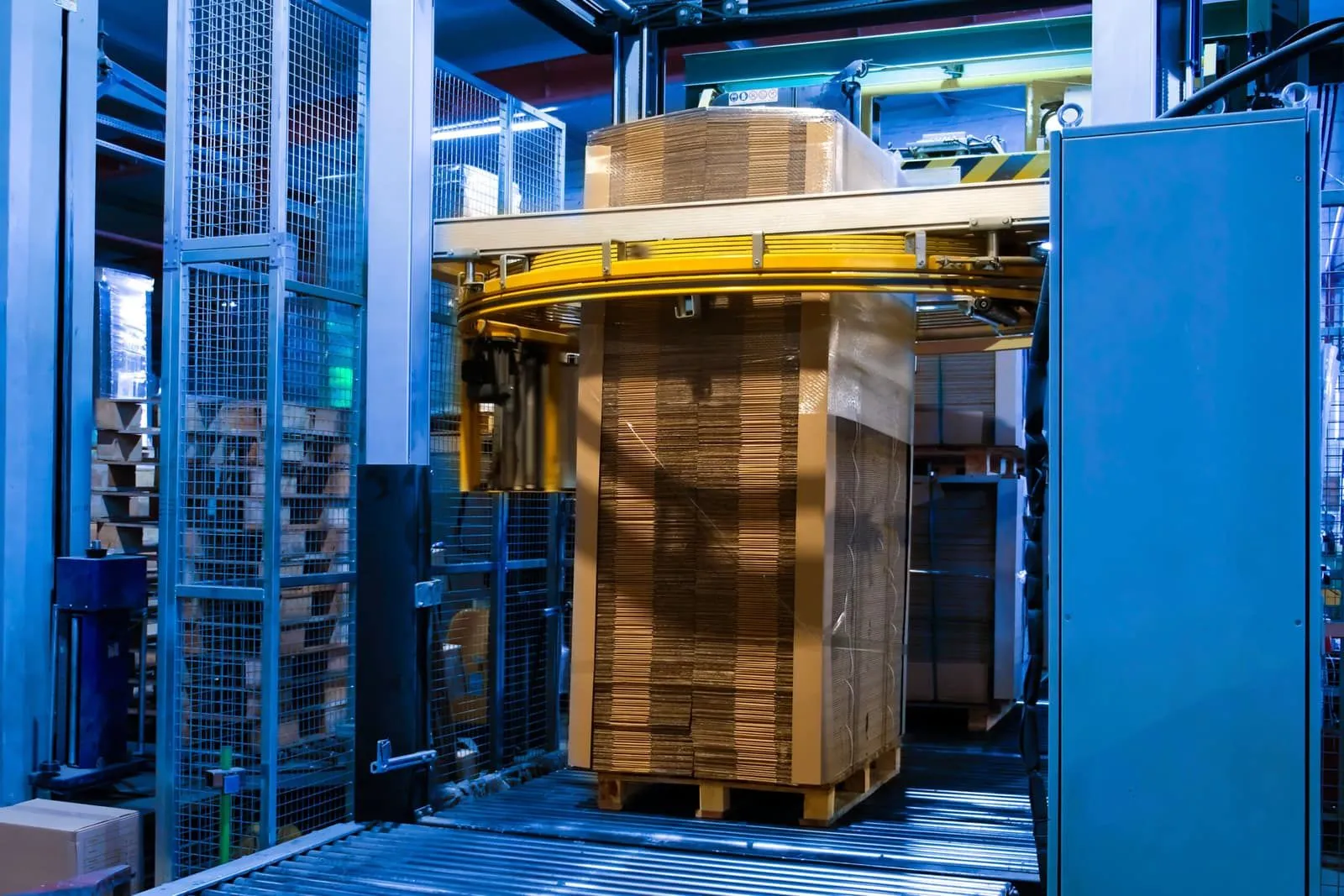
- Stretch wrappers
- Transfer cars
- Turntables & indexers
- Upenders
- Washing equipment
Next step
Tell Steel Square what is happening
Send the equipment, facility location and what it is doing now, or ask for a facility audit for a broader look at the operation.