
Project Execution
Industrial Equipment Installation & Integration
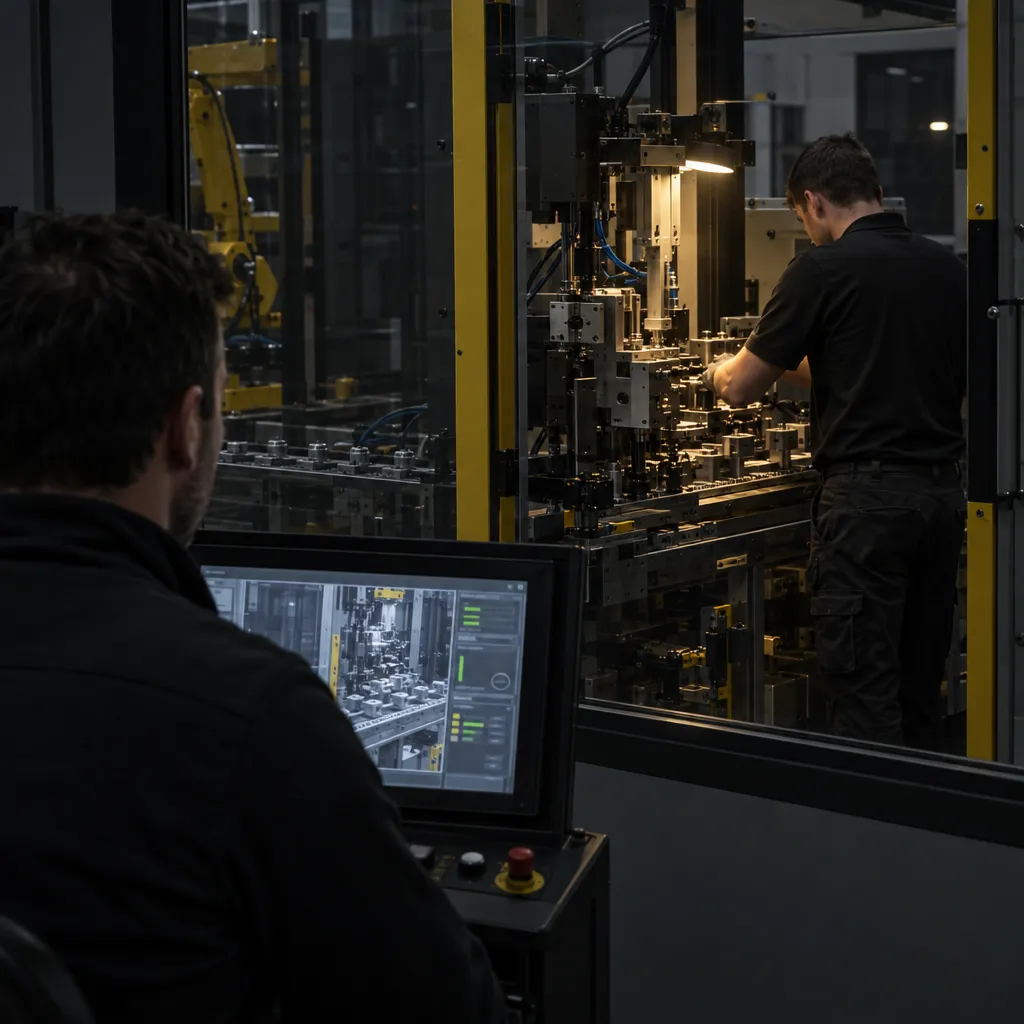
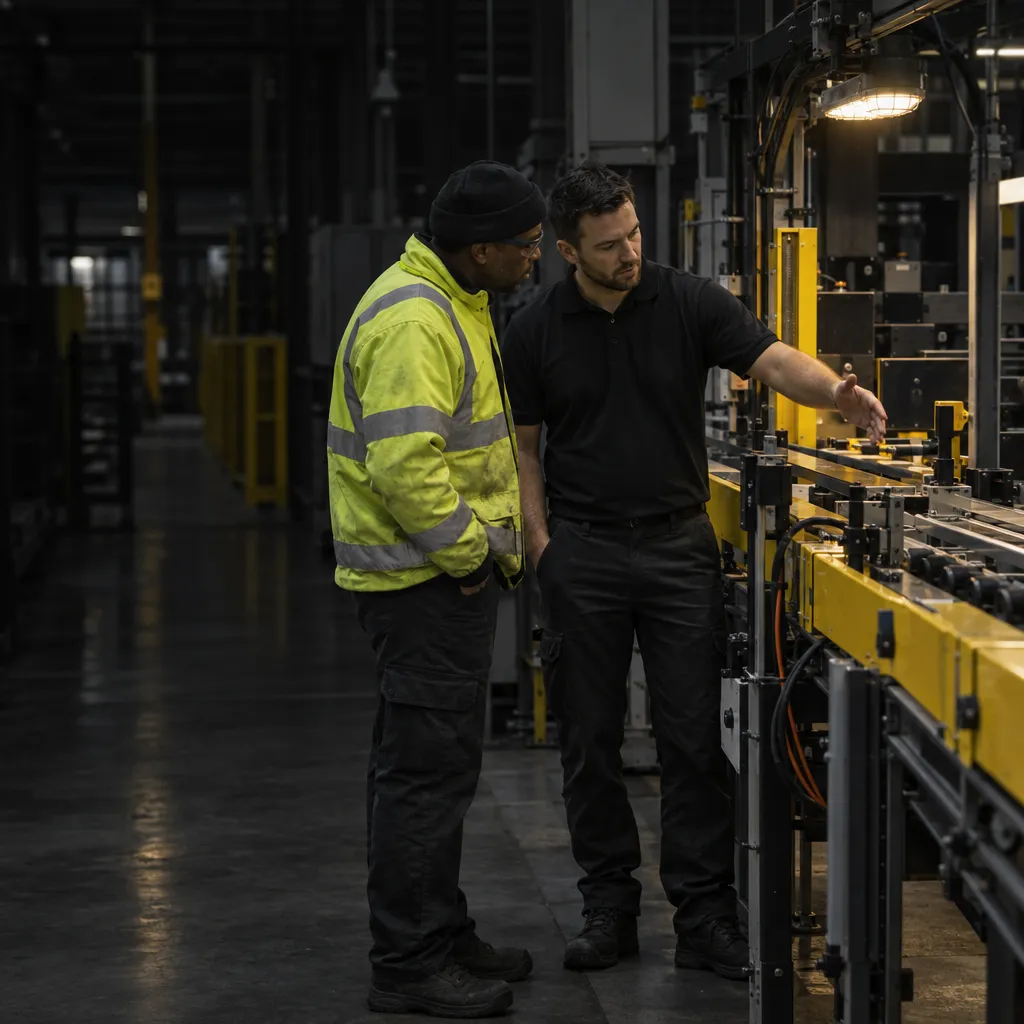
New equipment has to work with the facility around it. Steel Square can set, assemble, connect, integrate and launch machinery or systems across the mechanical, electrical and controls scope required by the project.
The trigger
Installation & Integration Scope
- New equipment has to work with the facility around it
- A machine needs setting, anchoring and connection
- Mechanical, electrical and controls scope must align
- An install has to integrate into an existing line
Installation & Integration Are Two Jobs
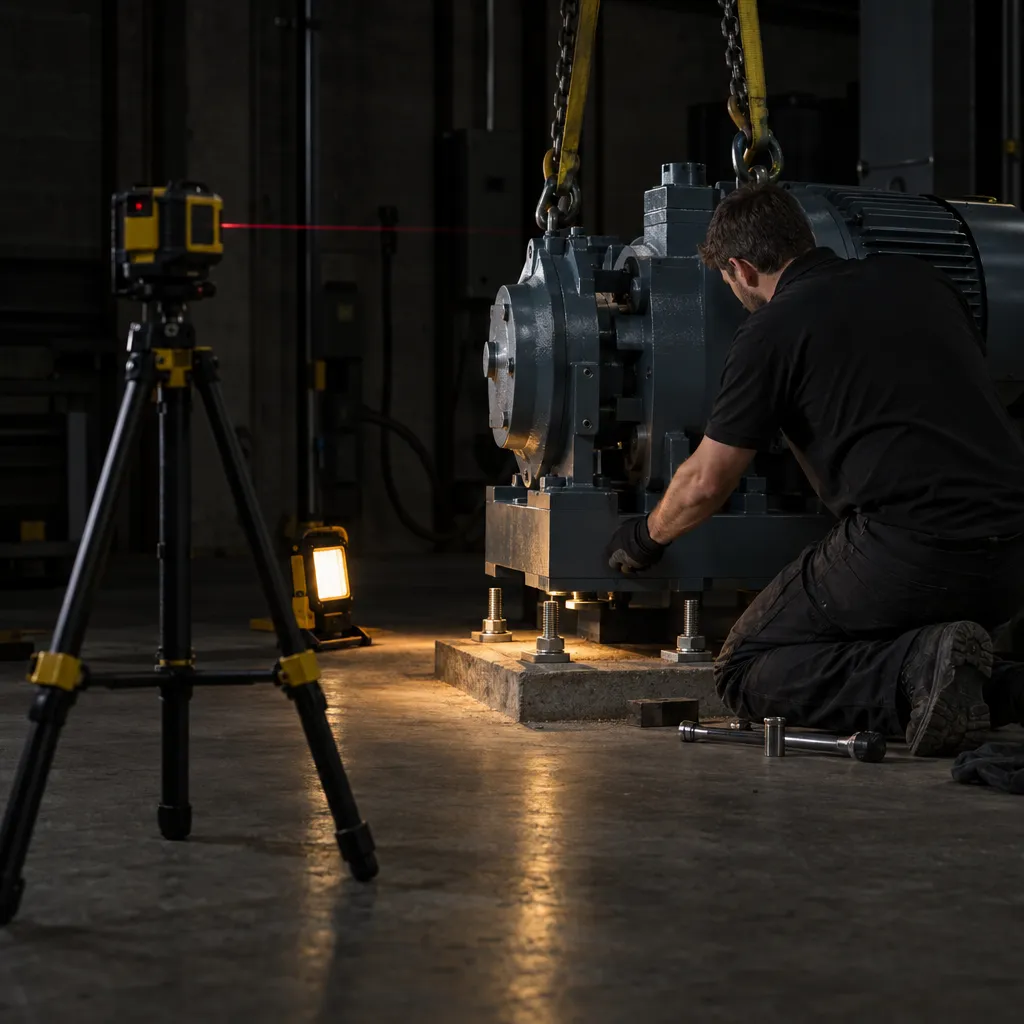
Installation is setting the equipment: removing what was there, preparing the floor, placing and anchoring the machine, running power and low-voltage, fitting guarding.
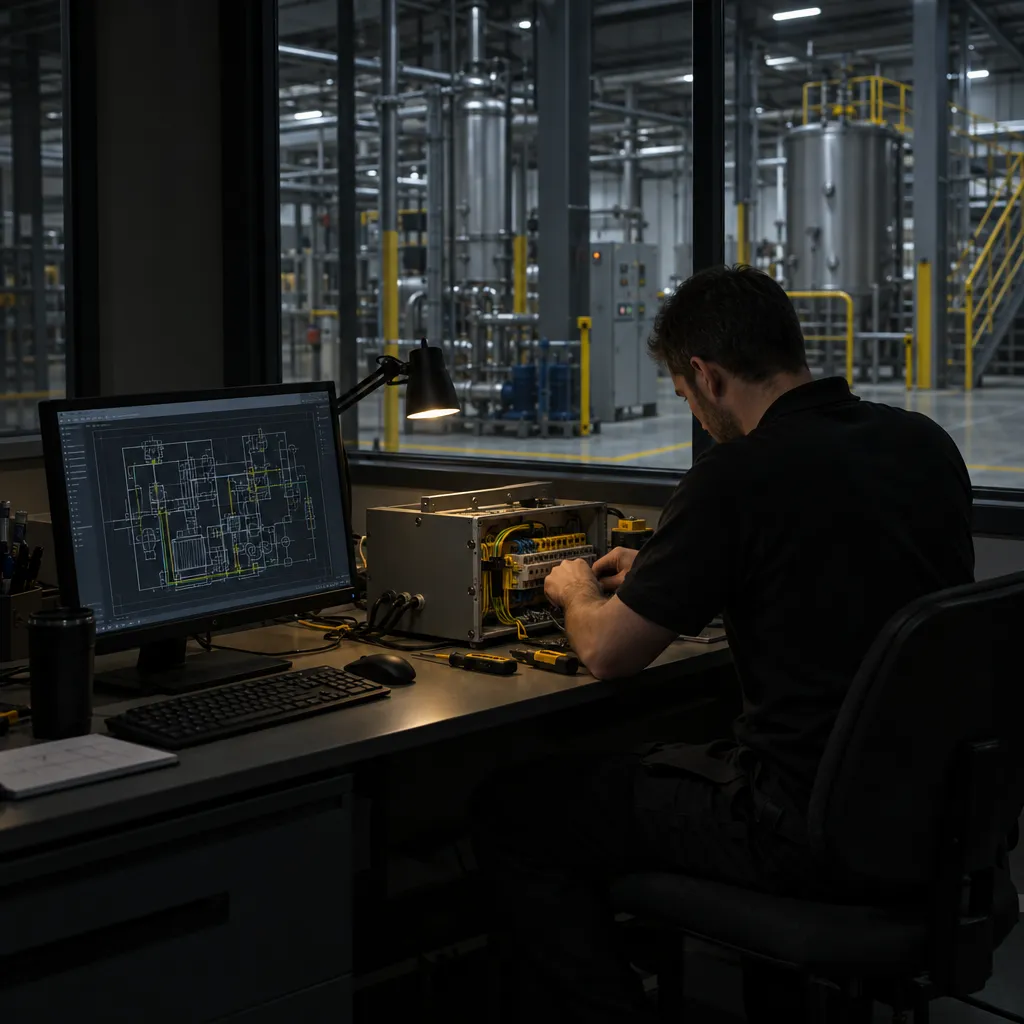
Integration is what makes it part of the operation. The controls handshakes to whatever feeds the machine and whatever it feeds, the sensors that tell each system what the other is doing, and the testing that proves the sequence works in both directions under real product.
The second one is where projects overrun, because it is the part that cannot be finished in isolation.
The Stages of an Install
Removal and floor preparation come first, and on a retrofit they are often the least predictable part of the job, because what is under the old machine is not known until the old machine is gone.
Placement and anchoring set the machine to tolerance and fix it there. Power and low-voltage bring it alive. Controls integration connects it to the systems around it. Guarding closes it in. Testing, startup and monitoring under live production prove it.
Skipping or compressing any one of those does not remove the work. It moves it into the startup window, which is the most expensive place to do anything.
Equipment That Runs Alone Is Not Installed
A machine can be set, anchored, powered and cycling perfectly and still be useless to the operation.
If the conveyor upstream does not know when the machine is ready to receive, and the system downstream does not know when a load is complete, then somebody stands there pressing a button, and the throughput on the quote never appears. The handshakes are the difference between a delivered machine and an installed one, and they are the part most likely to be treated as somebody else’s scope.
Steel Square Scope
Steel Square can carry out machinery assembly and installation, equipment tie-ins, conveyor system installation, rigging and placement, anchoring and precision alignment, the electrical and low-voltage work, controls integration, fabricated guarding and access, and startup and commissioning.
The point of holding those together is that an install crosses all of them. A project split across four vendors has three seams, and the seams are where the schedule goes.
Project Coordination
Steel Square can manage and coordinate the connected disciplines a project needs, including equipment, mechanical work, controls, electrical, fabrication, installation and startup.
Walgreens Anderson, Octopus C-Series Wrapper
The schedule documents removal, floor preparation, placement and anchoring, 480V and 24V work, SSI handshakes, fencing, sensor commissioning, wrap testing, line startup and live-operation monitoring.
That list is the whole argument on one machine: eight distinct disciplines between an empty floor and a wrapper making rate.
Systems Covered by This Discipline
- ASRS & Automated StorageIntegration, repair, retrofit, controls and lifecycle support for automated storage systems.
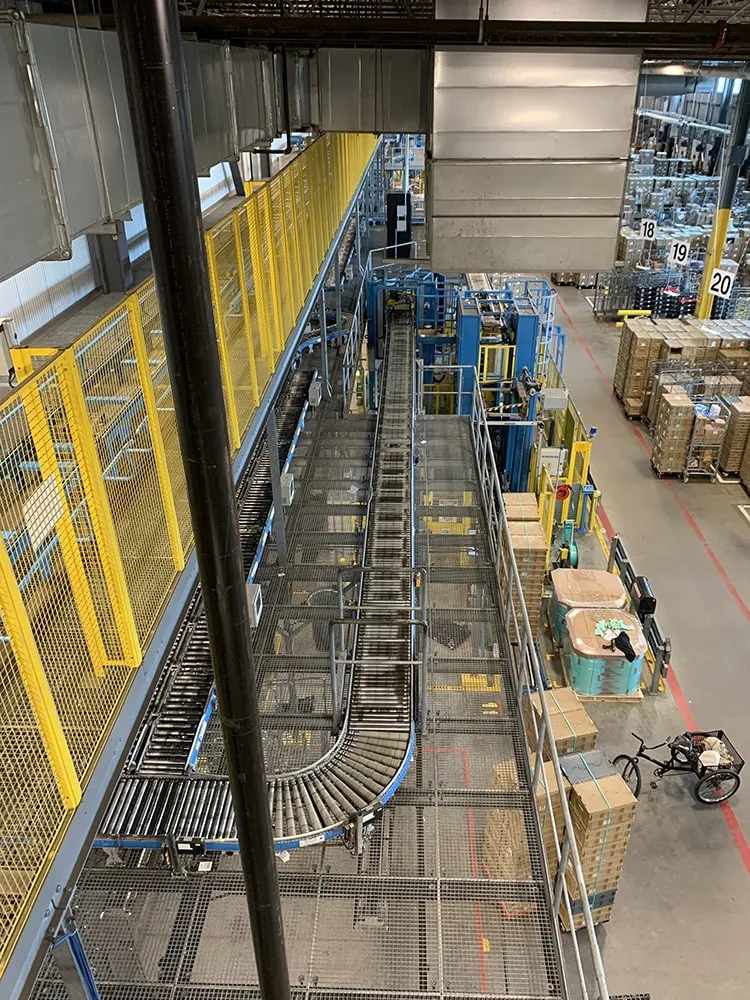
- Conveyor & Material FlowEquipment, controls and process improvements for moving cases, totes, carts and pallets through the facility.
- Pallet Handling & End-of-LinePallet inverters, load transfer, stretch wrapping, palletizing and connected end-of-line equipment.
- Robotics, Sortation & AGV/AMRAutomated handling, mobile automation and sortation integrated into the operation around them.
Connected disciplines
- Millwright & RiggingRigging, placement, anchoring and precision alignment for heavy equipment.
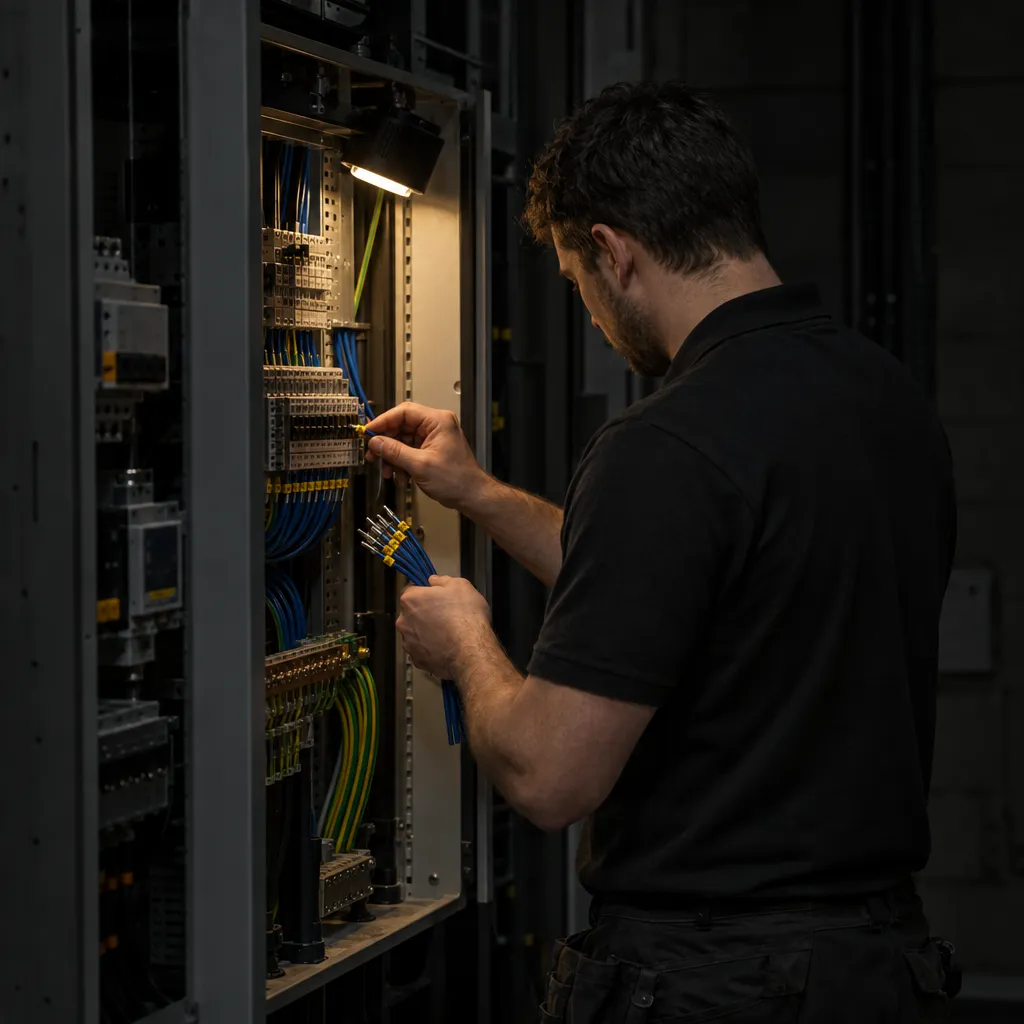
- Controls & Electrical IntegrationPLC, HMI, panels, handshakes and terminations for new and existing equipment.
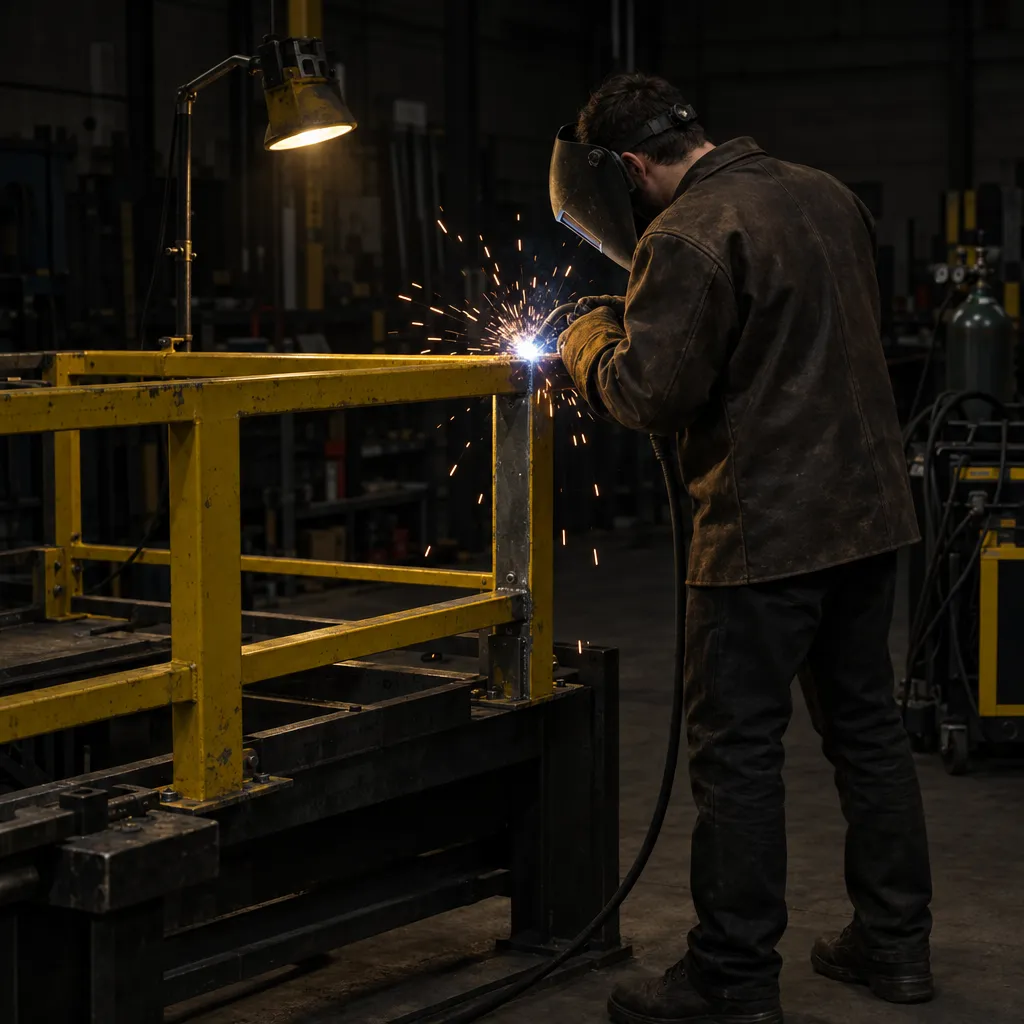
- Fabrication & ModificationsFabricated components, guarding and equipment modifications built to fit.
- Commissioning & StartupSensor commissioning, testing, startup and live-operation monitoring.
Equipment Integrated
- AGV & AMR fleets
- Accumulation conveyor
- ASRS cranes
- Automated picking & dispensing
- Bearings & rollers
- Bollards & barriers
- Cable carriers
- Carousels
- Cart-loading & carriage systems
- Conveyor systems
- Diverters & mergers
- Dock & material flow
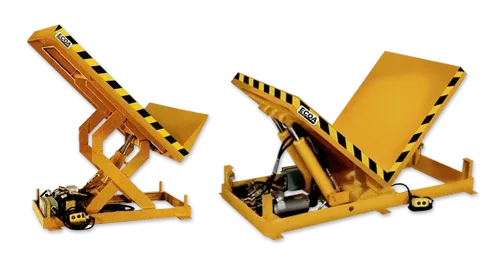
- Dumpers & tippers
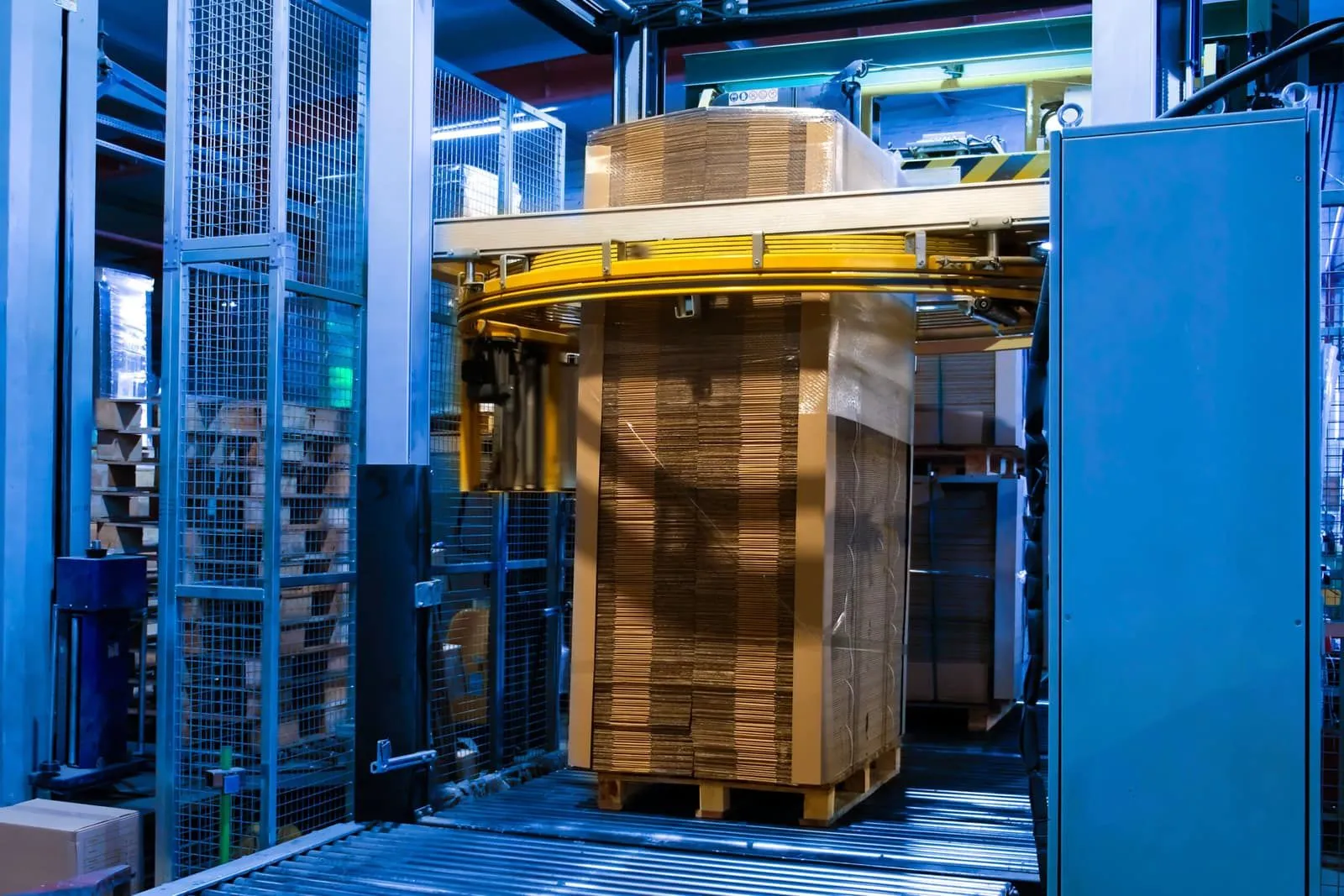
- Freezer spacers
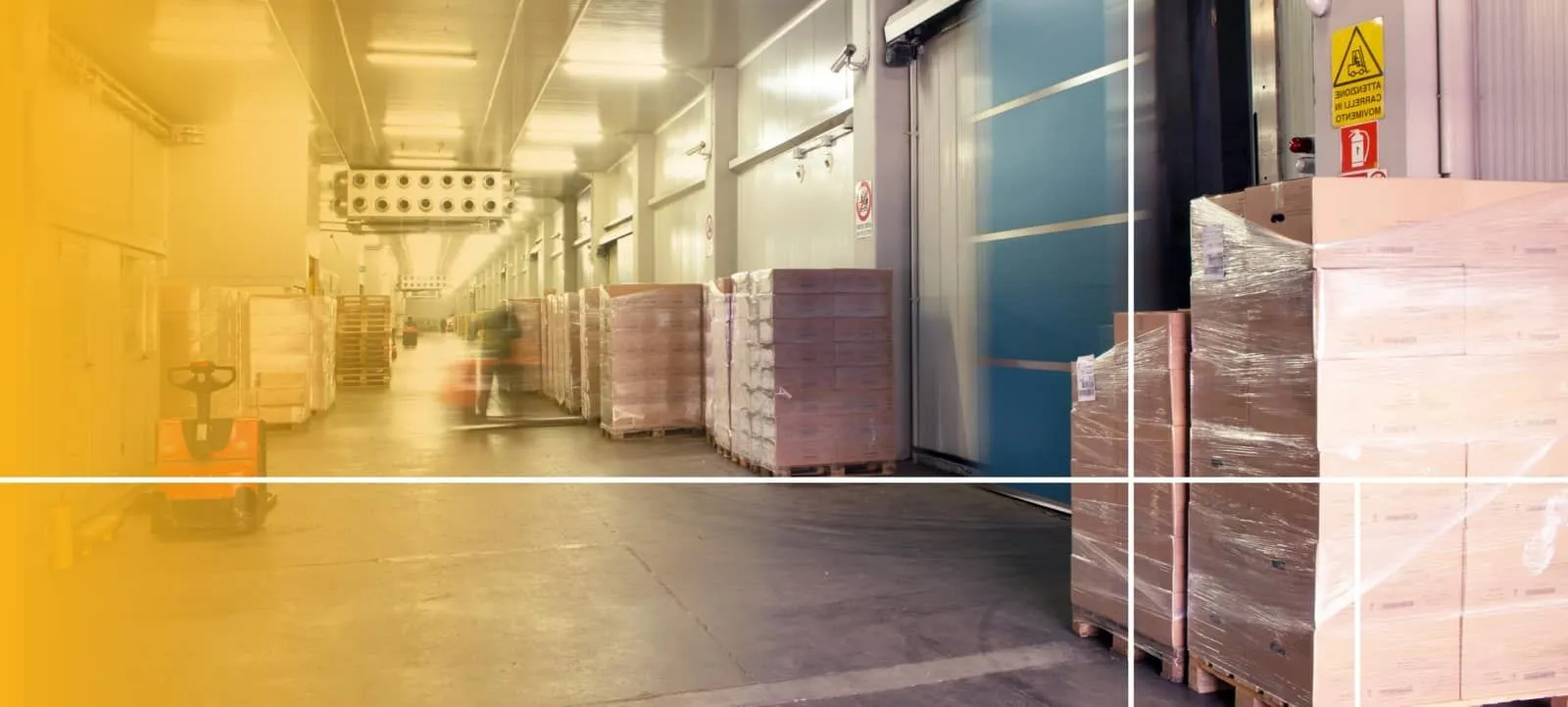
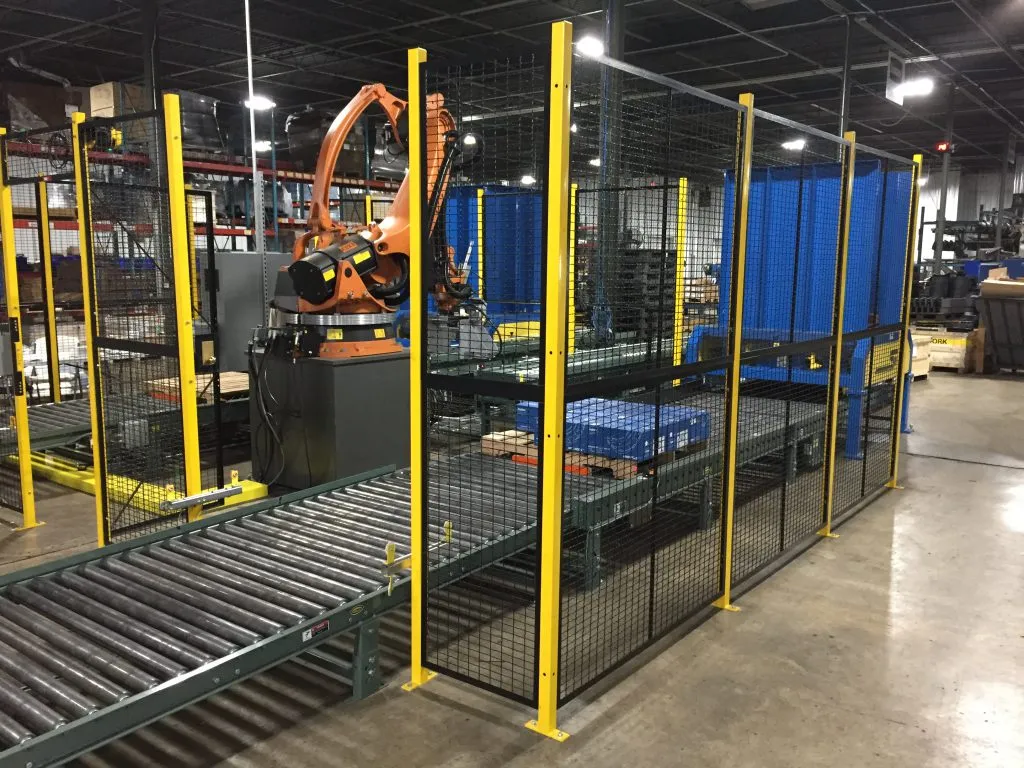
- Guarding & fencing
- HMI & operator interfaces
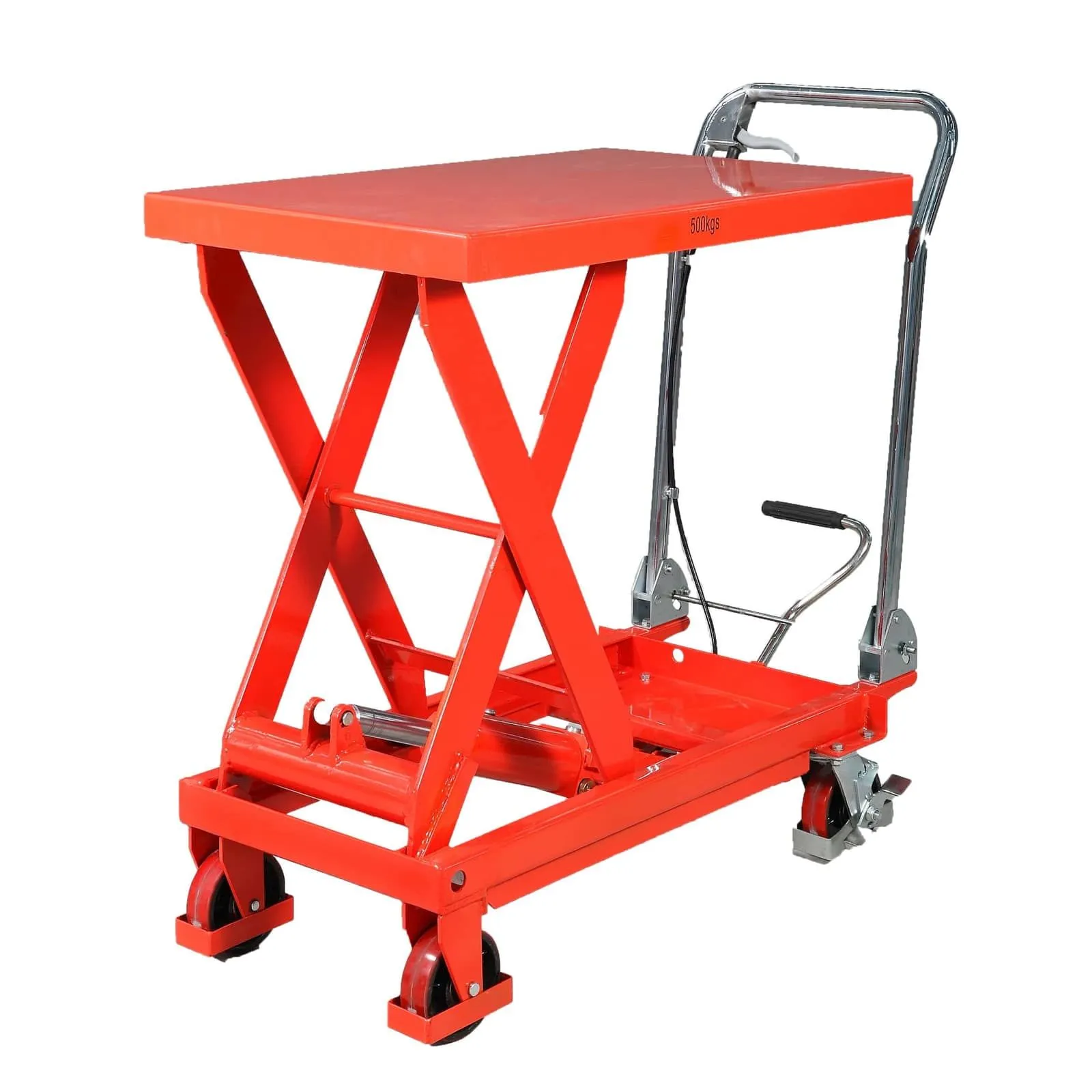
- Industrial control panels
- Lift tables
- Load transfer systems
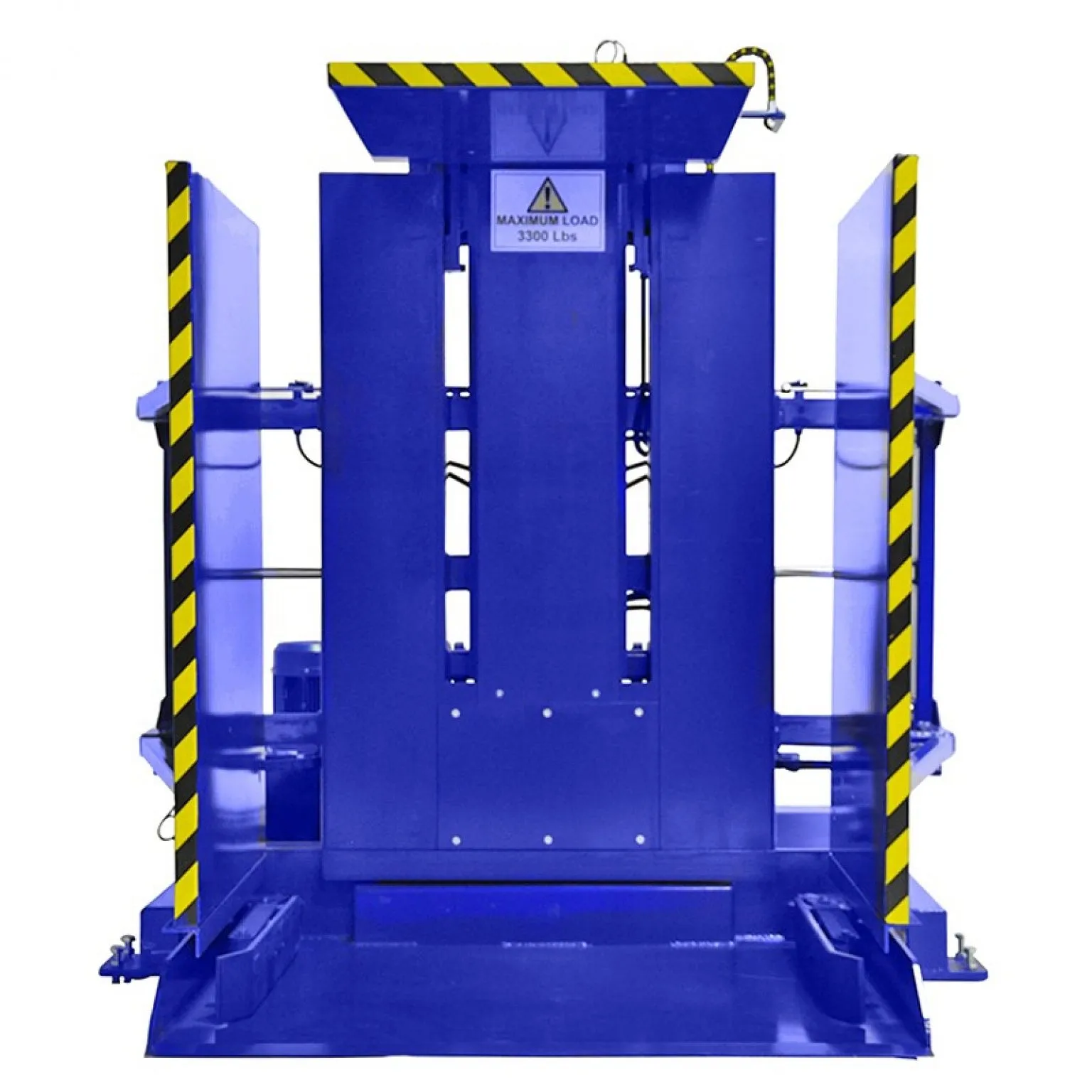
- Mezzanines & platforms
- Mini-load ASRS & AKL
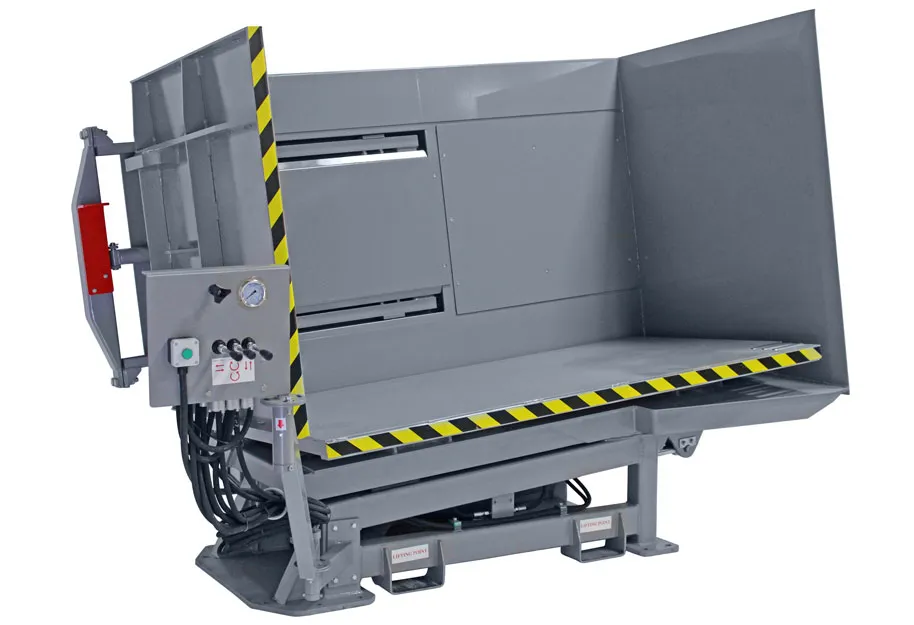
- Pallet changers
- Pallet dispensers
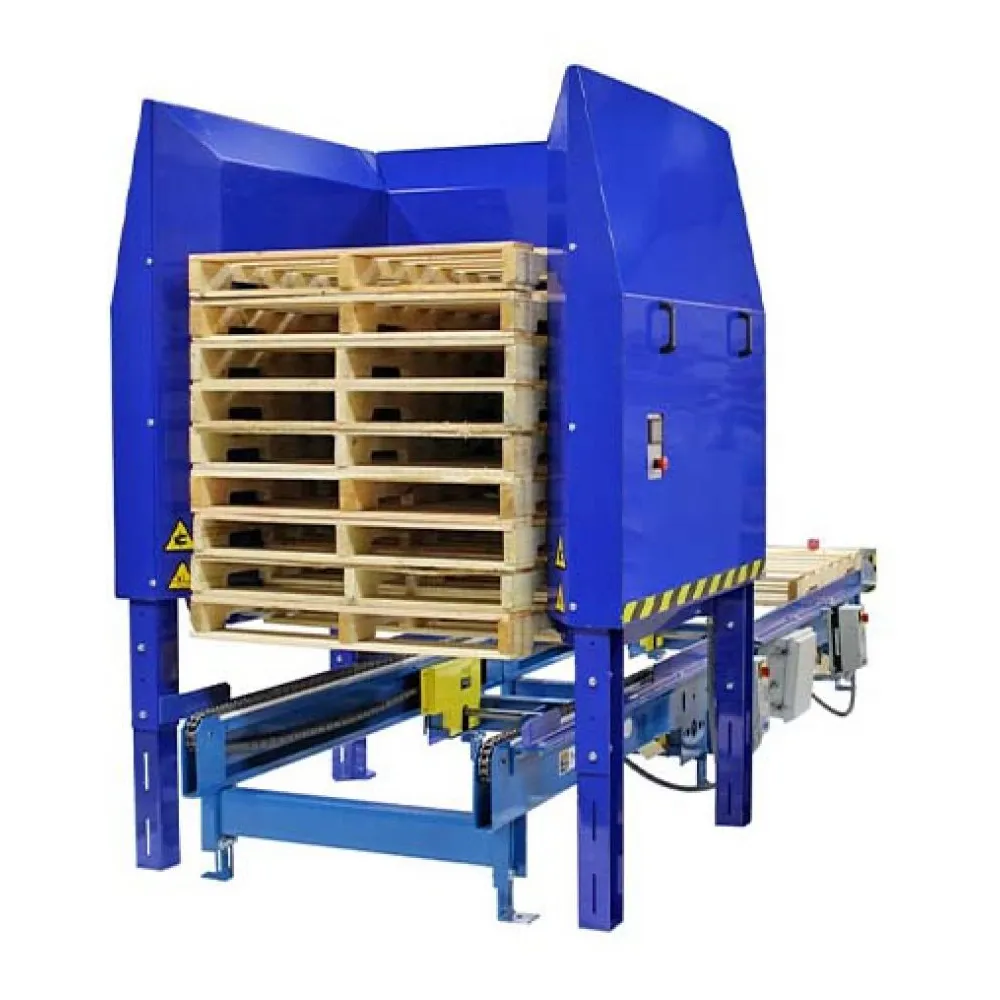
- Pallet inverters
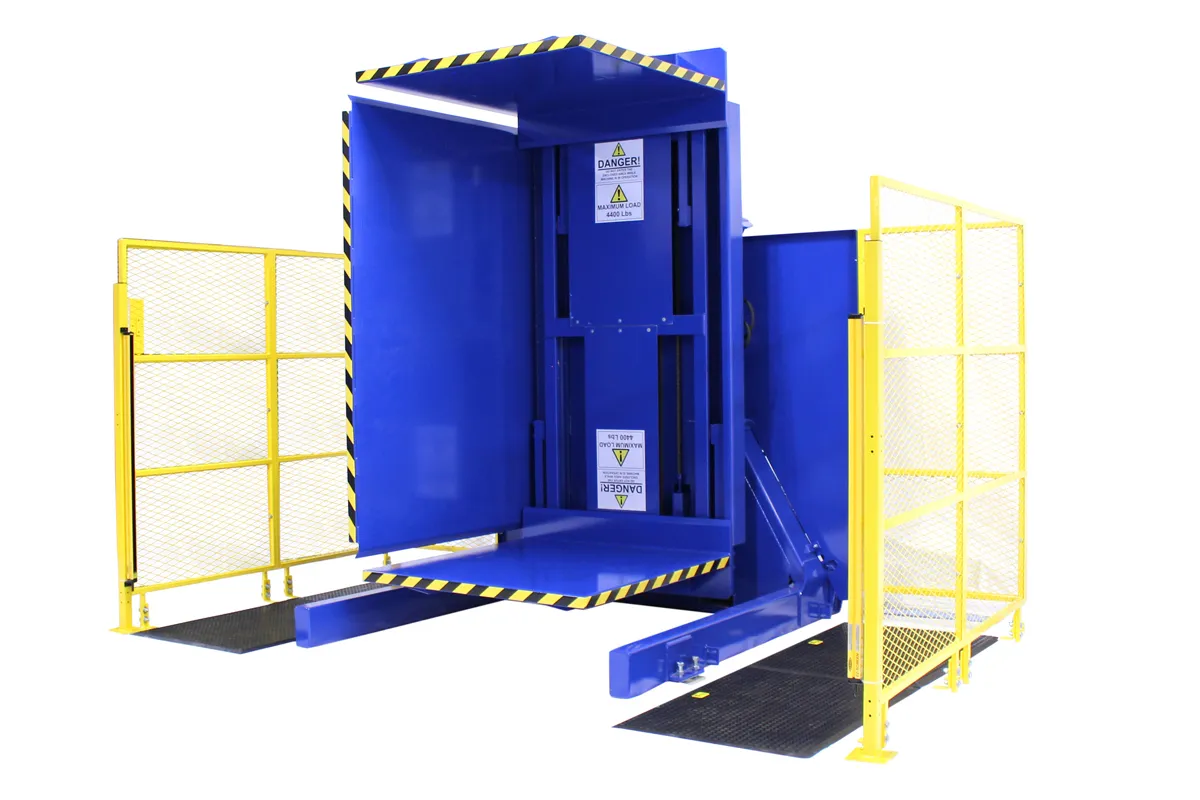
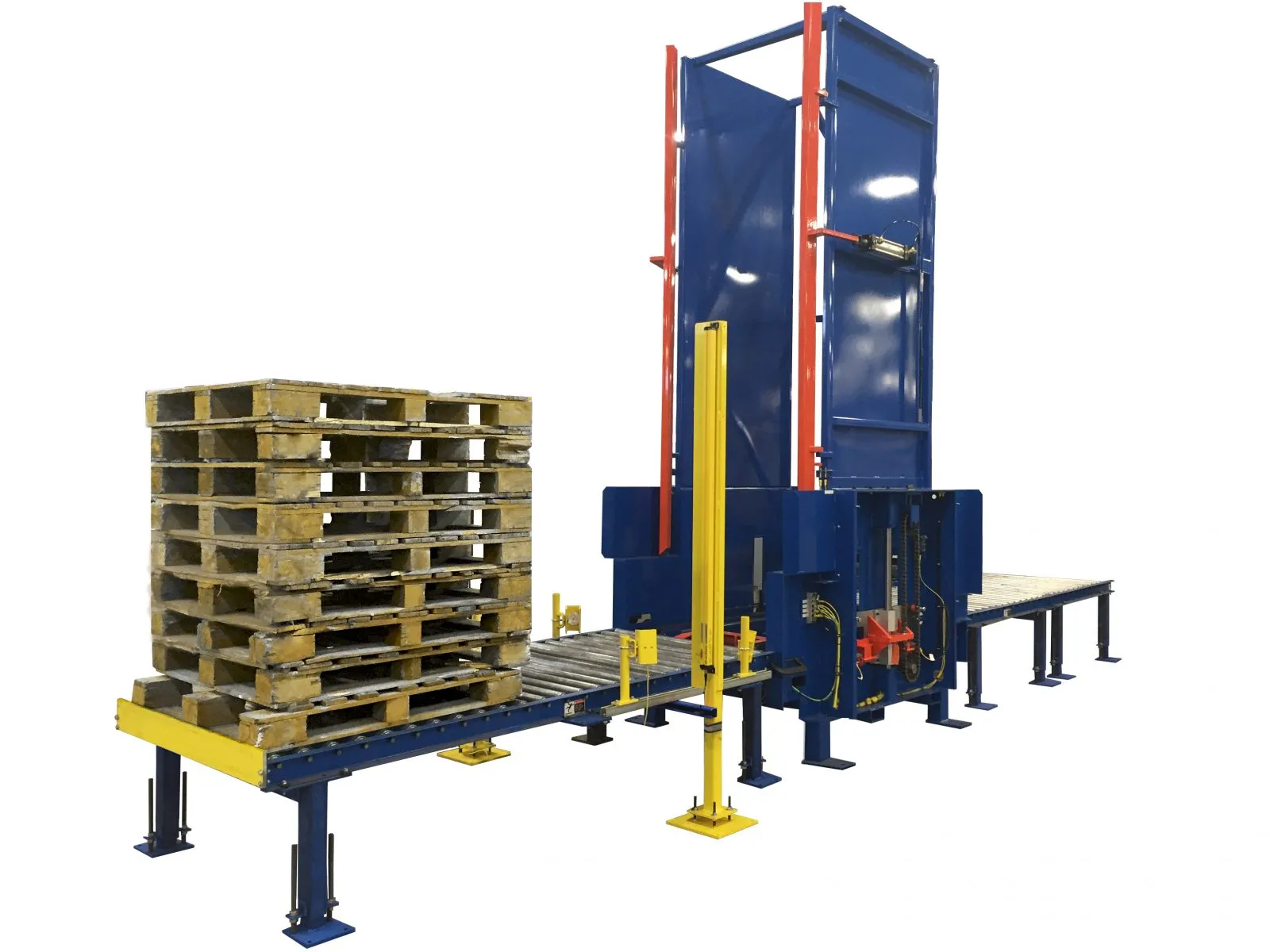
- Pallet stackers
- Pallet straighteners
- Palletizers & depalletizers
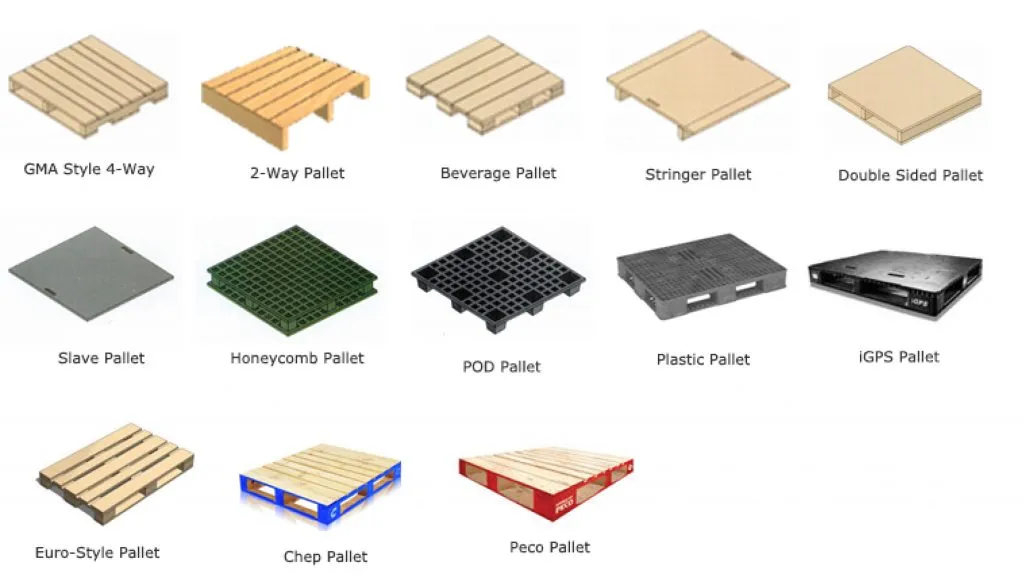
- Pallets, wood & plastic
- PLC & controls hardware
- Pneumatic components
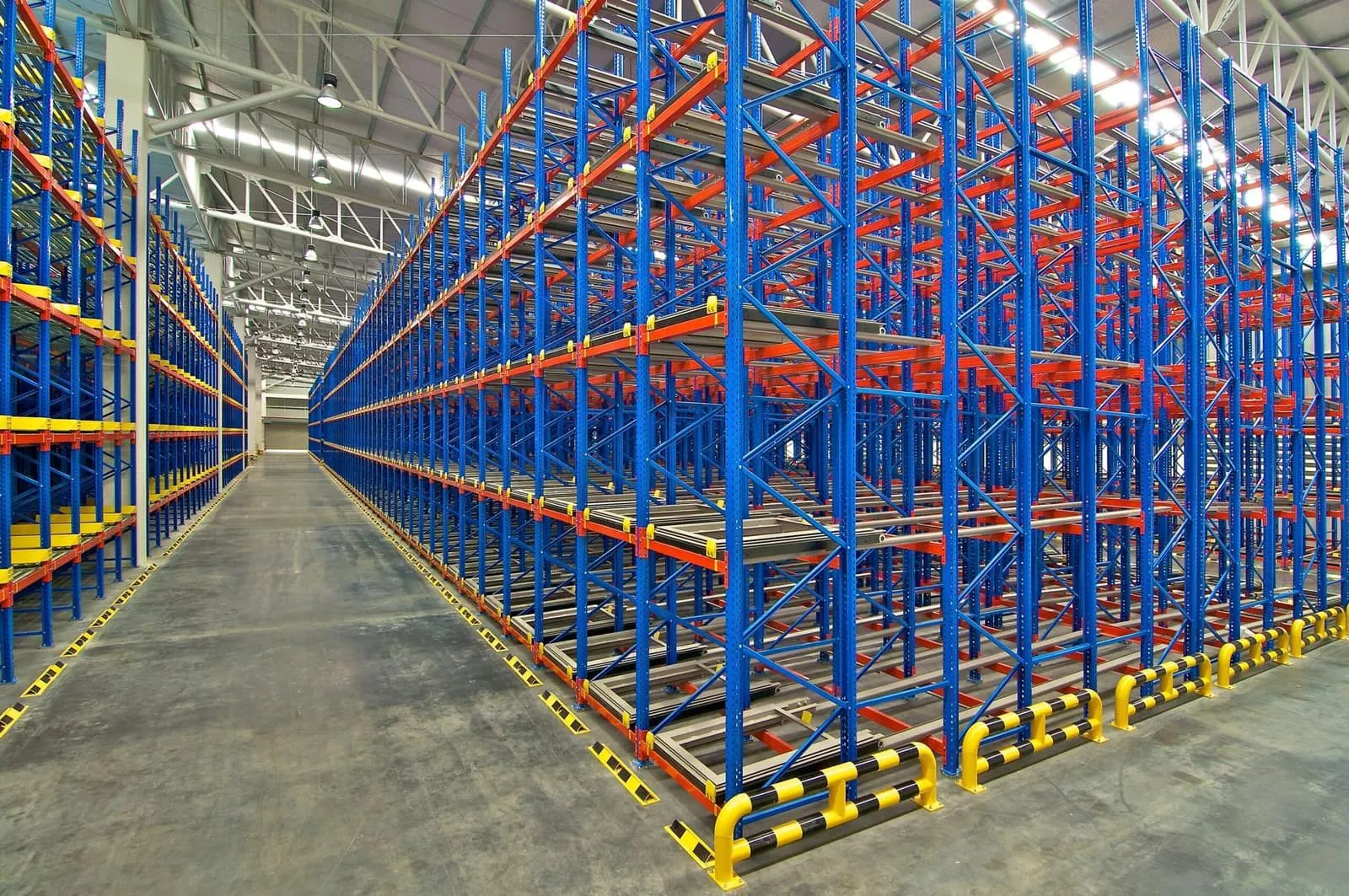
- Racking & storage
- Receiving & shipping flow
- Safety equipment
- Shuttles
- Sortation systems
- Spacer & pallet retrievers
- Stretch wrappers
- Transfer cars
- Turntables & indexers
- Upenders
- Washing equipment
Documented at Walgreens Anderson
Octopus C-Series wrapper schedule
The documented Octopus C-Series project at Walgreens Anderson ran this sequence, from removing the previous unit through live-operation monitoring.
-
Remove old unit
Remove the previous wrapper and clear the location for the new install.
-
Floor prep
Prepare the floor for placement and anchoring.
-
Place & anchor
Set the unit, position it and anchor it in place.
-
480V & 24V
480V and 24V electrical work and terminations.
-
Handshakes
System handshakes with the line and sensor commissioning.
-
Startup & monitor
Wrap testing, line startup and live-operation monitoring.
Next step
Installing new equipment or integrating a system into an existing line?
Discuss a defined project, or ask for a facility audit for a broader look at the operation.