
Project Execution
Controls & Electrical Integration
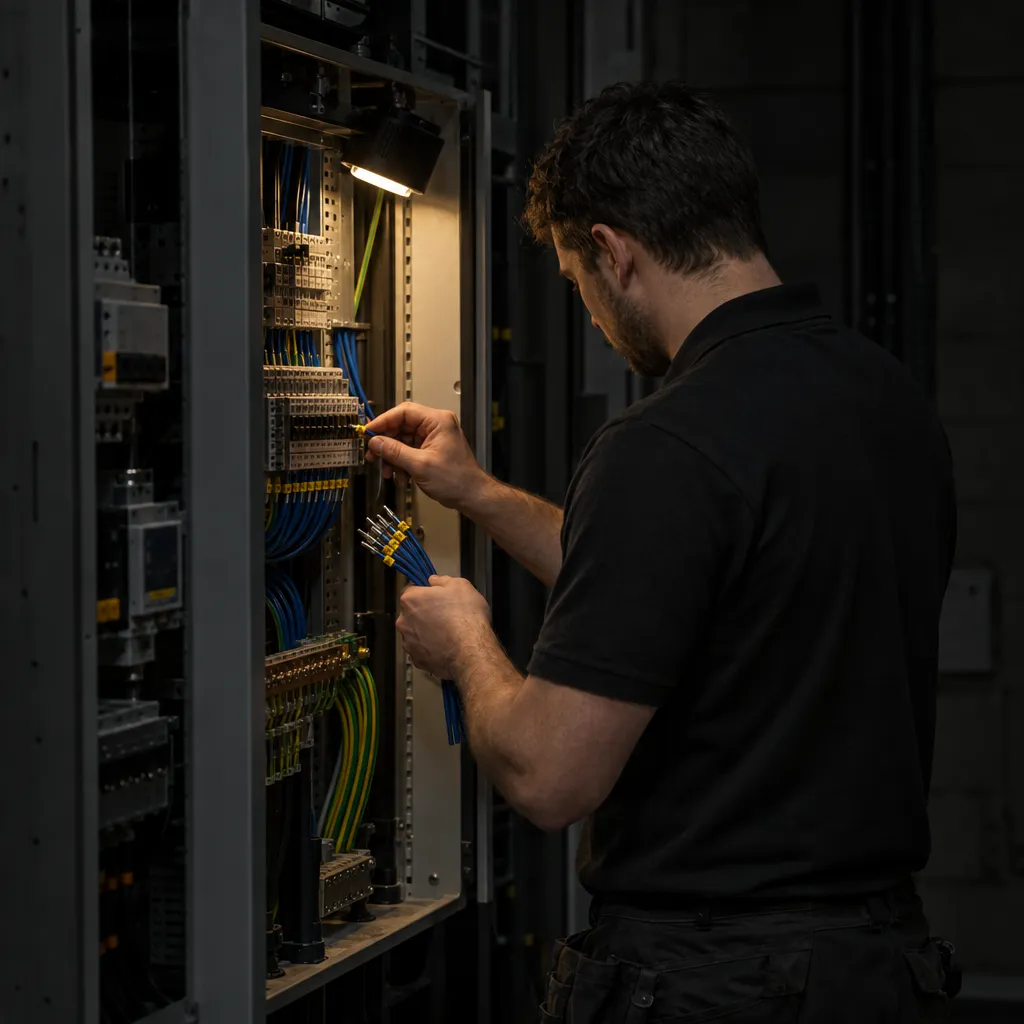
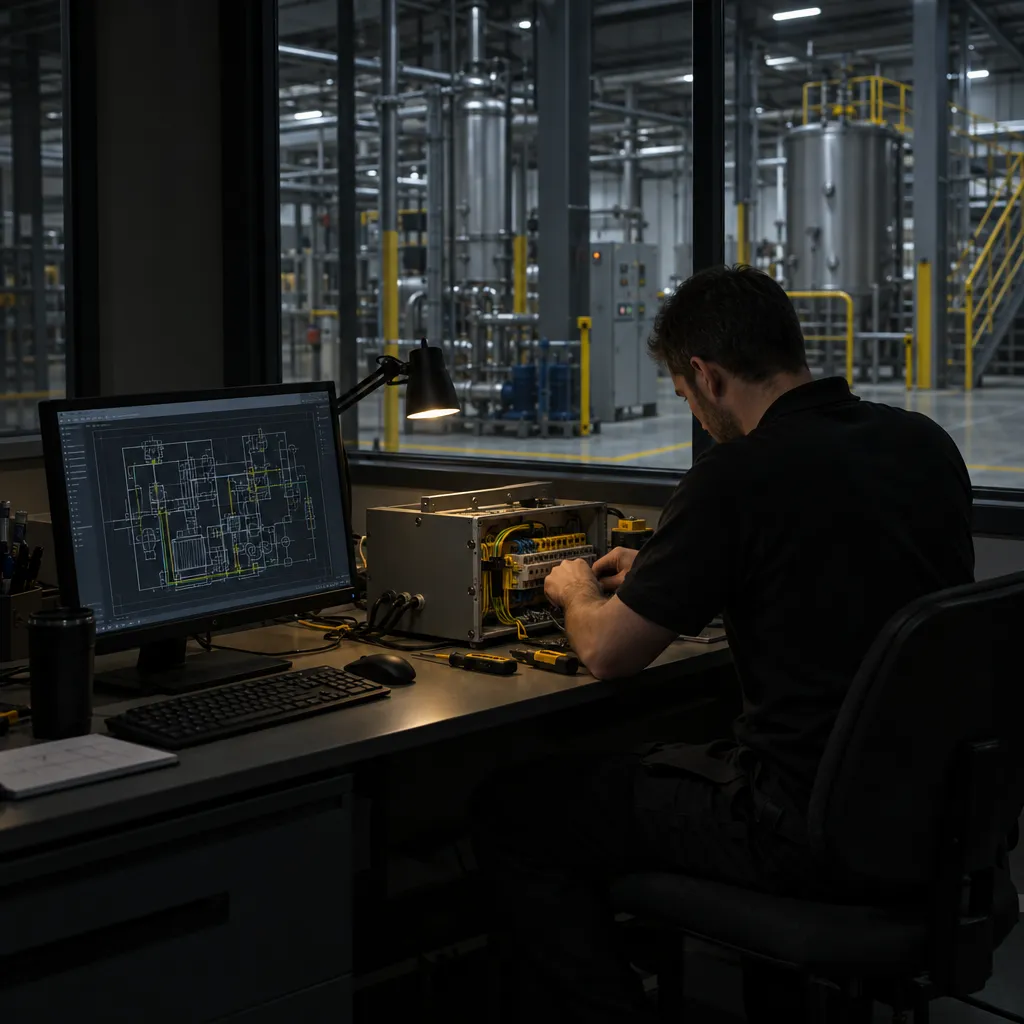
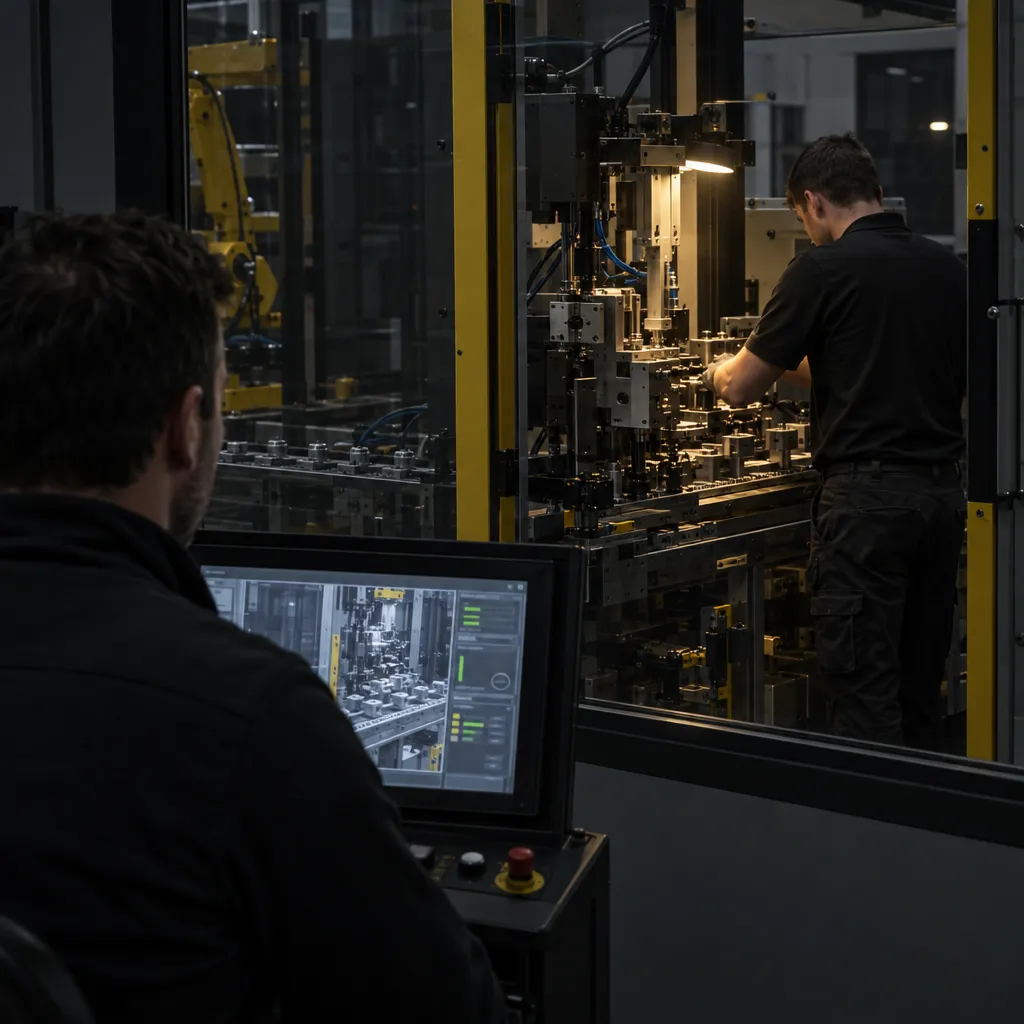
Steel Square handles PLC programming, HMI and control-panel work, sensors, electrical integration, system handshakes, troubleshooting, upgrades and legacy-system modernization. Controls can be treated as part of the larger machine or process instead of a disconnected service call.
The trigger
Controls & Electrical Scope
- New equipment needs power, I/O, logic or handshakes
- An obsolete PLC or HMI has to be integrated or replaced
- Two systems have to communicate reliably
- Controls work is tied to a larger install or repair
What Controls Integration Is
Controls are what turn a set of machines into a system. The PLC runs the logic, the HMI is where an operator sees and changes it, sensors and encoders report what is physically happening, and drives and starters move the motors. The panel and the field wiring are where all of that meets the building.
Integration is the work of connecting a new or changed asset into that: the program, the I/O, the handshakes to adjacent equipment, the safety circuit and the terminations back to existing power and signal.
New Equipment
New equipment may need power, I/O, sensors, control logic, HMI changes or handshakes with existing systems. Steel Square can address those needs as part of the larger installation and startup scope rather than as a separate contract that starts after the mechanical work finishes.
Existing Systems
Controls work just as often starts with something already installed: an unreliable machine, an obsolete PLC or HMI, a failed component, or two systems that have stopped talking to each other.
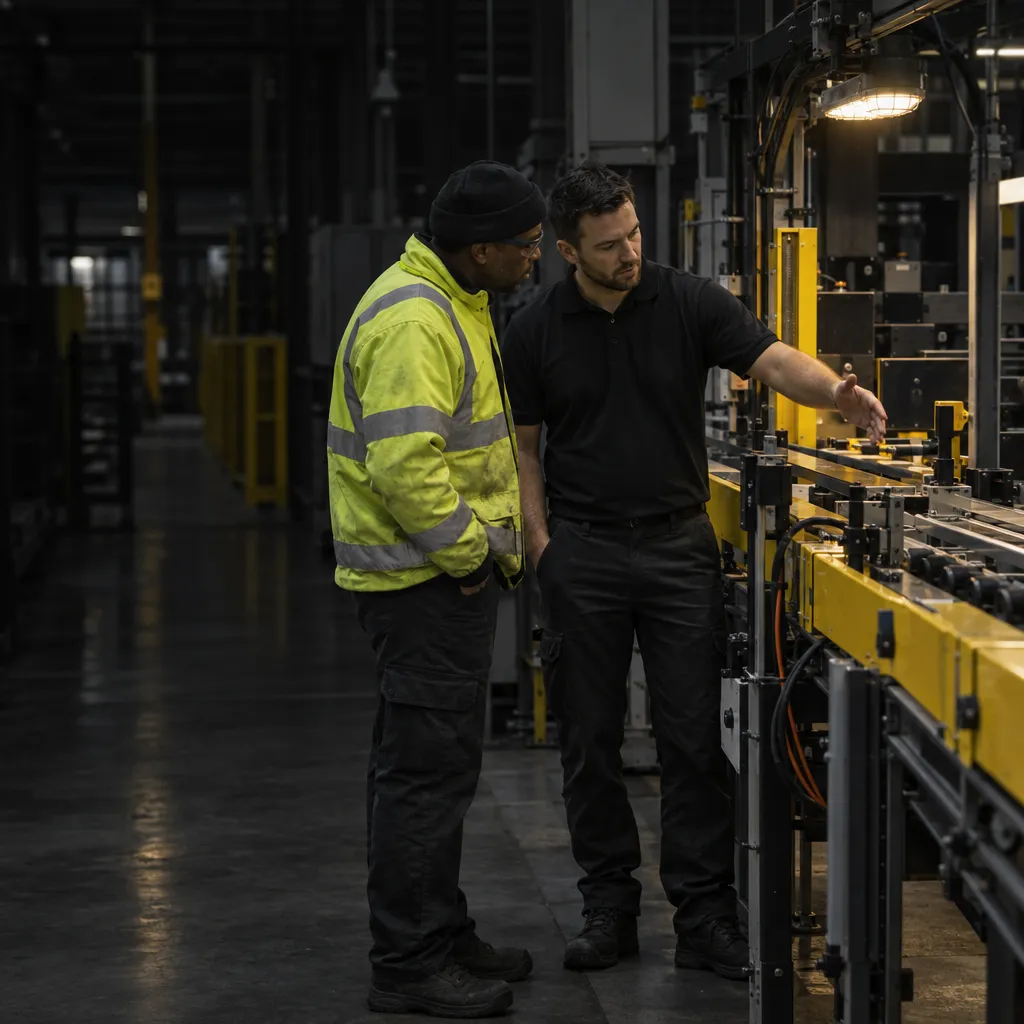
Those are rarely purely controls problems. A sensor reporting a fault may be reporting a real mechanical condition, and a communication failure may be a damaged cable rather than a configuration change. Steel Square can troubleshoot the issue and connect it to the mechanical or electrical work when those turn out to be part of the same failure.
The Last Discipline On Site
Controls is usually the last trade on a project and the one with the least schedule left, which is a structural problem rather than a scheduling accident.
It is also the stage where an install meets the plant’s real conditions instead of its documented ones. Drawings that were never updated after the last change. Spare I/O that turns out to be in use. A network address that is already taken. A safety circuit that has to be proven rather than assumed, because nobody can say with certainty what it currently does.
Finding those things is not a delay caused by the controls work. It is the controls work.
Obsolete & Current Platforms
Steel Square carries twenty years of experience in material handling environments and machine controls, across both obsolete and current platforms, including replacing older control systems on equipment that is otherwise sound.
That combination matters more than it sounds. A plant floor is rarely one generation of hardware, and the useful skill is not knowing the newest platform. It is being able to work on the one that is actually installed, then move it forward without replacing a machine that had nothing wrong with it.
Project Experience
Walgreens Anderson includes controls and electrical work as part of the facility scope. Steel Square has also completed PLC work at Passion Growers.
Systems Covered by This Discipline
- Industrial Controls & ElectricalPLC, HMI, panels, sensors, electrical integration, troubleshooting and modernization.
- ASRS & Automated StorageIntegration, repair, retrofit, controls and lifecycle support for automated storage systems.
- Conveyor & Material FlowEquipment, controls and process improvements for moving cases, totes, carts and pallets through the facility.
Connected disciplines
Equipment Integrated
- AGV & AMR fleets
- Accumulation conveyor
- ASRS cranes
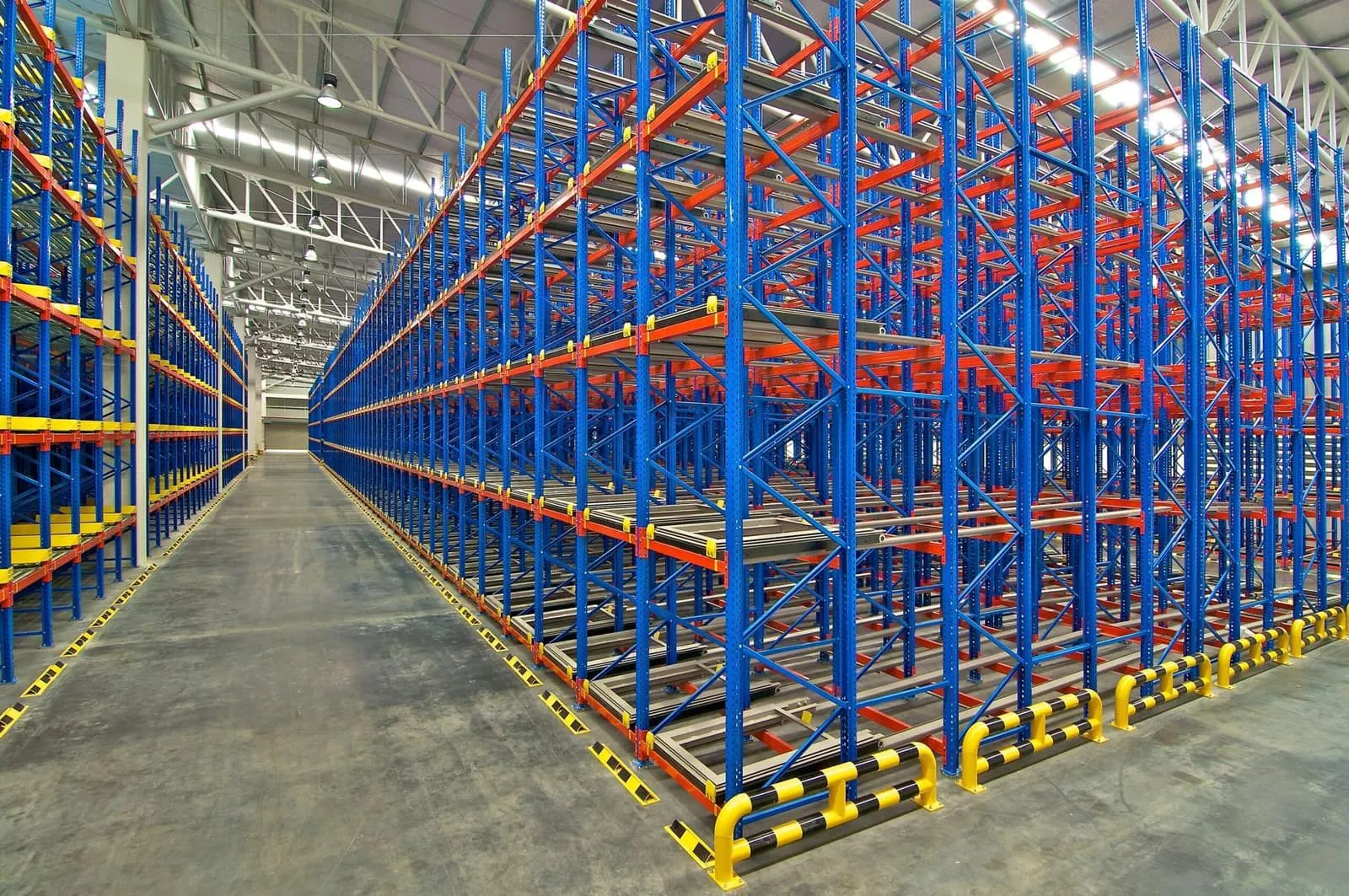
- Automated picking & dispensing
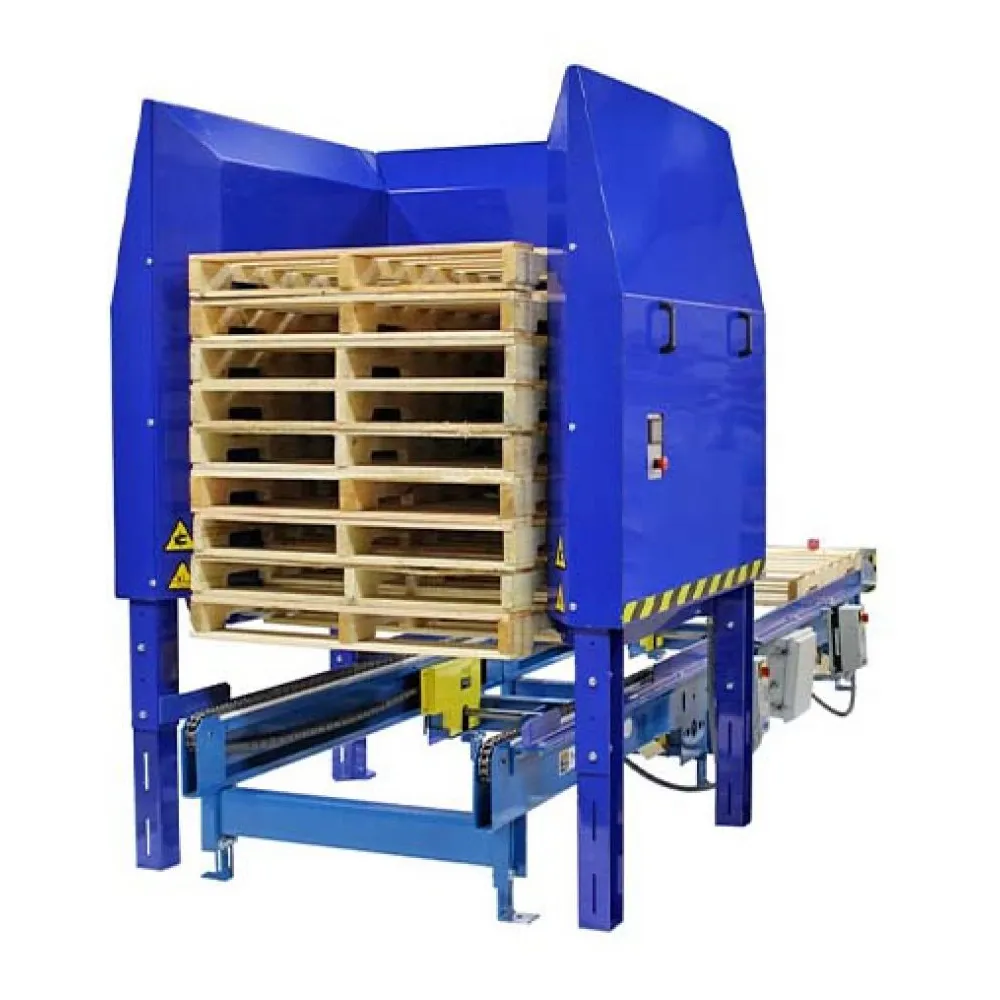
- Bearings & rollers
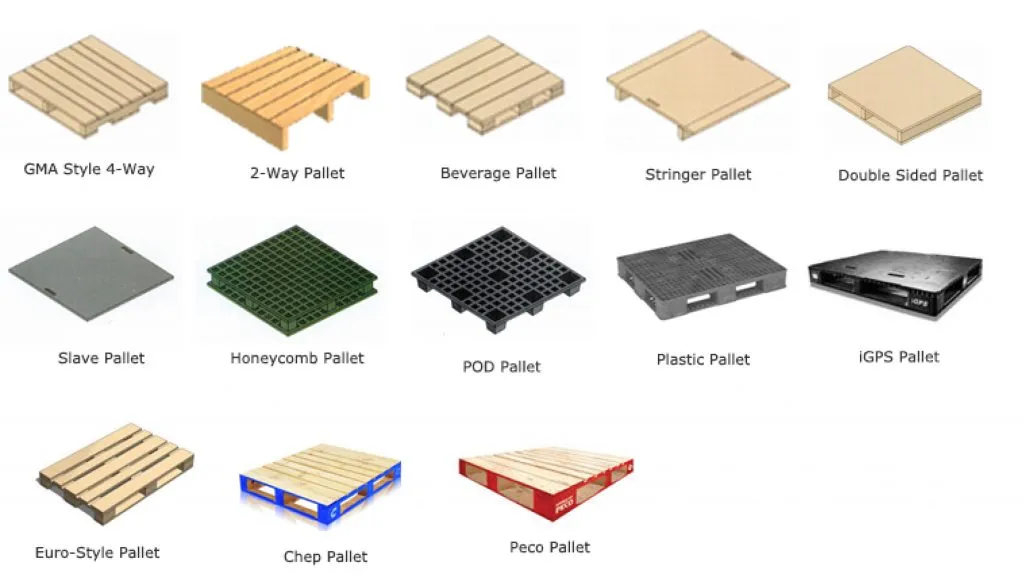
- Bollards & barriers
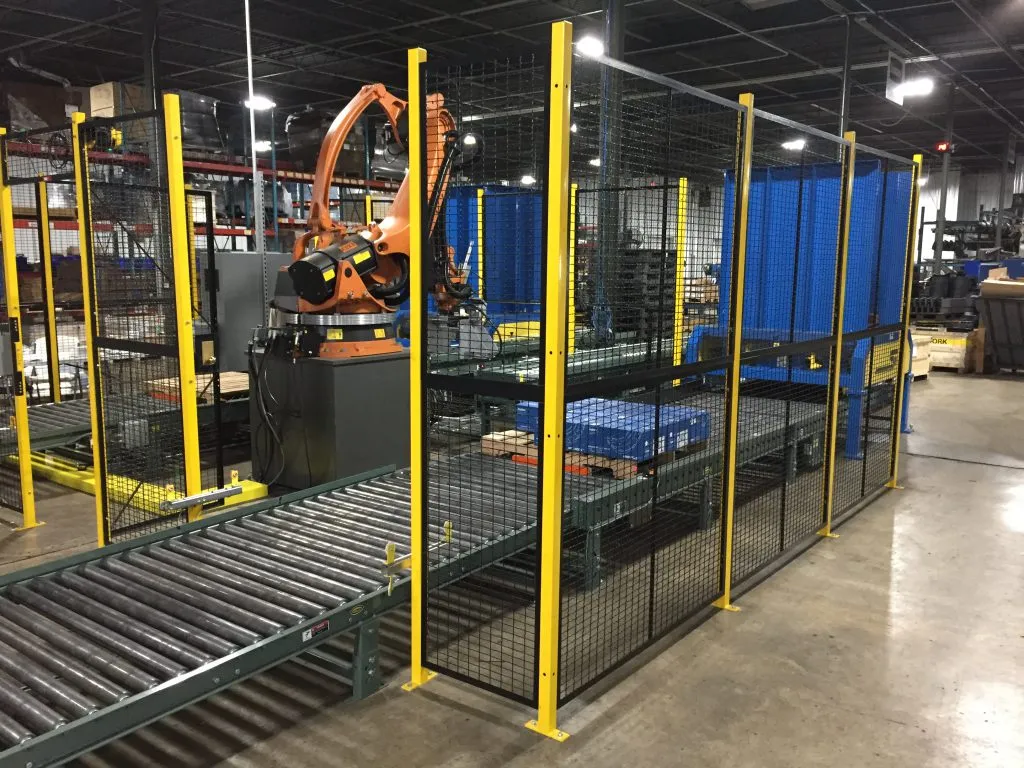
- Cable carriers
- Carousels
- Cart-loading & carriage systems
- Conveyor systems
- Diverters & mergers
- Dock & material flow
- Dumpers & tippers
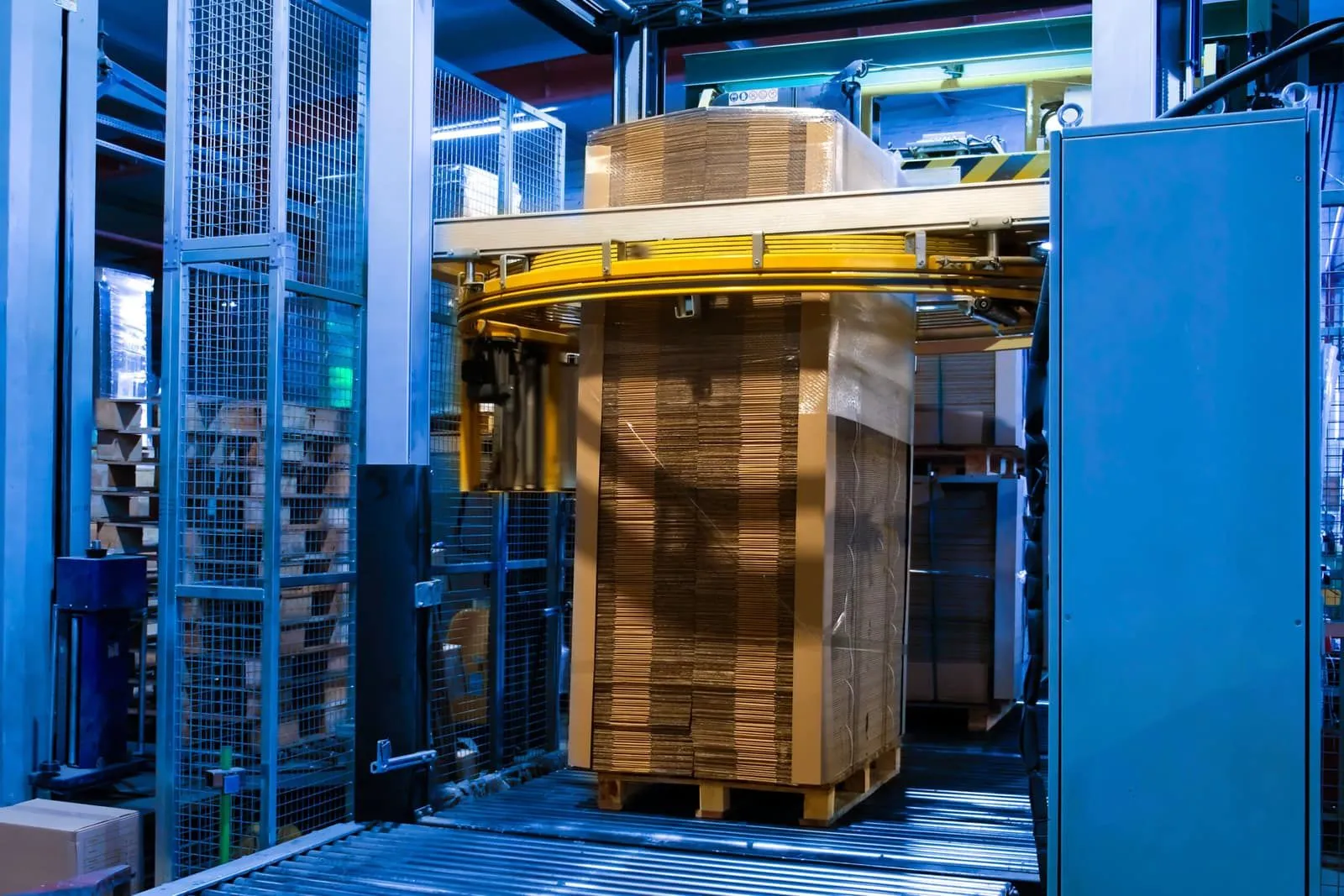
- Freezer spacers
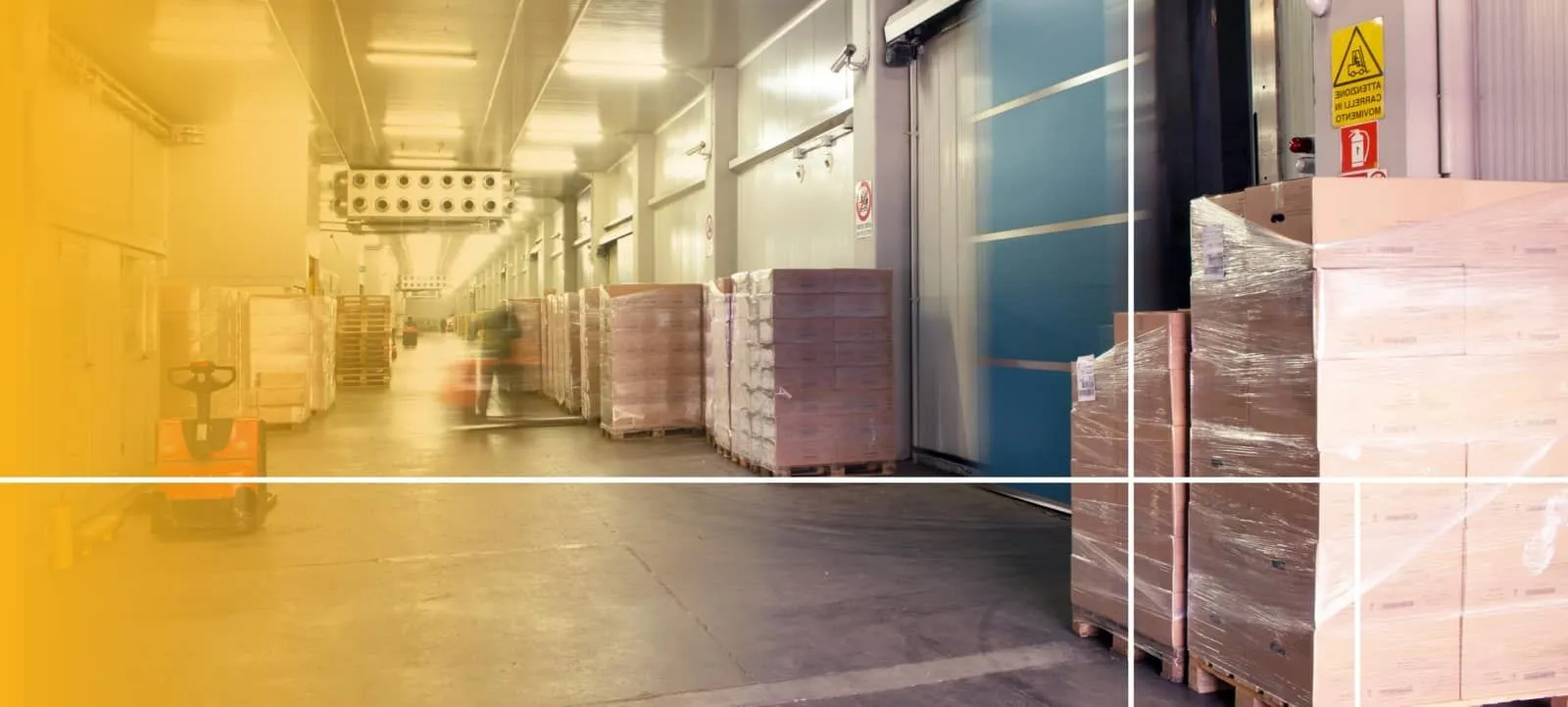
- Guarding & fencing
- HMI & operator interfaces
- Industrial control panels
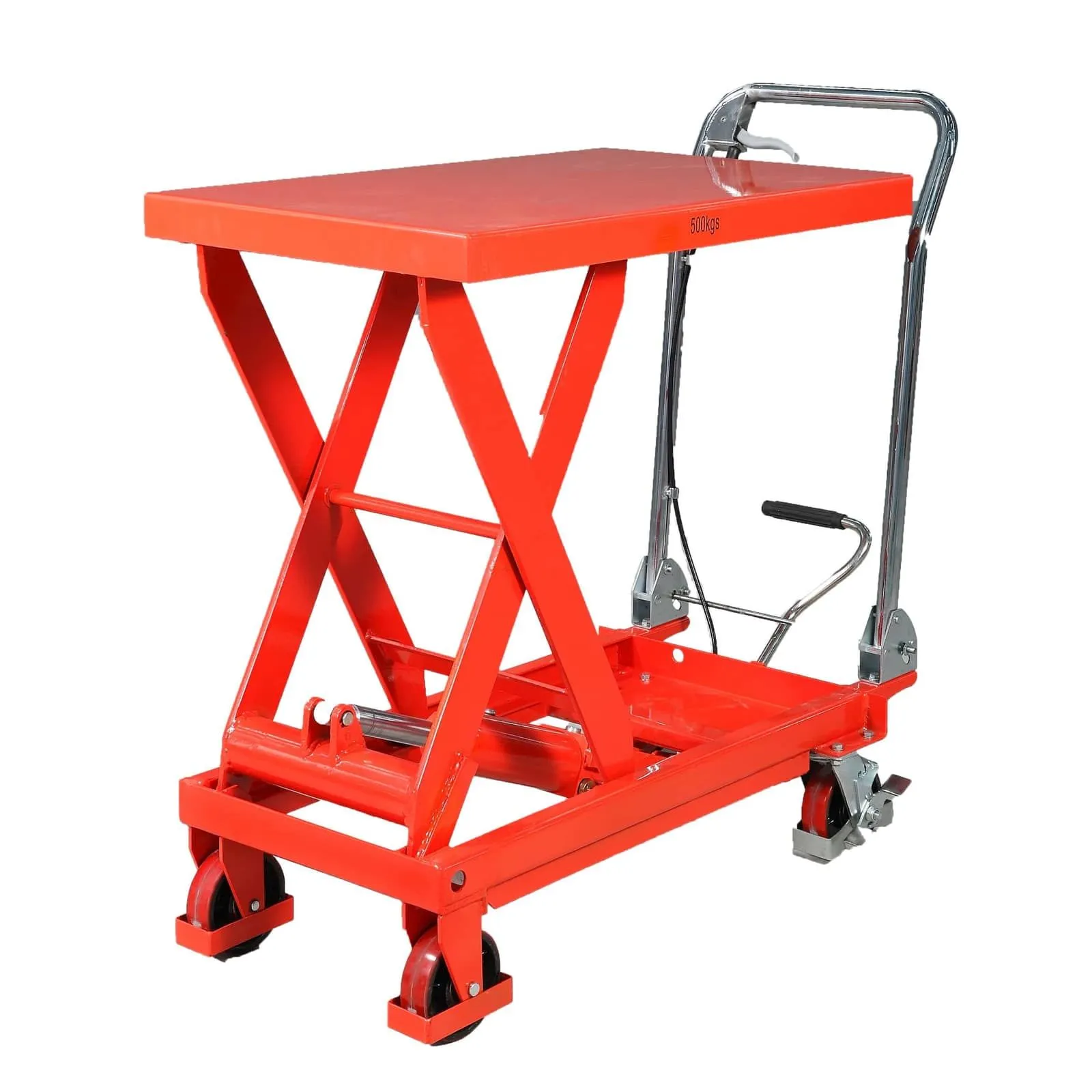
- Lift tables
- Load transfer systems
- Mezzanines & platforms
- Mini-load ASRS & AKL
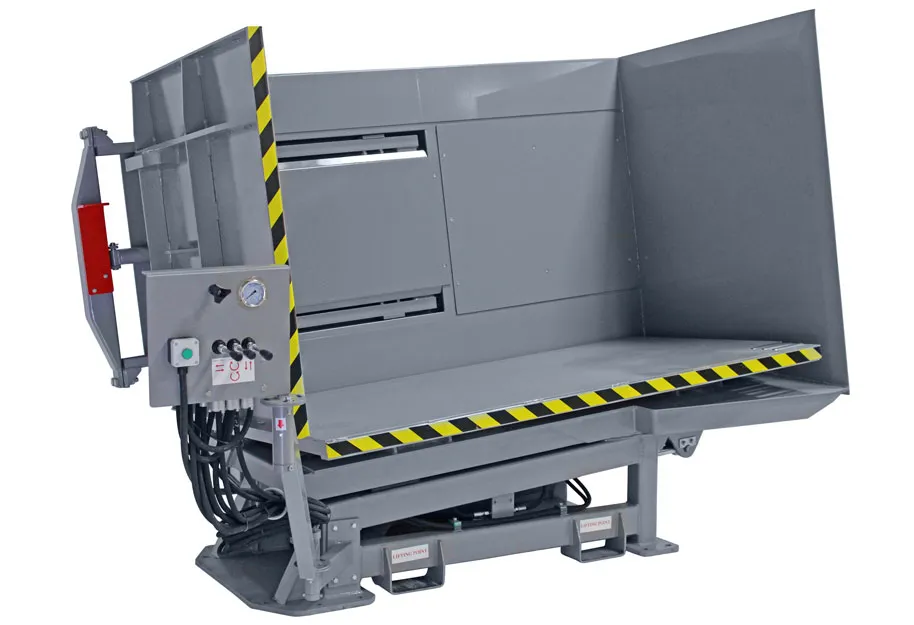
- Pallet changers
- Pallet dispensers
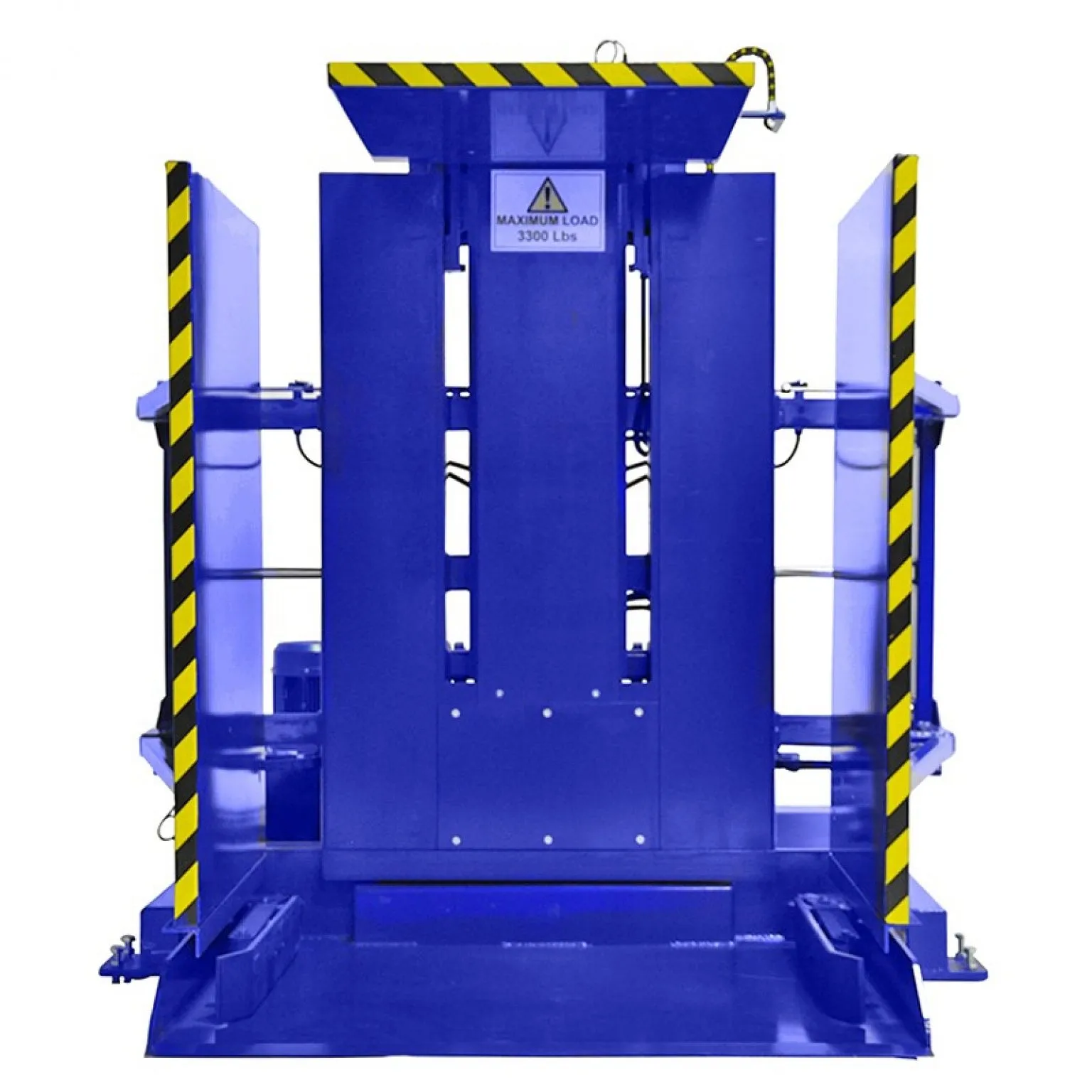
- Pallet inverters
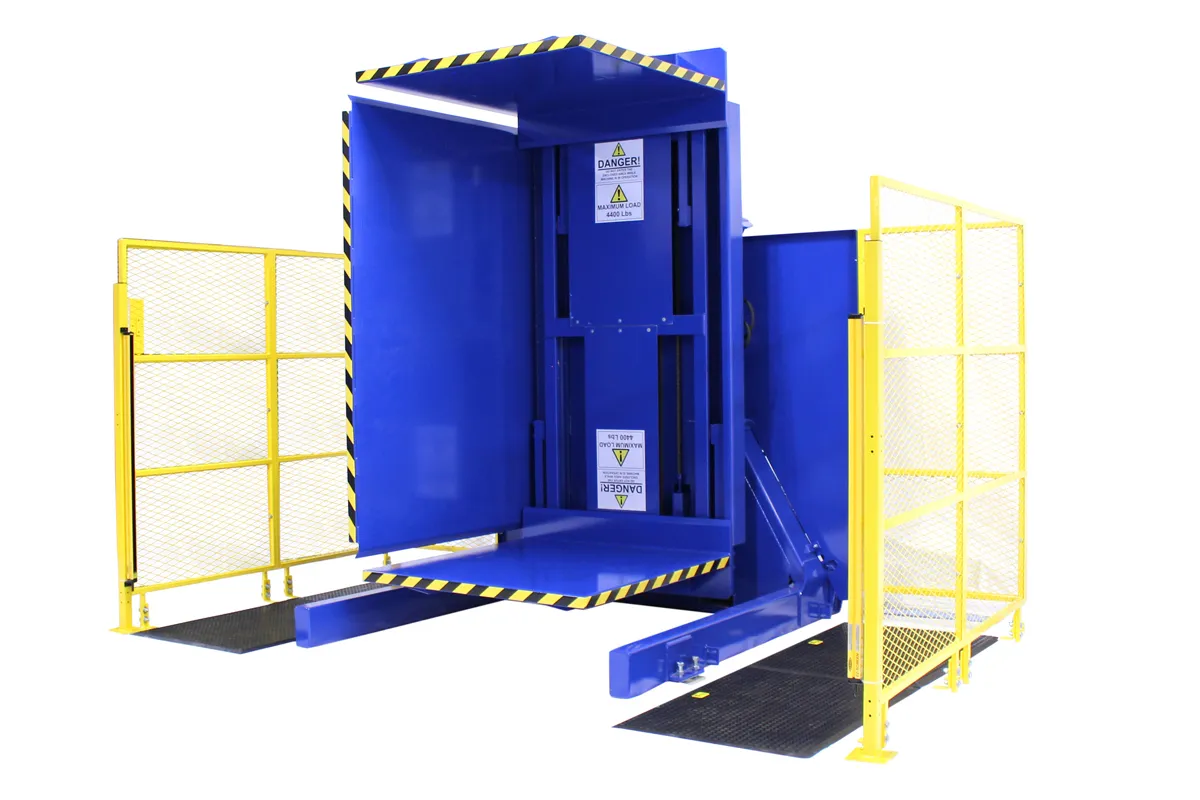
- Pallet stackers
- Pallet straighteners
- Palletizers & depalletizers
- Pallets, wood & plastic
- PLC & controls hardware
- Pneumatic components
- Racking & storage
- Receiving & shipping flow
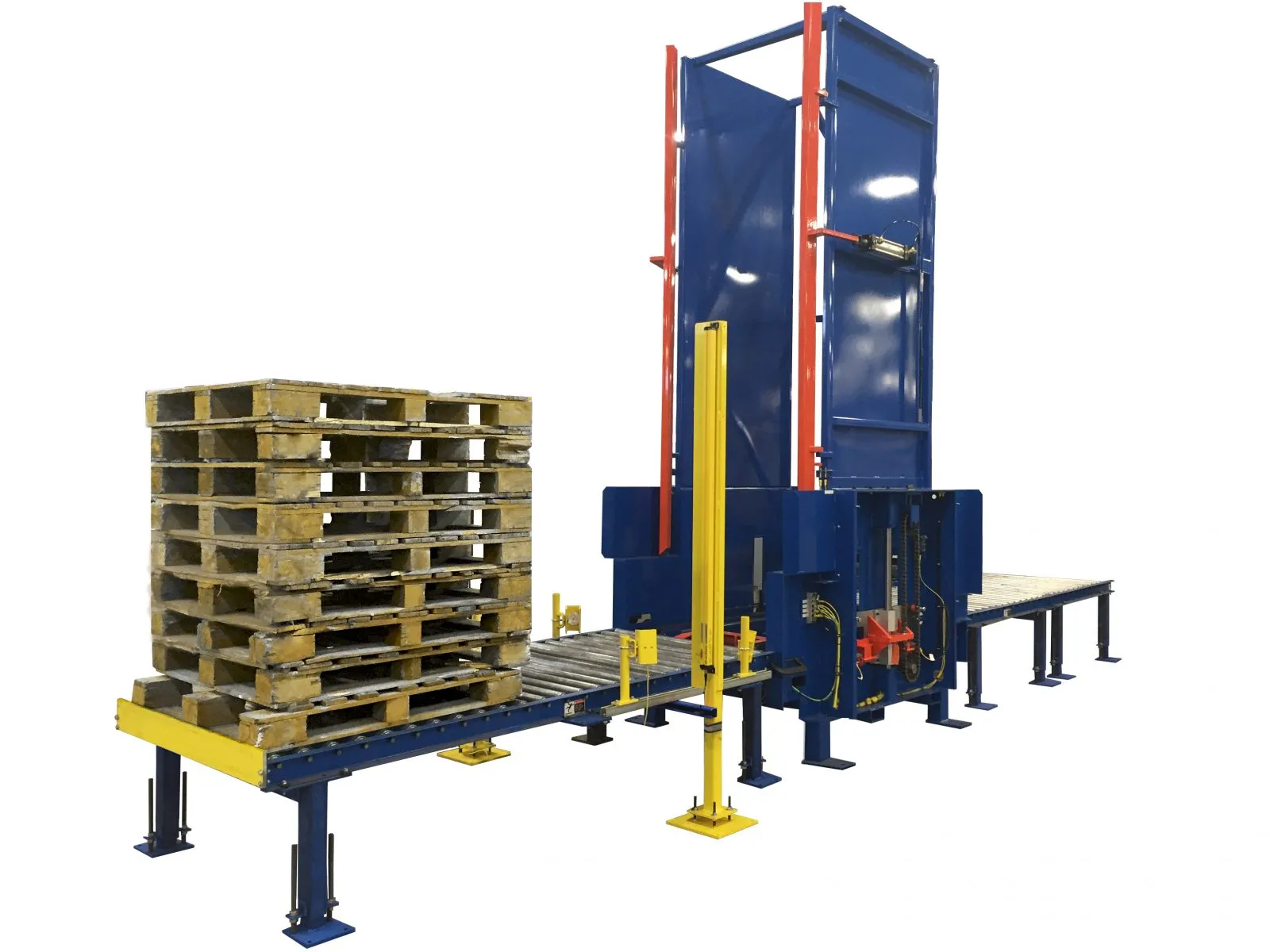
- Safety equipment
- Shuttles
- Sortation systems
- Spacer & pallet retrievers
- Stretch wrappers
- Transfer cars
- Turntables & indexers
- Upenders
- Washing equipment
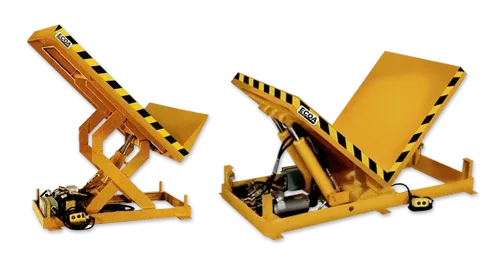
Next step
Installing new equipment or integrating a system into an existing line?
Discuss a defined project, or ask for a facility audit for a broader look at the operation.