Industry
Automation & Material Handling for 3PL & Distribution Facilities
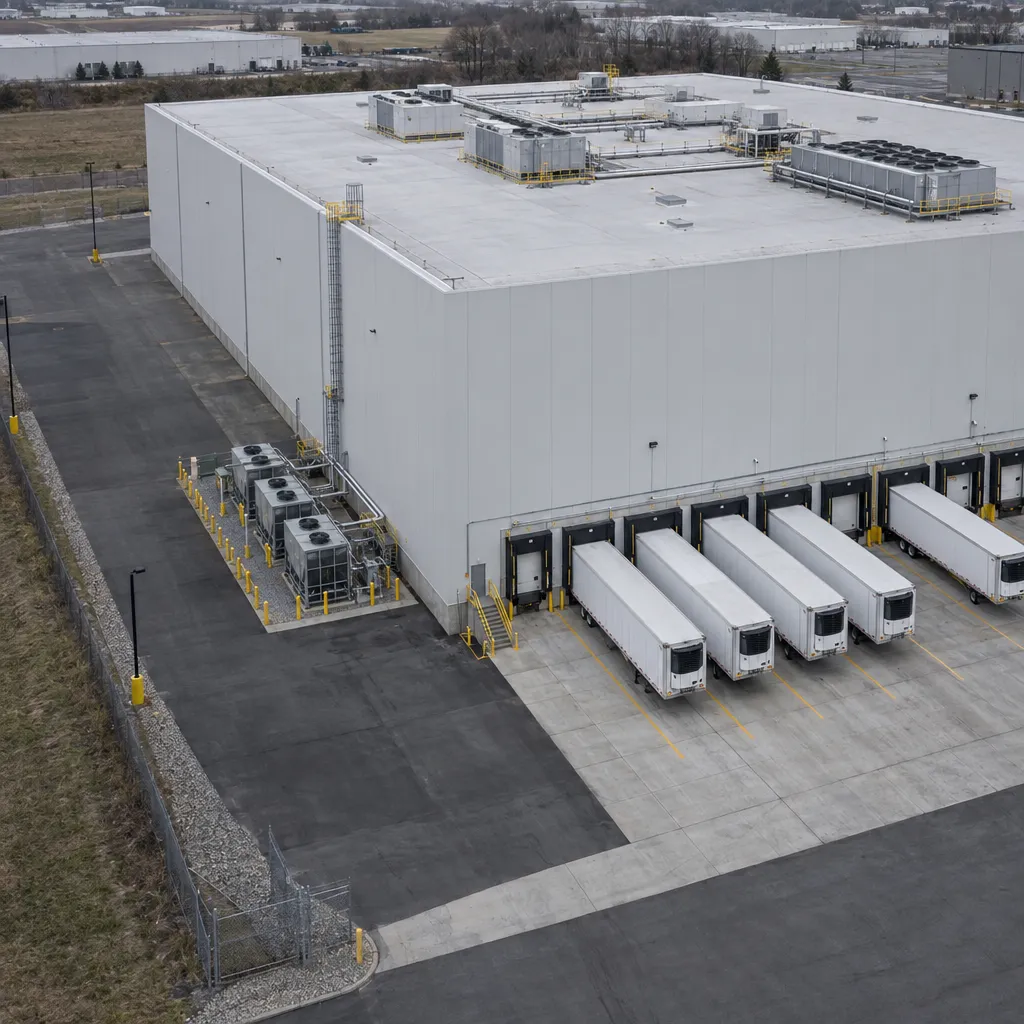
A distribution operation depends on the flow between receiving, storage, picking, handling and shipping. When one part becomes unreliable the effects spread: labor rises, product backs up, trailers wait and equipment works around a problem it was not built for.
Pressure points
Common Problems
- Recurring downtime on a critical system
- Equipment that has become difficult to maintain
- Conveyor or storage-system issues
- Receiving or shipping backups
- Integrating new equipment into an existing operation
Running Somebody Else’s Product
A third-party logistics operation stores, handles and ships product it does not own, under contracts it did not write the volumes for. The building is the product, and the customer mix inside it changes on a timescale no equipment purchase can keep up with.
That is the defining constraint. A manufacturer designs a line around one product and runs it for years. A 3PL designs a building around whatever it wins, then absorbs a new SKU profile, a new pallet spec or a seasonal peak without rebuilding.
Flexibility Against Uptime
The two pressures pull in opposite directions. Equipment has to be general enough to handle a changing mix, and reliable enough to run hard across shifts, and those are rarely the same machine.
Downtime is also contractual here rather than internal. A manufacturer losing an hour loses its own production. A 3PL losing an hour misses a service level it signed for, in front of a customer who can move the account.
Work Happens Around a Live Operation
There is no quiet season to schedule into. Most 3PL work has to be planned around running production, in windows measured in hours, with the building live on either side of it.
That changes what a good plan looks like. Sequencing, what can be pre-fabricated off site, what can be staged, and how quickly a partial install can be made safe and left overnight matter more than the total hours in the quote.
Where Steel Square Fits
Steel Square works across the equipment and disciplines that keep material moving. That can include ASRS, conveyors, pallet handling, sortation, AGV/AMR, controls, receiving and shipping flow, dock material flow, parts, repairs, preventive maintenance and modernization. The starting point can be a single machine, an obvious bottleneck or a broader facility review.
Common Problems
Common triggers include recurring downtime, equipment that has become difficult to maintain, aging controls, conveyor or storage-system issues, pallet-handling problems, receiving or shipping backups, dock flow, parts availability and the need to integrate new equipment into an existing operation.
Project Work
For new or changing systems, Steel Square can support engineering and system design, equipment sourcing, installation, controls and electrical integration, millwright and rigging, fabrication, commissioning and startup where the project requires those disciplines.
Existing Equipment
For systems already in place, Steel Square can support repair and troubleshooting, preventive maintenance, parts, modernization, legacy equipment and after-hours breakdown needs without assuming that replacement is automatically the right answer.
Systems in 3PL & Distribution
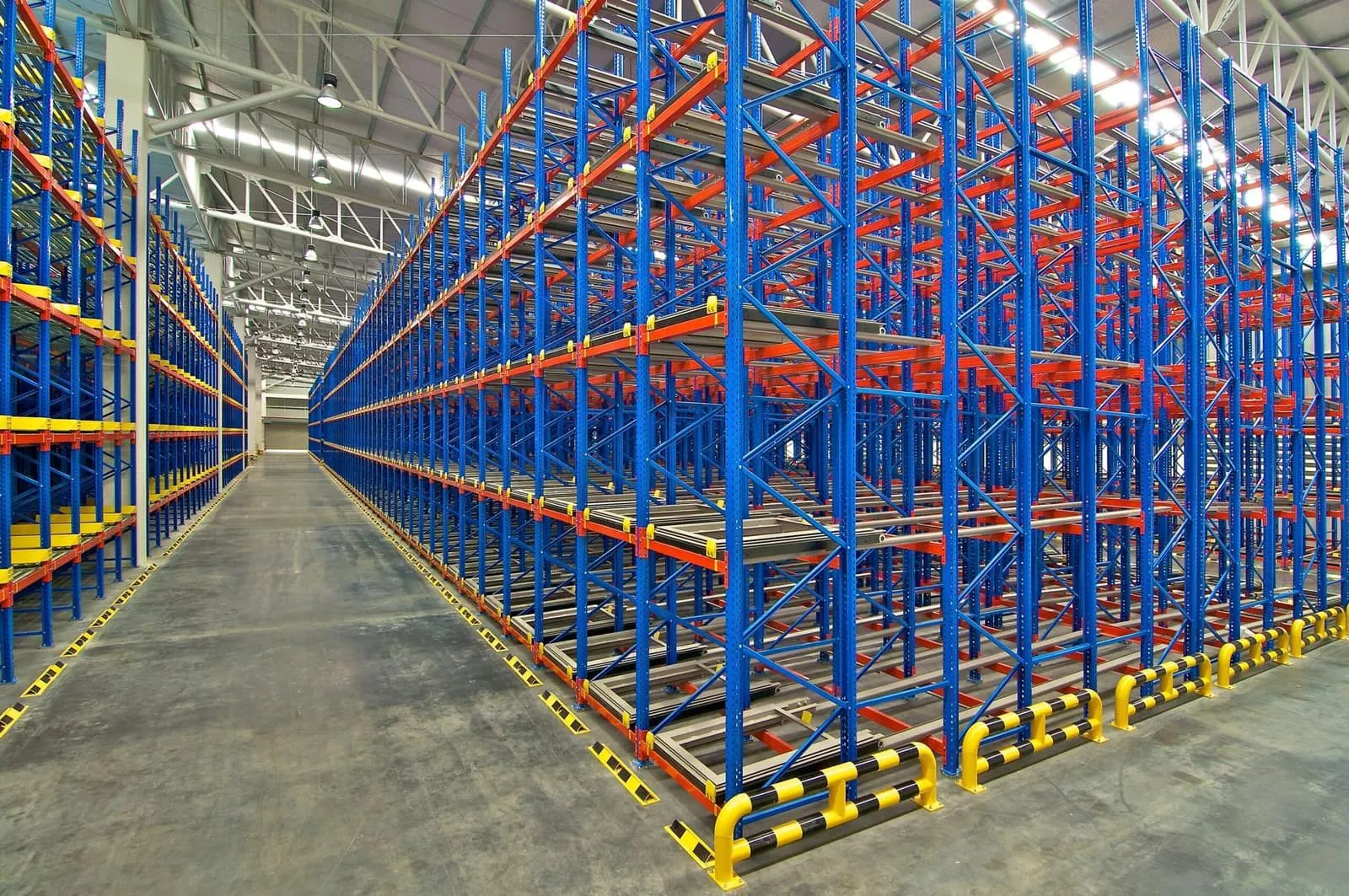
- ASRS & Automated StorageIntegration, repair, retrofit, controls and lifecycle support for automated storage systems.
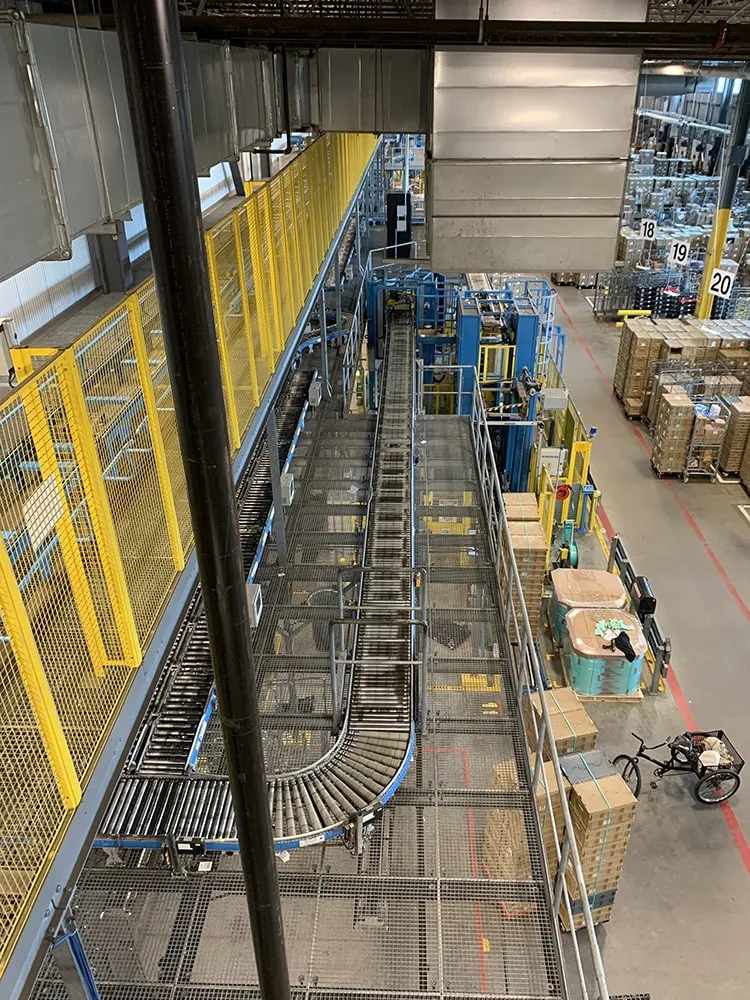
- Conveyor & Material FlowEquipment, controls and process improvements for moving cases, totes, carts and pallets through the facility.
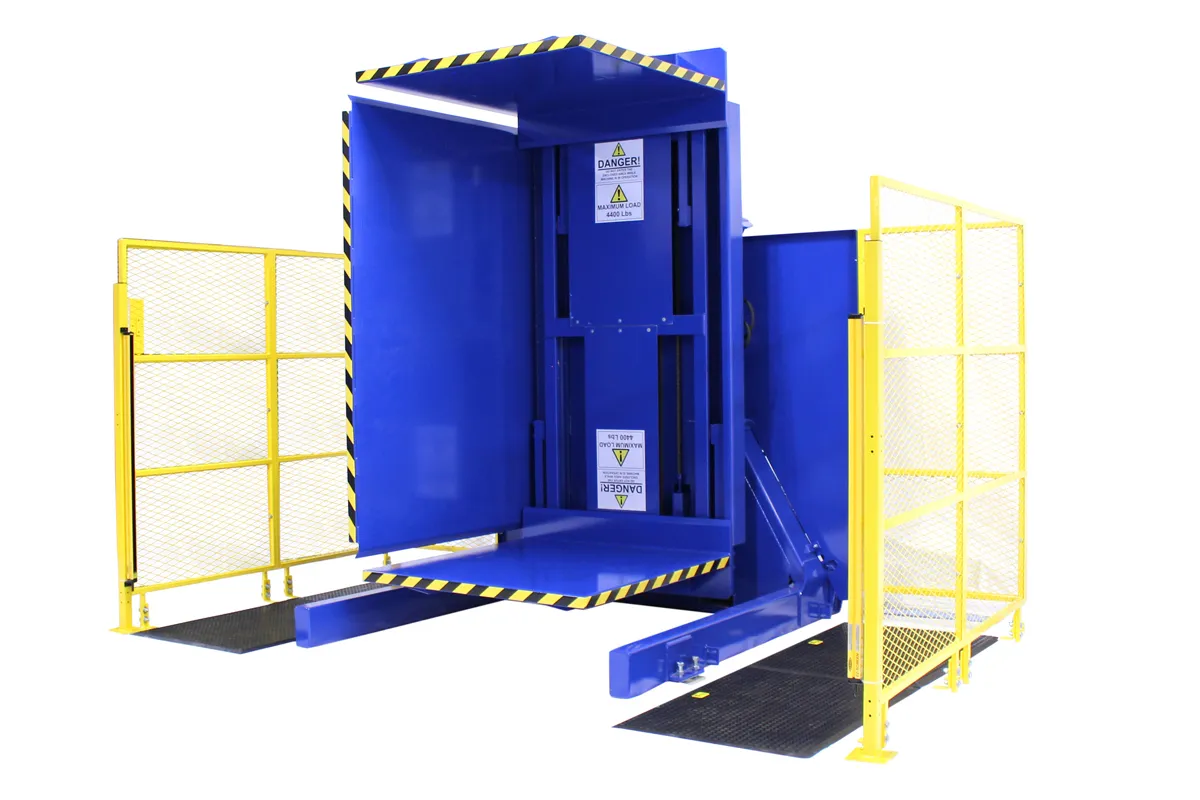
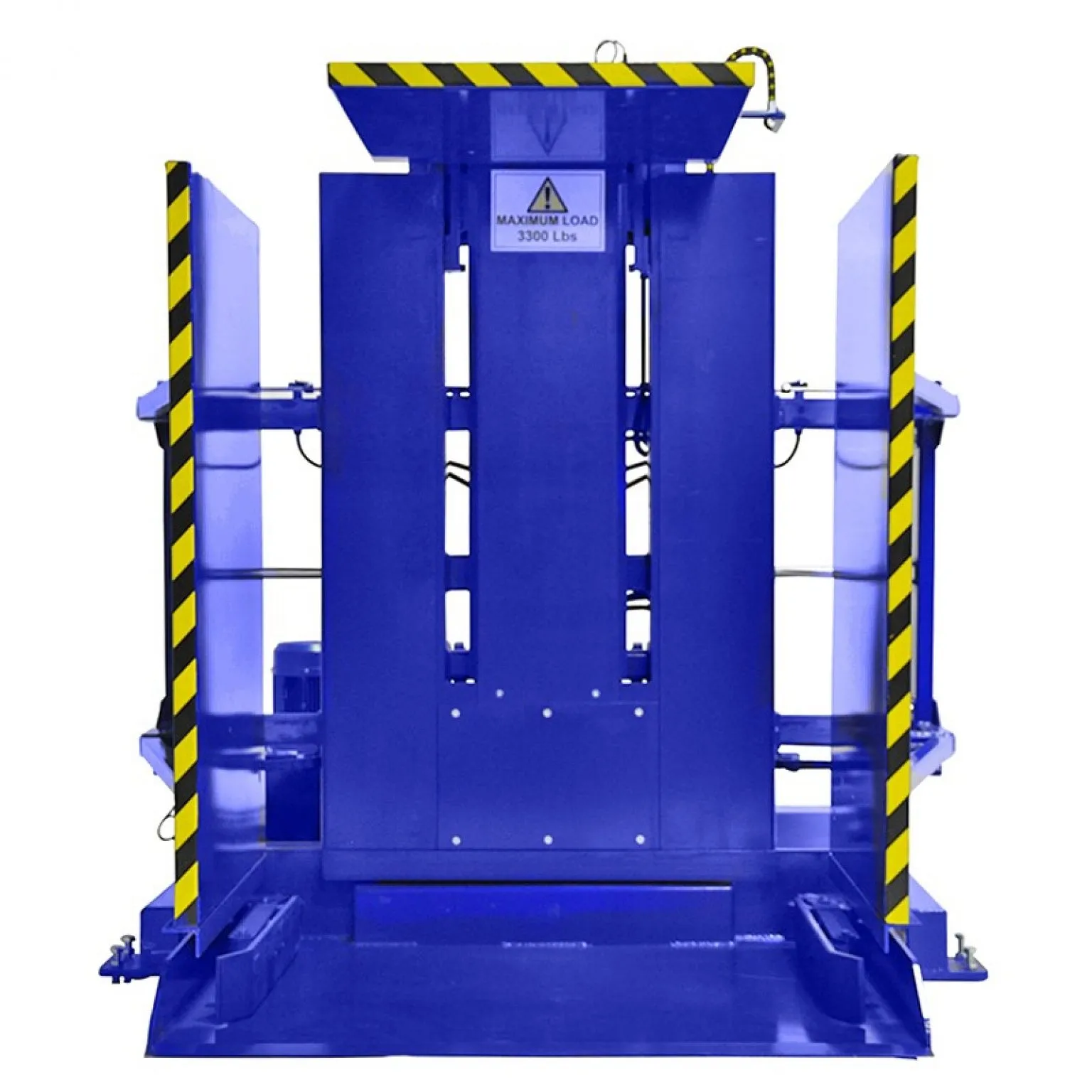
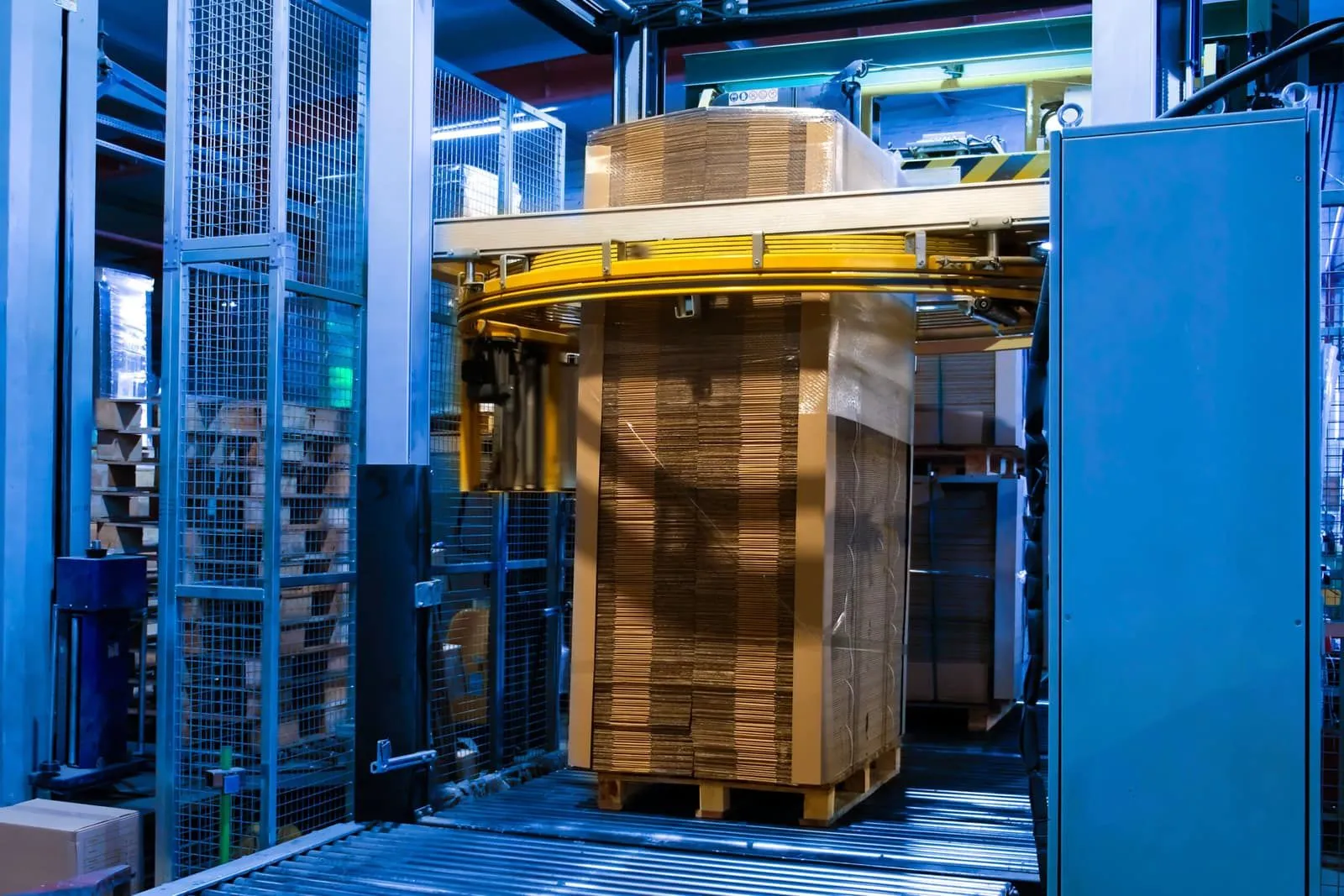
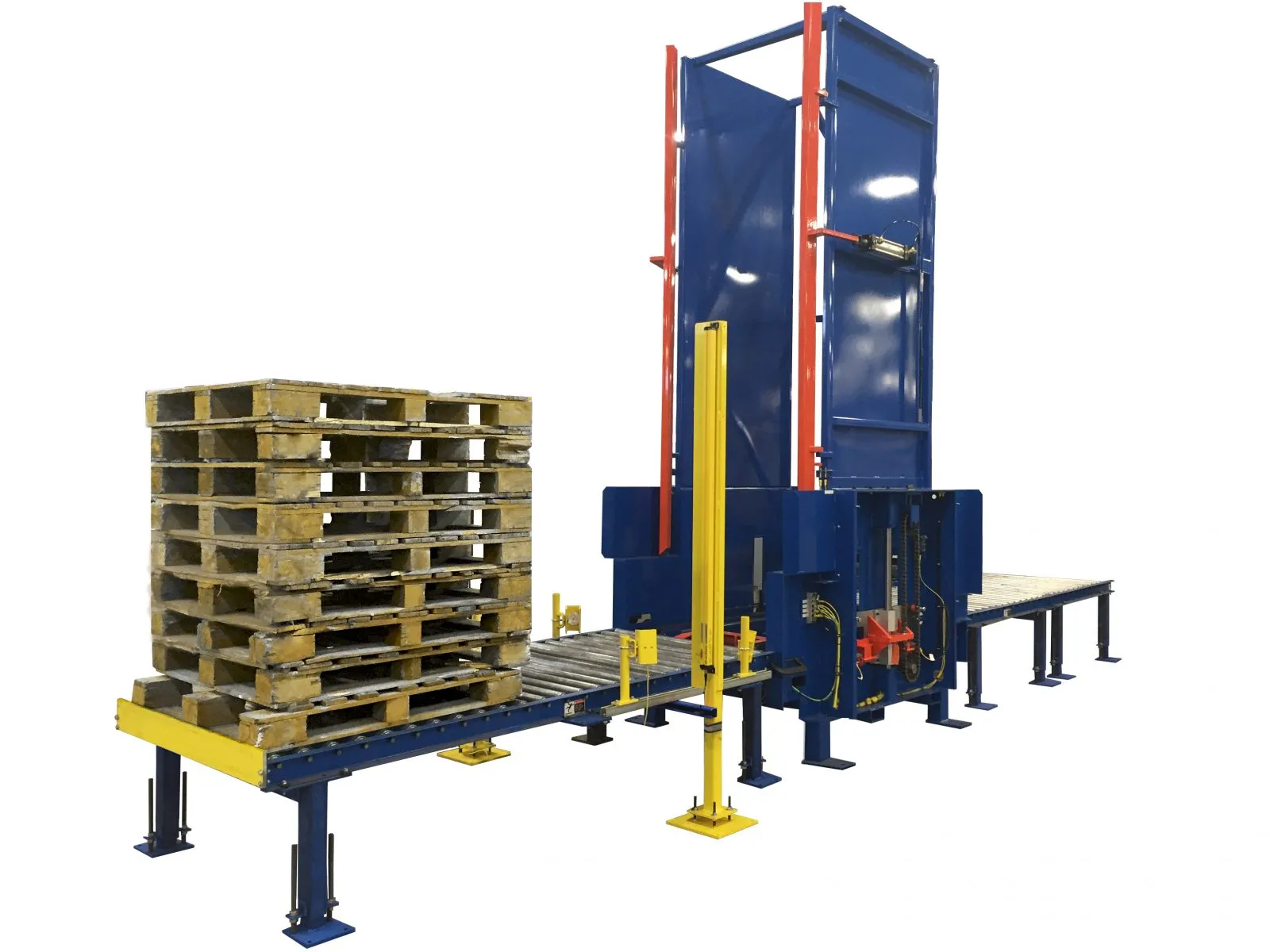
- Pallet Handling & End-of-LinePallet inverters, load transfer, stretch wrapping, palletizing and connected end-of-line equipment.
- Industrial Controls & ElectricalPLC, HMI, panels, sensors, electrical integration, troubleshooting and modernization.
- Robotics, Sortation & AGV/AMRAutomated handling, mobile automation and sortation integrated into the operation around them.
Project work
- Engineering & System DesignConcept, layout and system design for new and changing equipment.
- Installation & IntegrationSet, assemble, connect and launch new equipment into an existing operation.
- Controls & Electrical IntegrationPLC, HMI, panels, handshakes and terminations for new and existing equipment.
- Millwright & RiggingRigging, placement, anchoring and precision alignment for heavy equipment.
- Commissioning & StartupSensor commissioning, testing, startup and live-operation monitoring.
Service & Support for Existing Equipment
- Repair & TroubleshootingTroubleshoot the failure across trades and perform the corrective work.
- Preventive MaintenanceInspection, service and lifecycle work planned around production.
- Equipment & Parts SupplySourcing equipment and hard-to-find parts for installed systems.
- Modernization & RetrofitsModernize aging equipment and controls instead of replacing outright.
- Aging / Obsolete EquipmentKeep aging and obsolete equipment running, or plan the path off it.
- Emergency / After-Hours SupportResponse to breakdowns outside normal hours, confirmed per situation.
Next step
Bring the Problem to Steel Square
If you already have a defined project, discuss the project. If you want a broader look at the operation, ask for a facility audit.