
Project Execution
Industrial Millwright & Rigging
Steel Square can move, set, align, decommission, reinstall and modify industrial equipment as part of an installation, relocation, repair or larger integration project.
The trigger
Millwright & Rigging Scope
- Heavy equipment has to be moved, set or aligned
- Existing assets need decommissioning or removal
- A machine needs precise placement and anchoring
- A move is part of a larger install or relocation
The Millwright & Rigging Trade
A millwright installs, aligns, maintains and dismantles industrial machinery. Rigging is the part of that work concerned with lifting and moving the load: choosing the attachment points, sizing the slings and lifting equipment, and controlling the machine through the whole path from where it sits to where it lands.
The two travel together because setting a machine is one continuous job with two different standards of success. Rigging is judged on the load path. Millwright work is judged on the tolerance the machine holds afterward. A lift can go perfectly and still leave a machine that fails in six months.
Rigging Methods & Lifting Equipment
Which method fits a given machine depends on its weight, the headroom above it, the floor under it and how far it has to travel.
Overhead picks use lifting capacity the building already has. Bridge cranes cover a rectangular bay, monorails follow a fixed path and jib cranes serve a radius around a single column, so the crane type in the building decides what can be picked and where it can be set down.
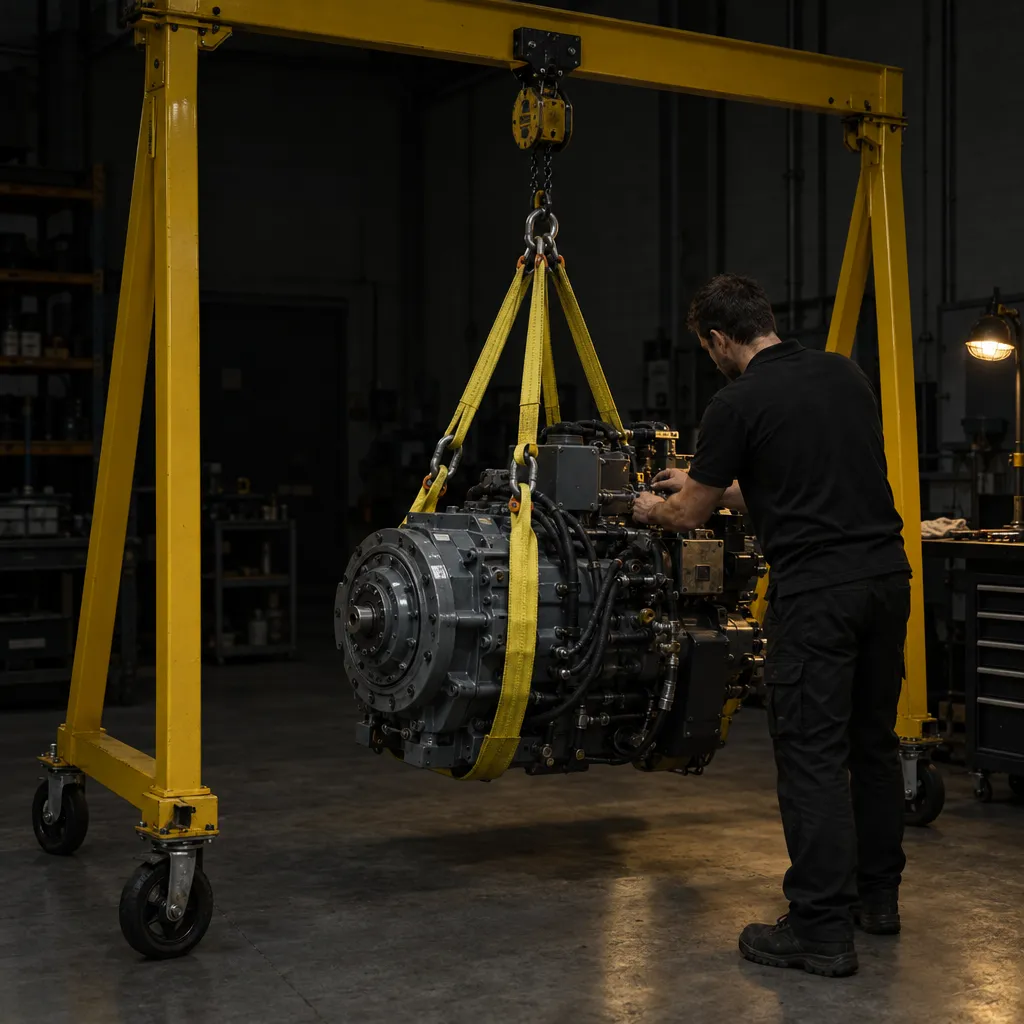
A hydraulic gantry is the answer when there is no overhead steel, or when the load is heavier than the building’s rating. It brings its own lifting structure to the machine and walks the load along a track.
Machine skates and rollers move heavy equipment across a floor rather than through the air, which is often the lower-risk option inside an operating plant. Air casters do the same on smooth sealed floors and spread the load over a wider footprint, which matters on slabs that cannot take a point load.
Sling angle is the detail that catches people. Two slings at a shallow angle each carry considerably more tension than half the load weight, because tension climbs as the angle to horizontal falls. Spreader beams exist to keep that angle steep and to keep compression out of the machine frame.
Leveling, Alignment & Anchoring
Three separate operations that often get collapsed into one word.
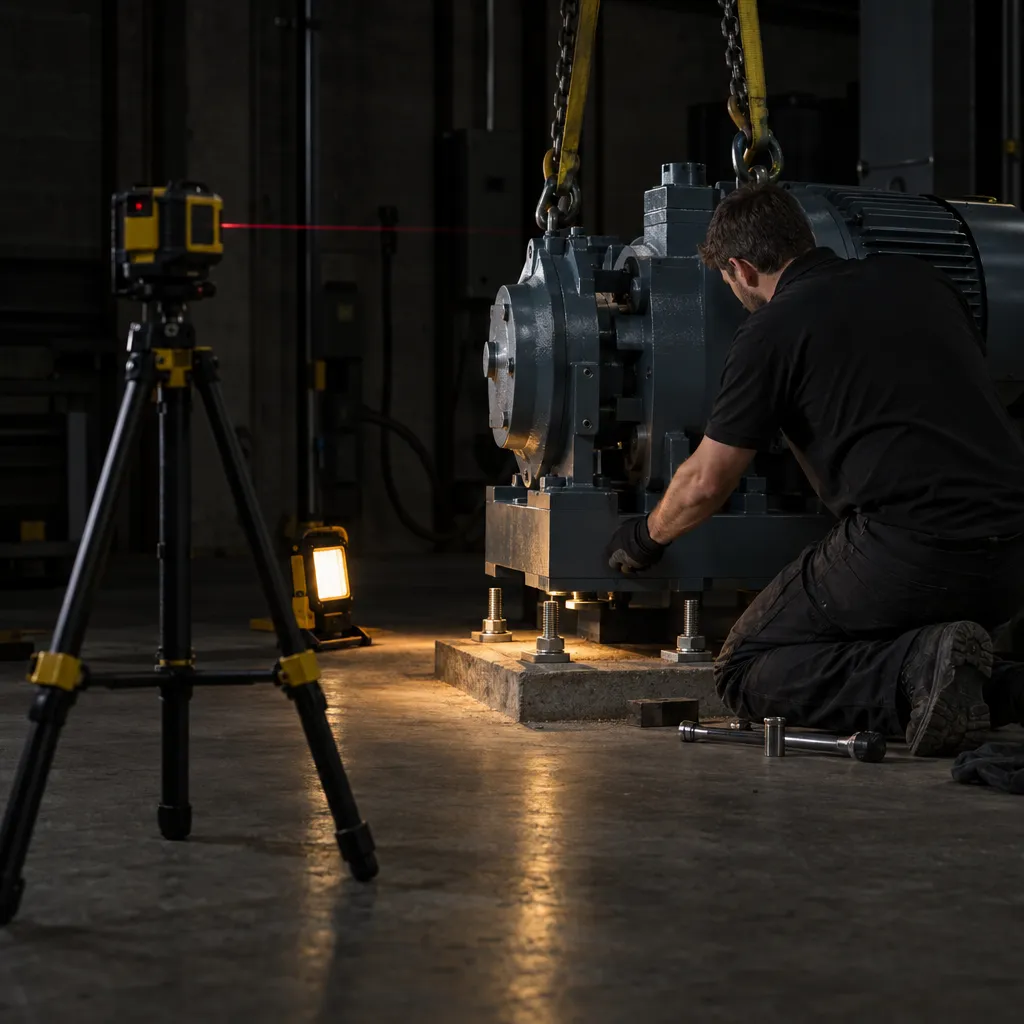
Leveling sets the machine flat and stable on its feet or its baseplate, checked with a precision level rather than by eye. Soft foot, where one foot is not carrying its share, distorts the frame as soon as the bolts are pulled down and will not resolve itself later.
Alignment is the relationship between coupled rotating shafts. Misalignment comes in two forms, angular where the shafts meet at an angle and offset where they run parallel but not concentric, and a coupling can hide both while transmitting the load. Laser alignment reads both at once and to a tighter tolerance than dial indicators or a straightedge.
Anchoring fixes the result. Mechanical wedge anchors and chemical or epoxy anchors behave differently in cracked concrete, at close edge distances and under vibration, and grout under a baseplate is what turns a machine and a floor into one mass rather than two.
Why Alignment Tolerance Is Worth Paying For
Misalignment does not stop a machine on the day it is set. That is what makes it expensive.
It shows up later as bearing temperature, coupling wear, seal leaks and vibration that travels into everything bolted nearby. The failure gets logged as a bearing failure, the bearing gets replaced, and the same bearing fails again because the cause was never the bearing. A machine set to tolerance and anchored properly is the difference between an install that is finished and one that comes back.
Steel Square Scope
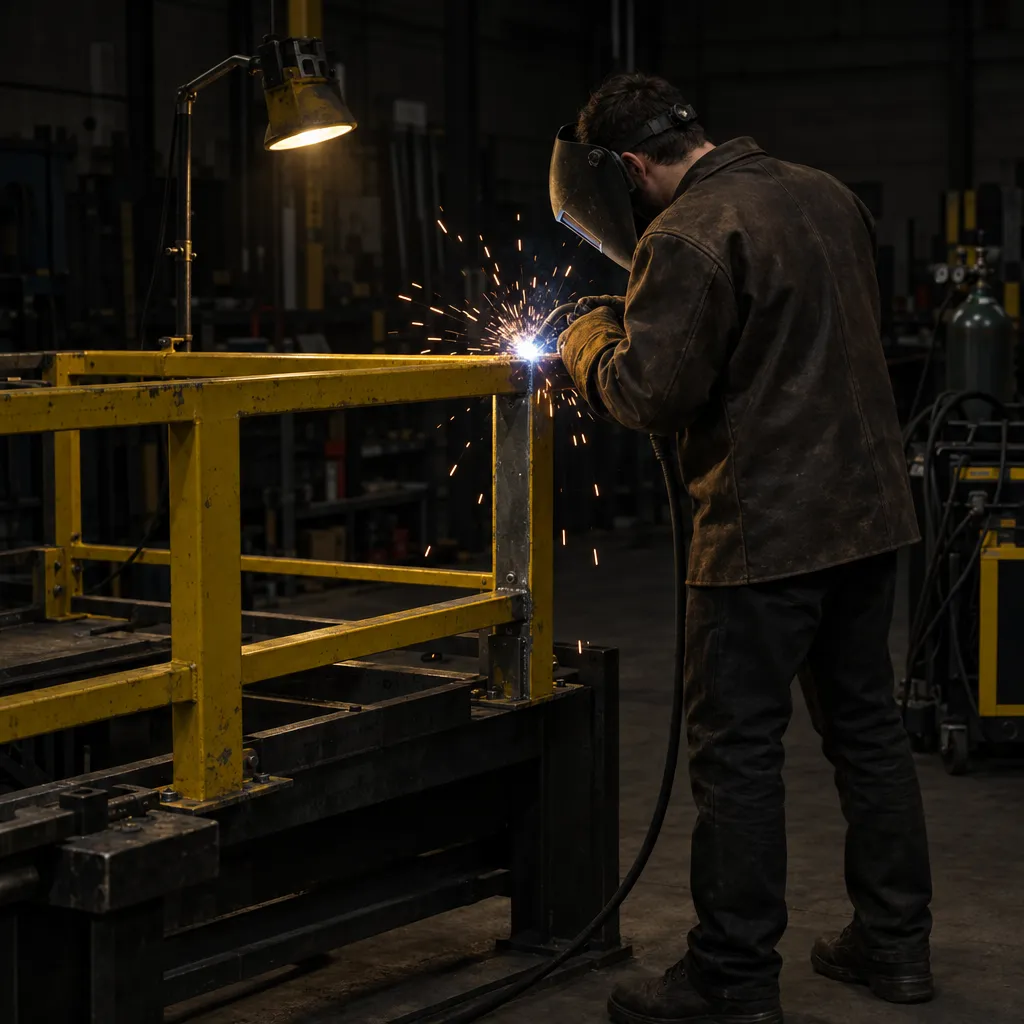
Steel Square can carry out site evaluations, rigging, machinery assembly and installation, precision machine leveling and precision laser alignment, machinery moving, overhaul, rebuilds and refurbishment, equipment retrofits and tie-ins, steel erection, and the installation and relocation of overhead cranes, monorails, jib cranes, mezzanine decks and platforms.
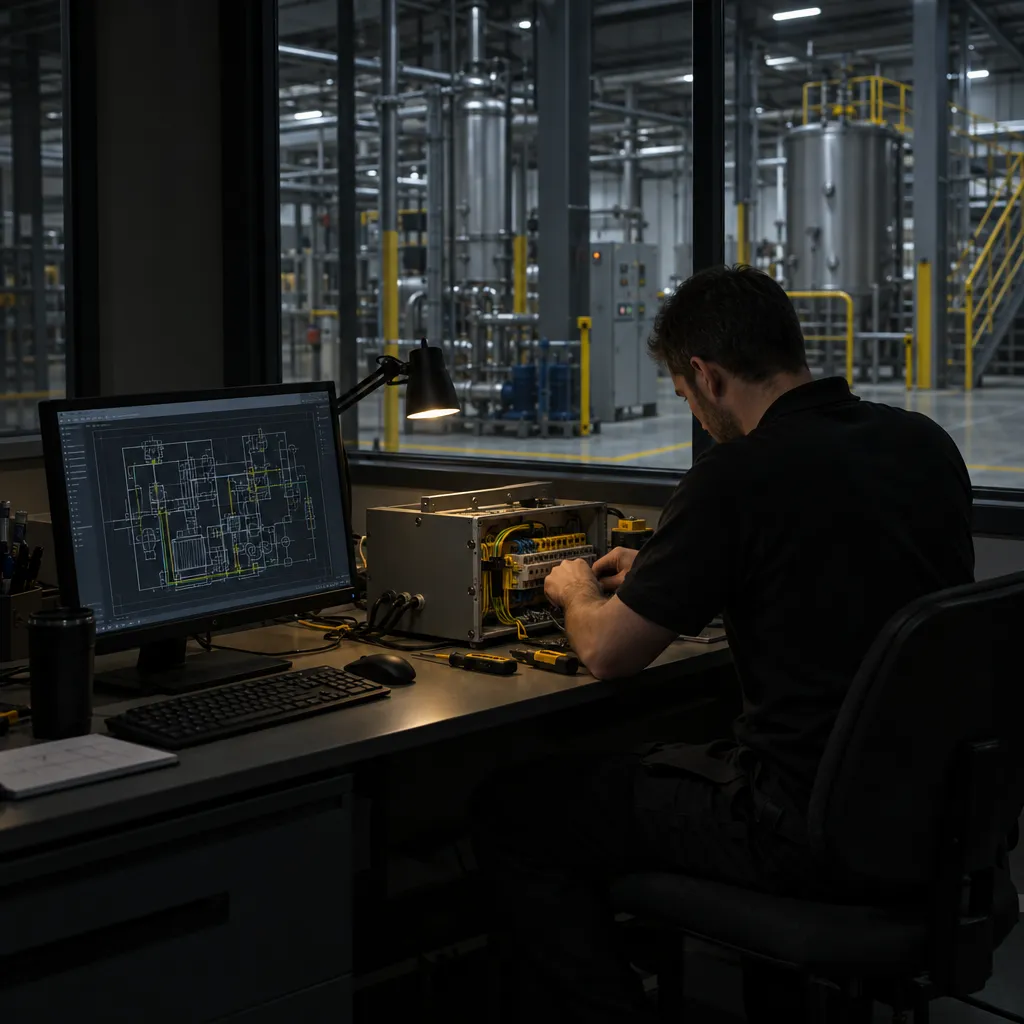
The physical move is often only one part of the job. Steel Square can connect rigging and millwright work to controls, electrical, fabrication, installation and startup where the project requires it.
Systems Covered by This Discipline
- ASRS & Automated StorageIntegration, repair, retrofit, controls and lifecycle support for automated storage systems.
- Pallet Handling & End-of-LinePallet inverters, load transfer, stretch wrapping, palletizing and connected end-of-line equipment.
- Conveyor & Material FlowEquipment, controls and process improvements for moving cases, totes, carts and pallets through the facility.
Connected disciplines
Equipment Integrated
- AGV & AMR fleets
- Accumulation conveyor
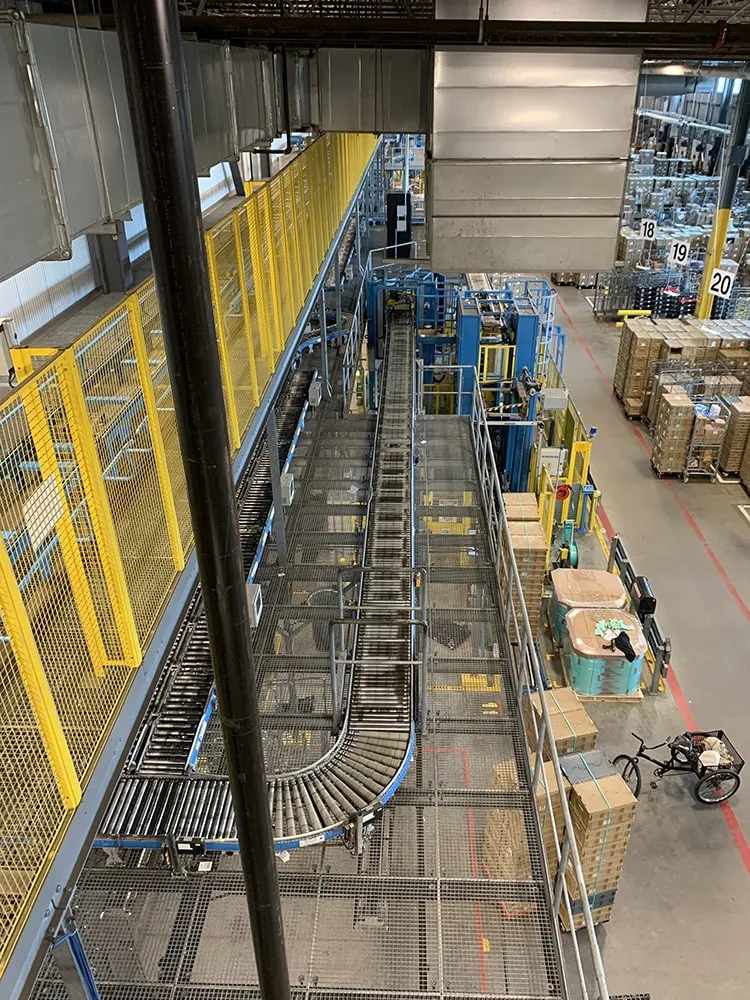
- ASRS cranes
- Automated picking & dispensing
- Bearings & rollers
- Bollards & barriers
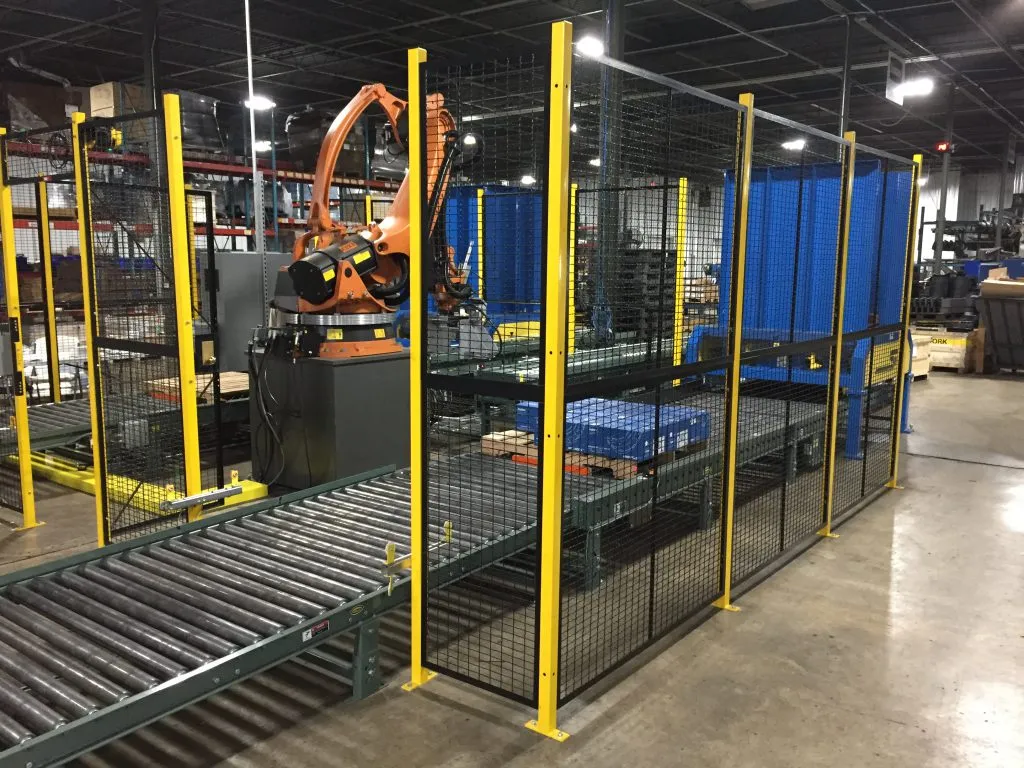
- Cable carriers
- Carousels
- Cart-loading & carriage systems
- Conveyor systems
- Diverters & mergers
- Dock & material flow
- Dumpers & tippers
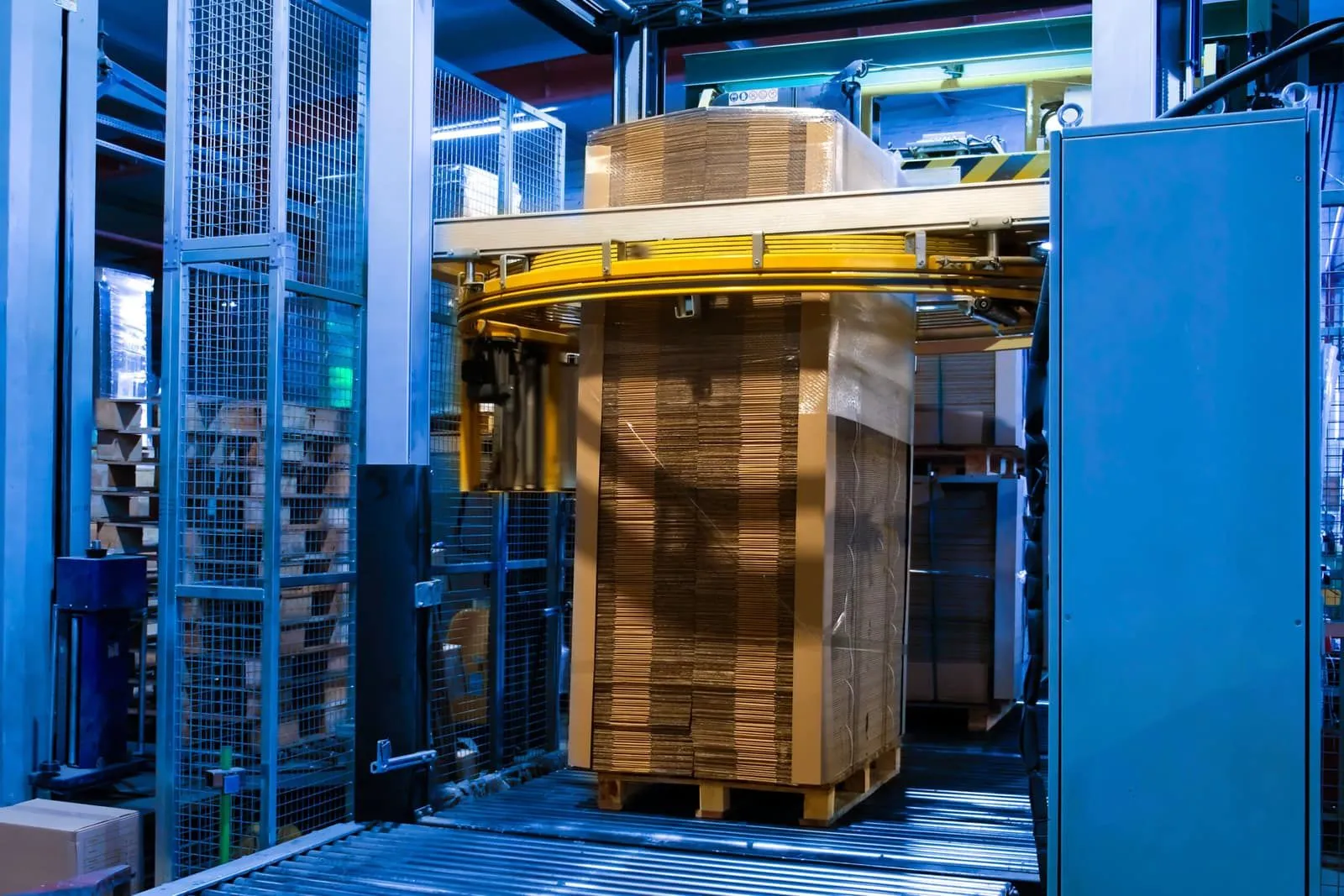
- Freezer spacers
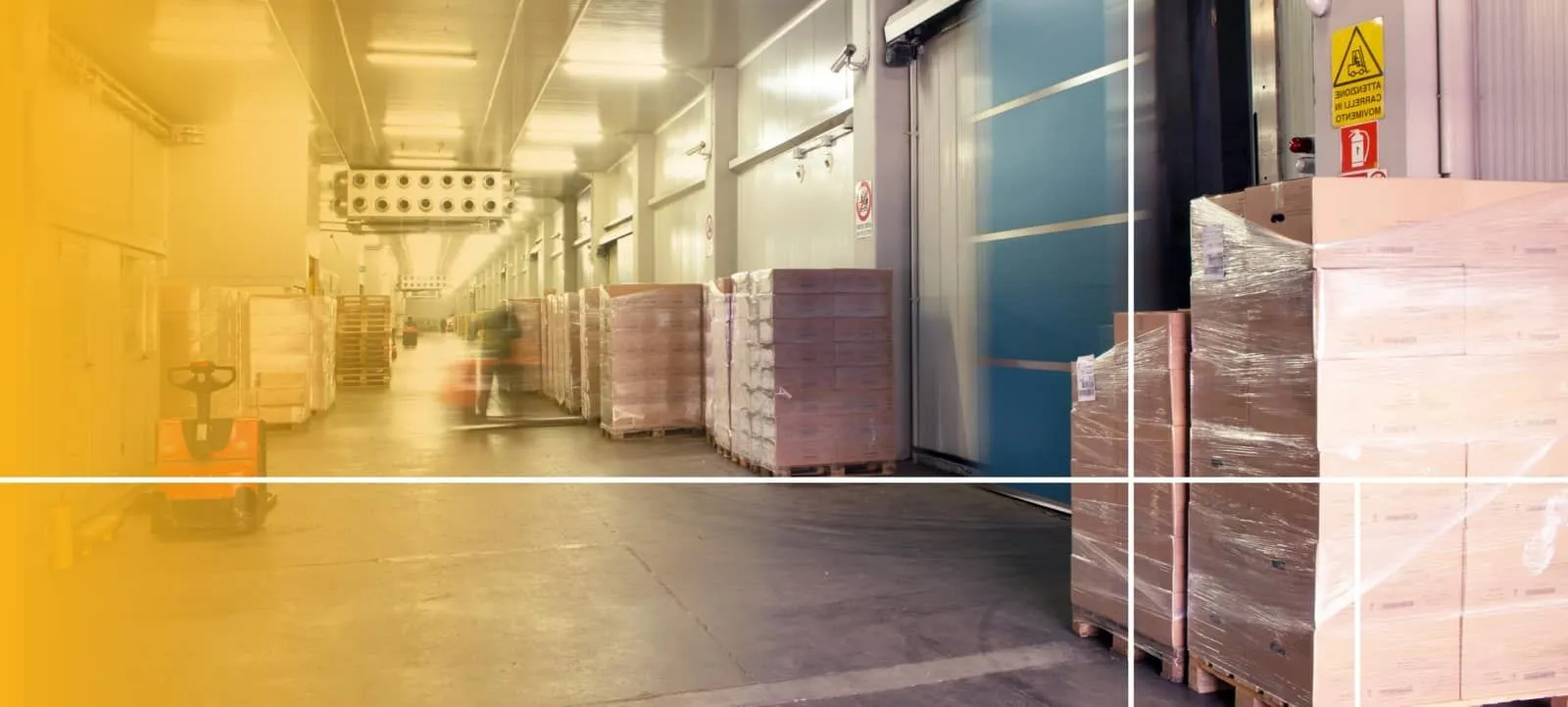
- Guarding & fencing
- HMI & operator interfaces
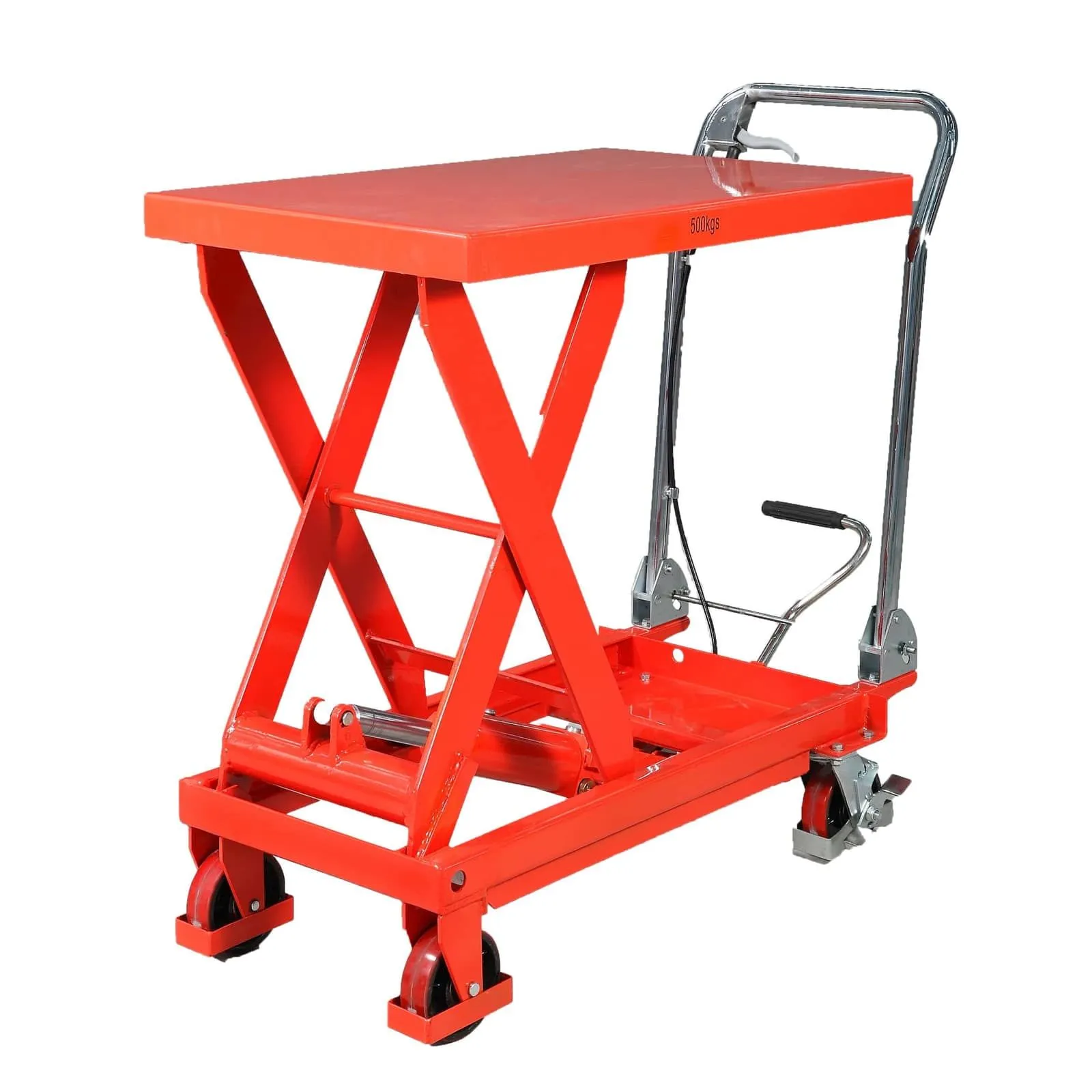
- Industrial control panels
- Lift tables
- Load transfer systems
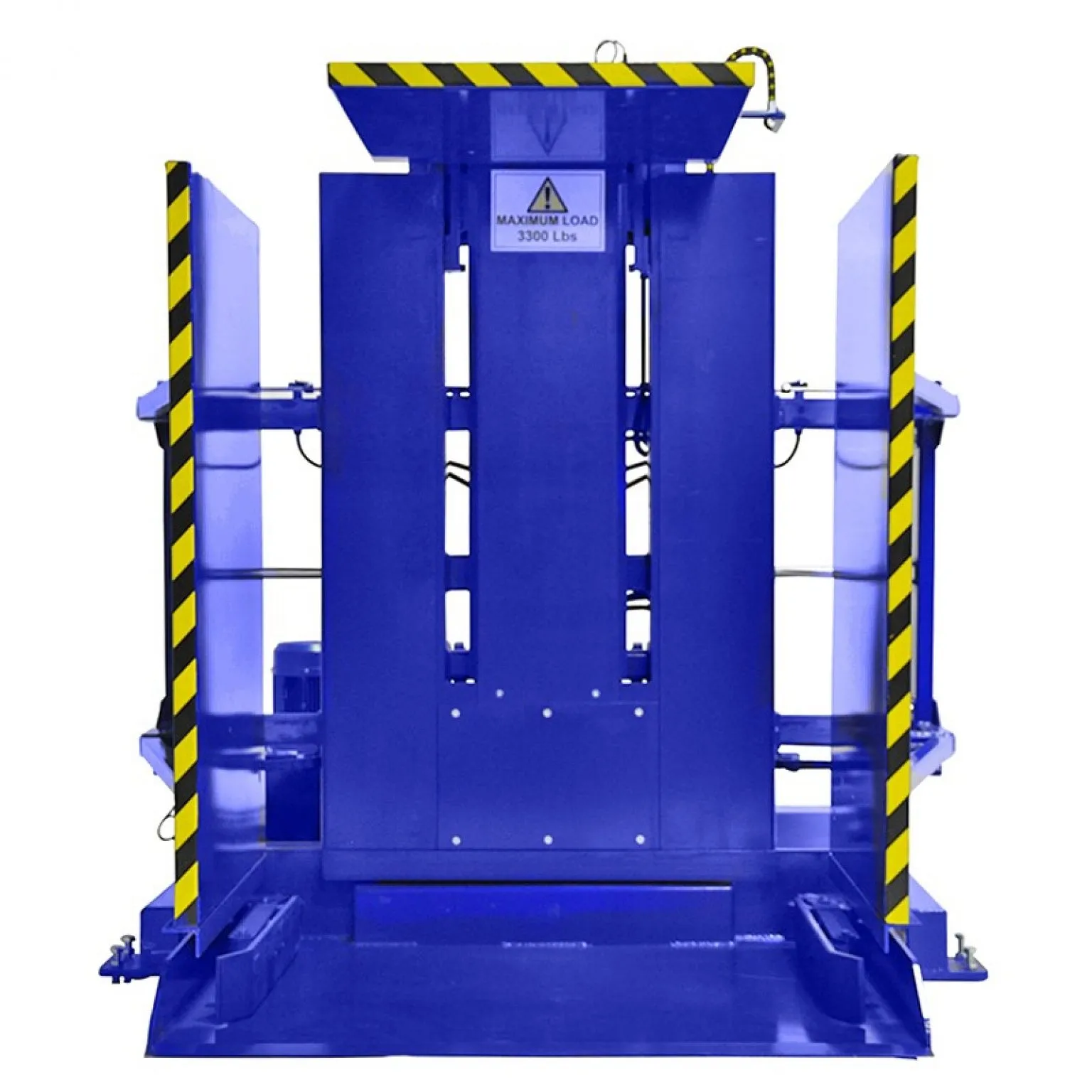
- Mezzanines & platforms
- Mini-load ASRS & AKL
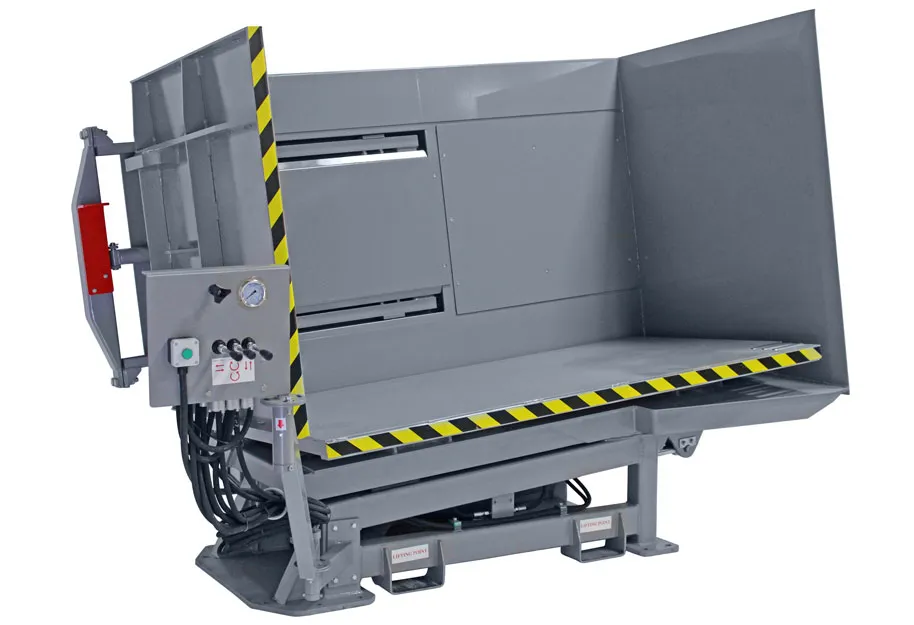
- Pallet changers
- Pallet dispensers
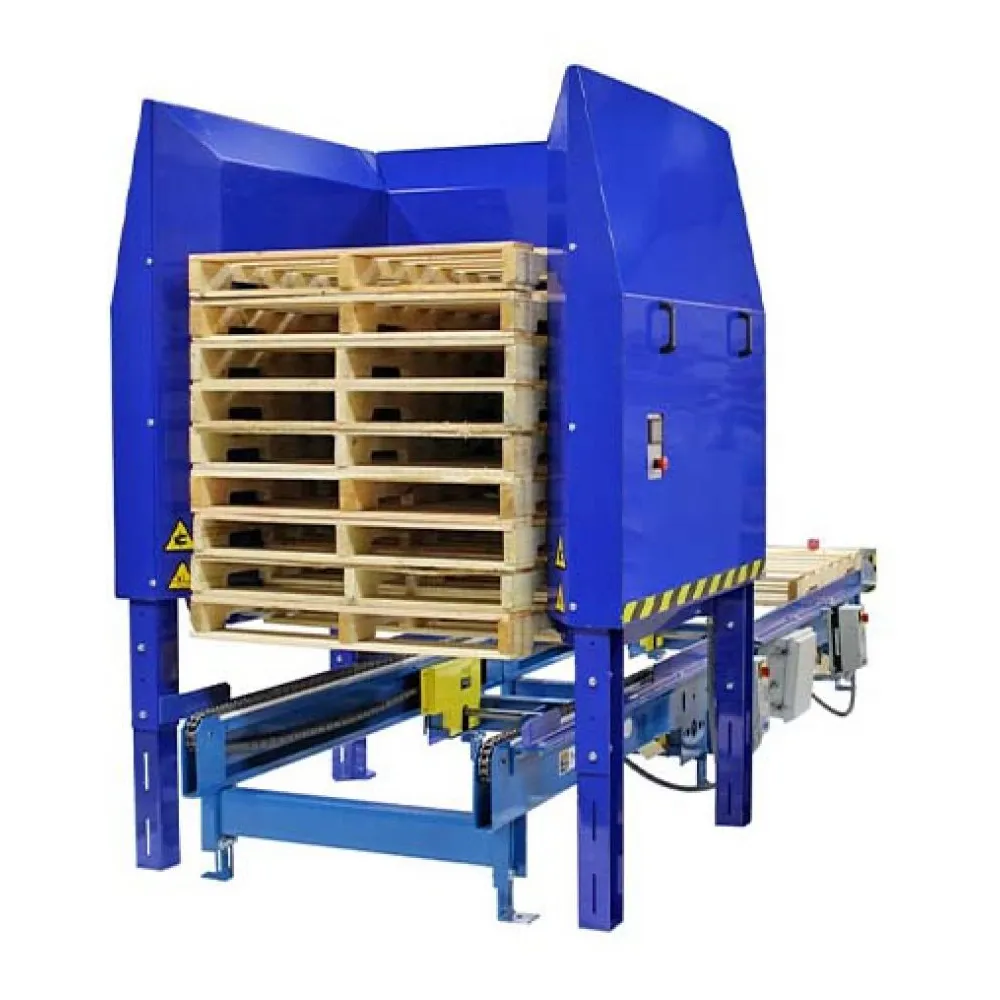
- Pallet inverters
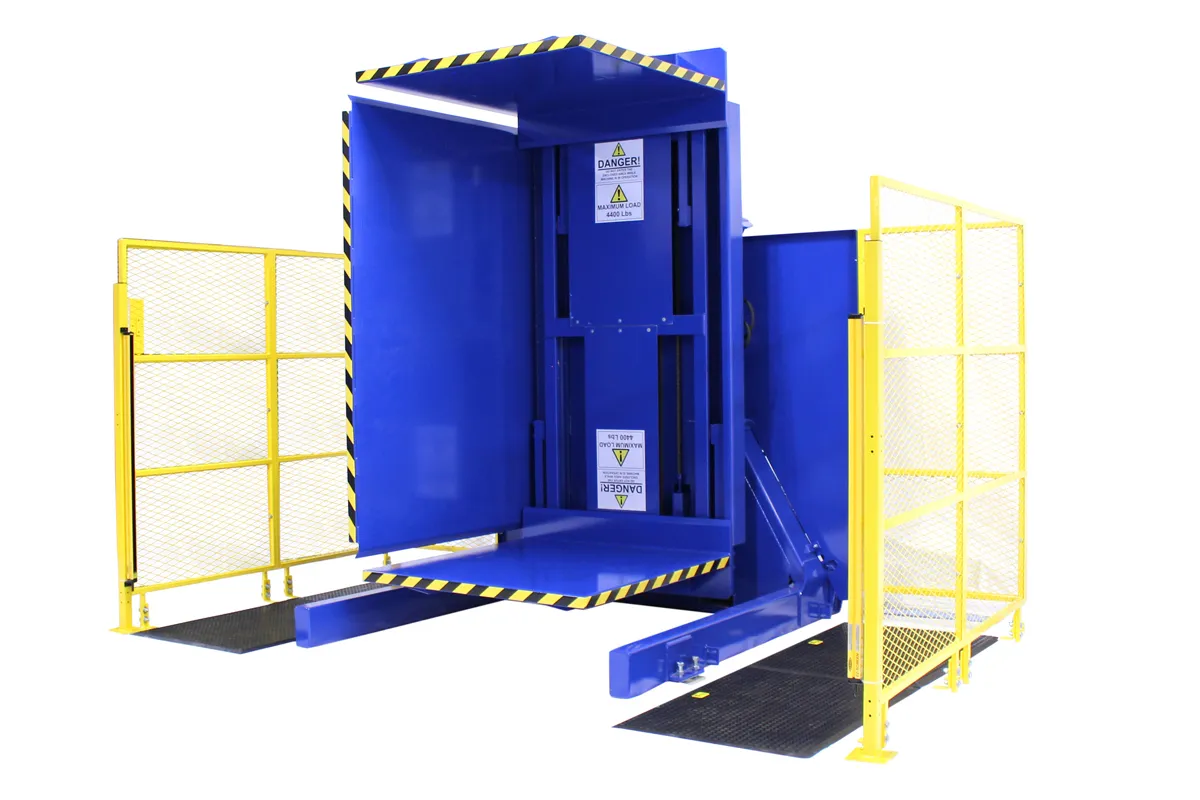
- Pallet stackers
- Pallet straighteners
- Palletizers & depalletizers
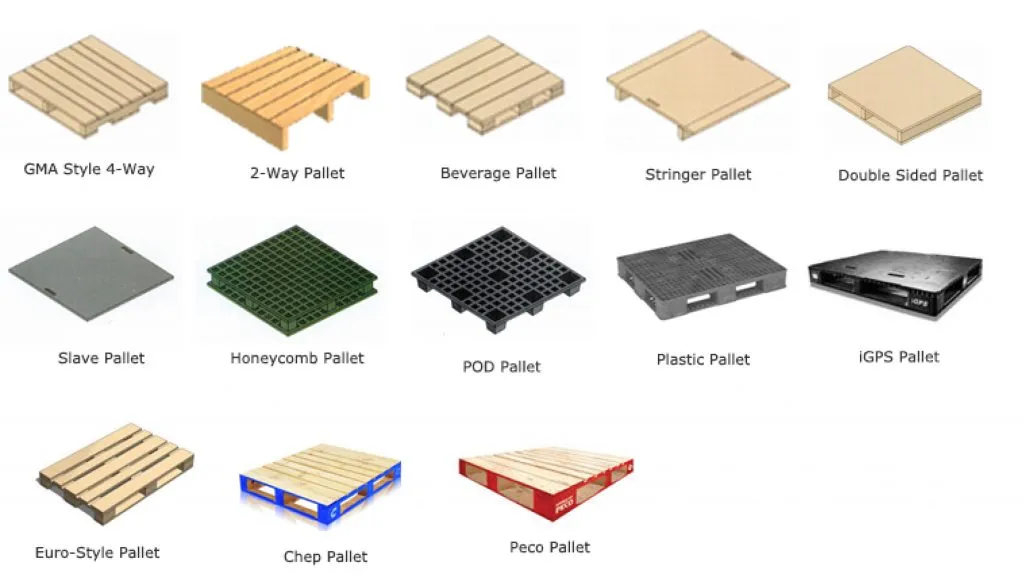
- Pallets, wood & plastic
- PLC & controls hardware
- Pneumatic components
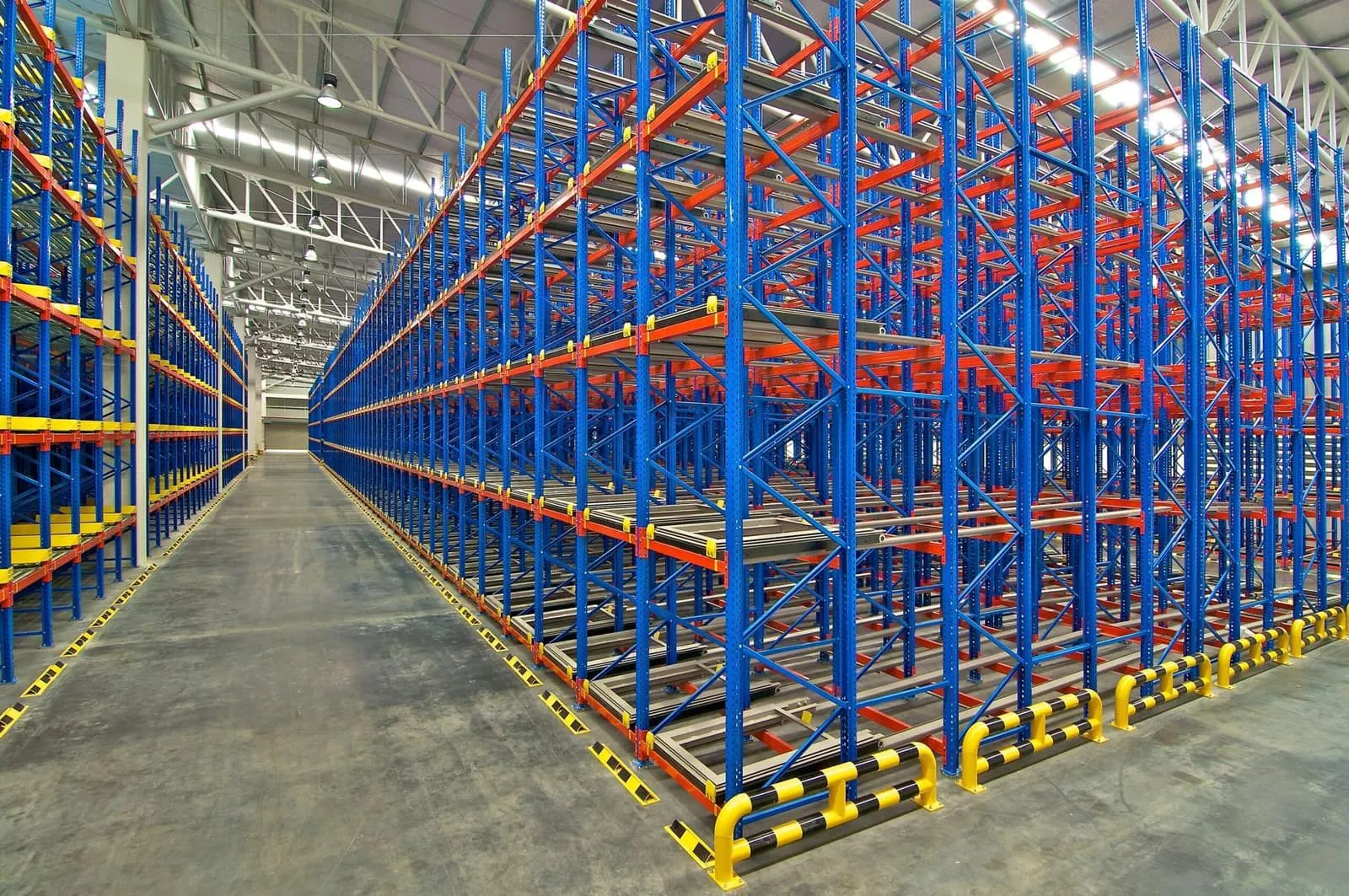
- Racking & storage
- Receiving & shipping flow
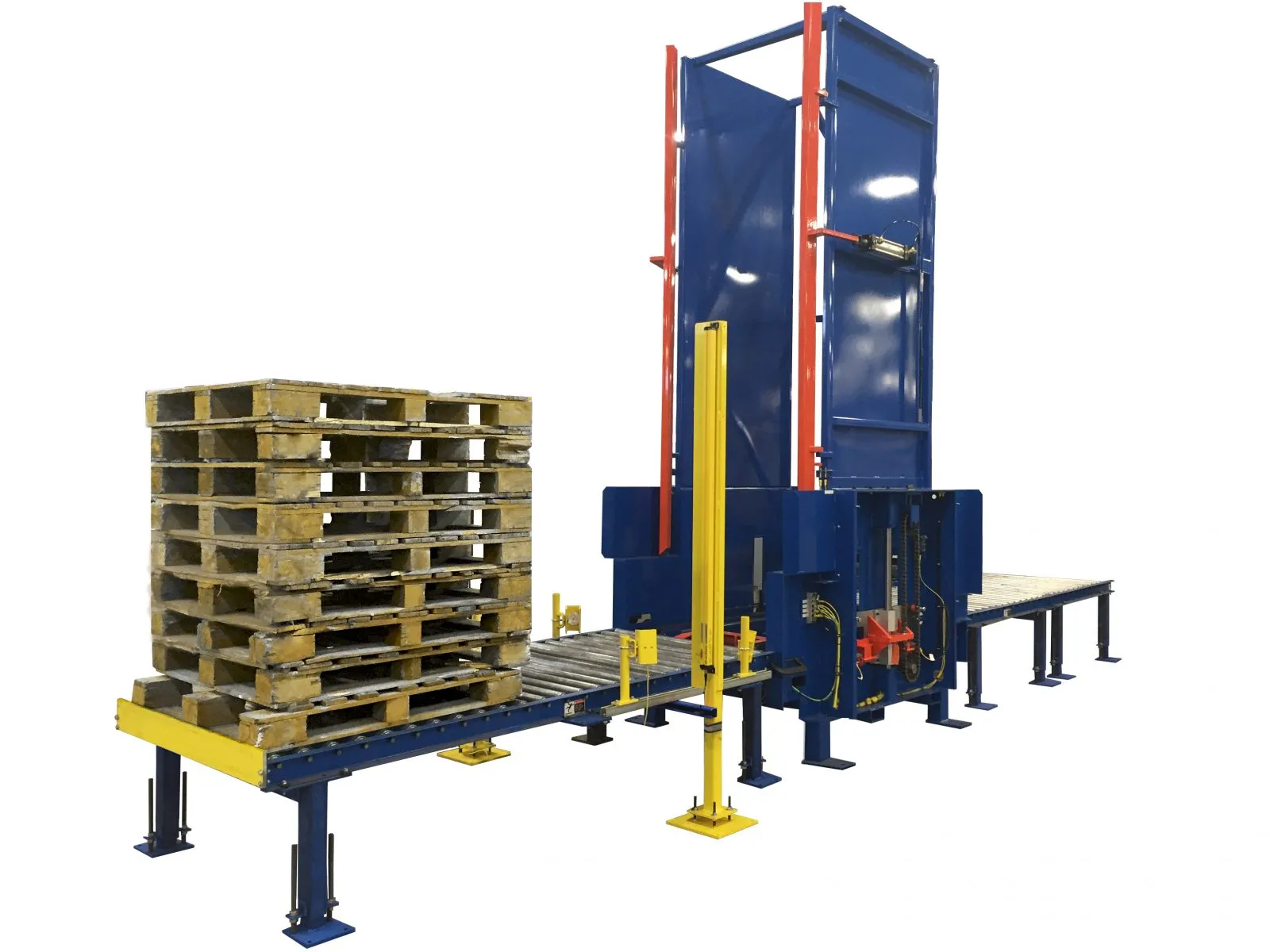
- Safety equipment
- Shuttles
- Sortation systems
- Spacer & pallet retrievers
- Stretch wrappers
- Transfer cars
- Turntables & indexers
- Upenders
- Washing equipment
Next step
Installing new equipment or integrating a system into an existing line?
Discuss a defined project, or ask for a facility audit for a broader look at the operation.